
Japan is a land of contrasts: in a single day you can step out of a thousand-year-old temple straight into a neon-lit future. Of all the places I have captured through my camera, the Land of the Rising Sun left the deepest mark on me.
Tokyo: the city that never sleeps
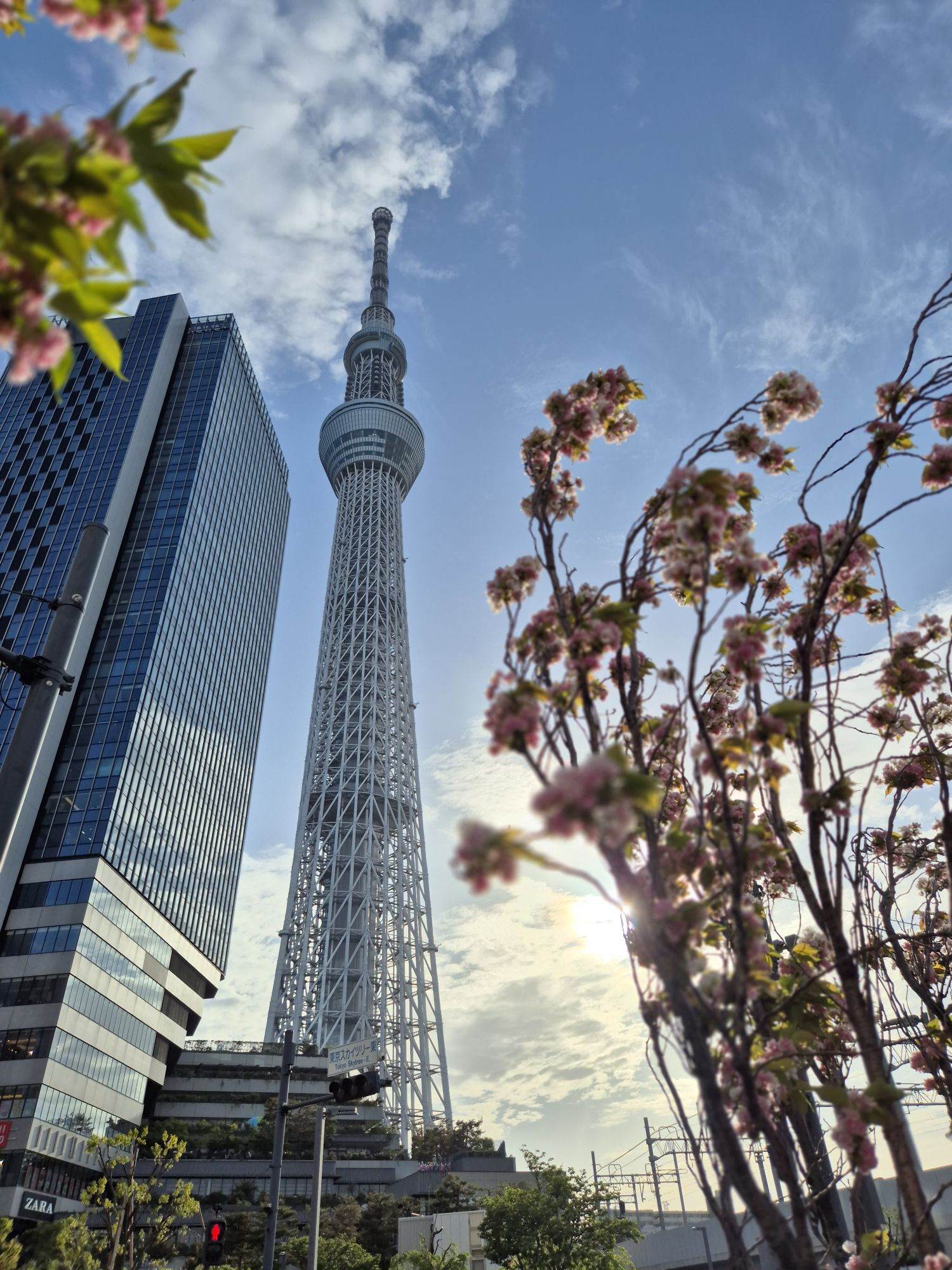
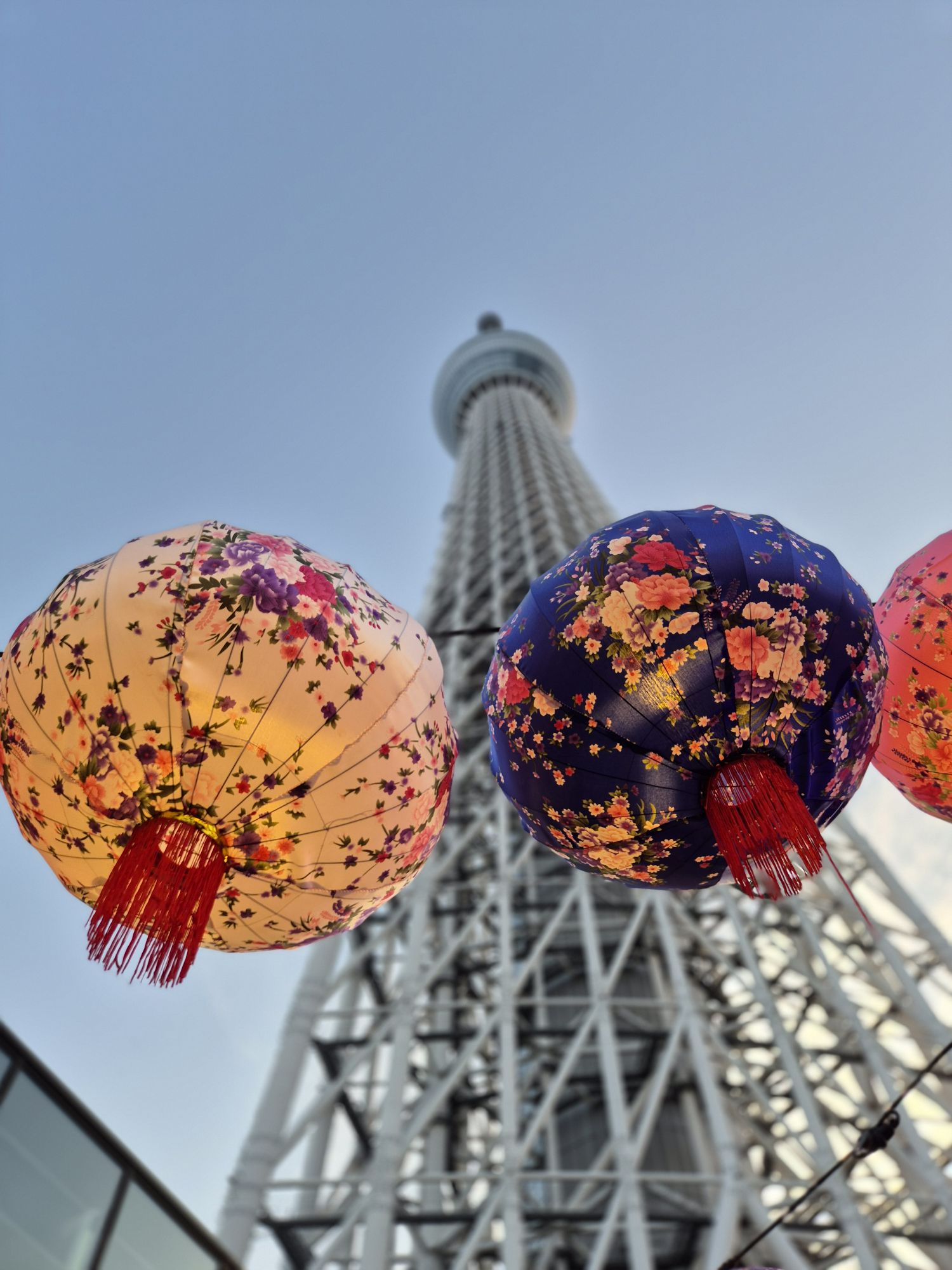
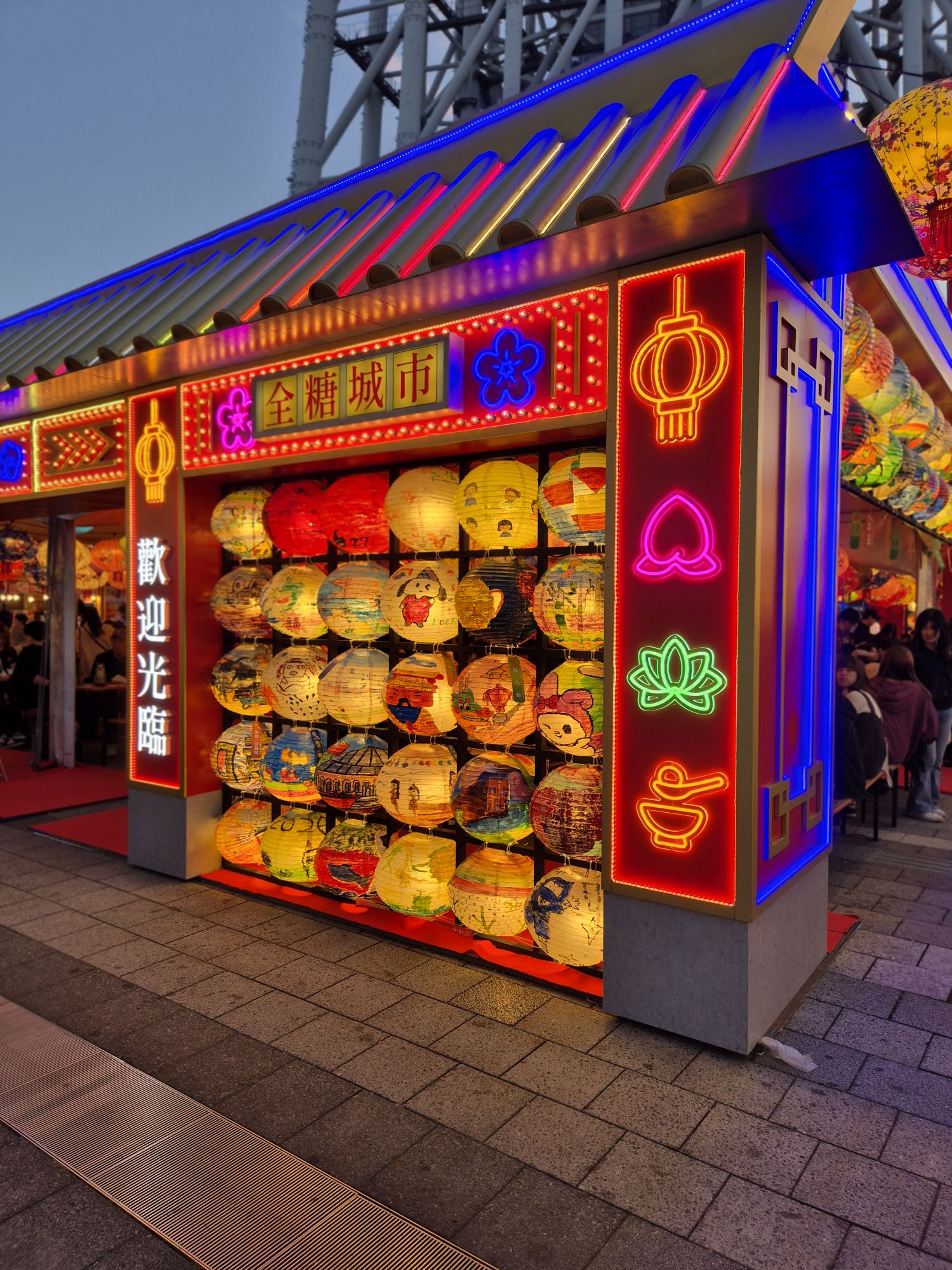
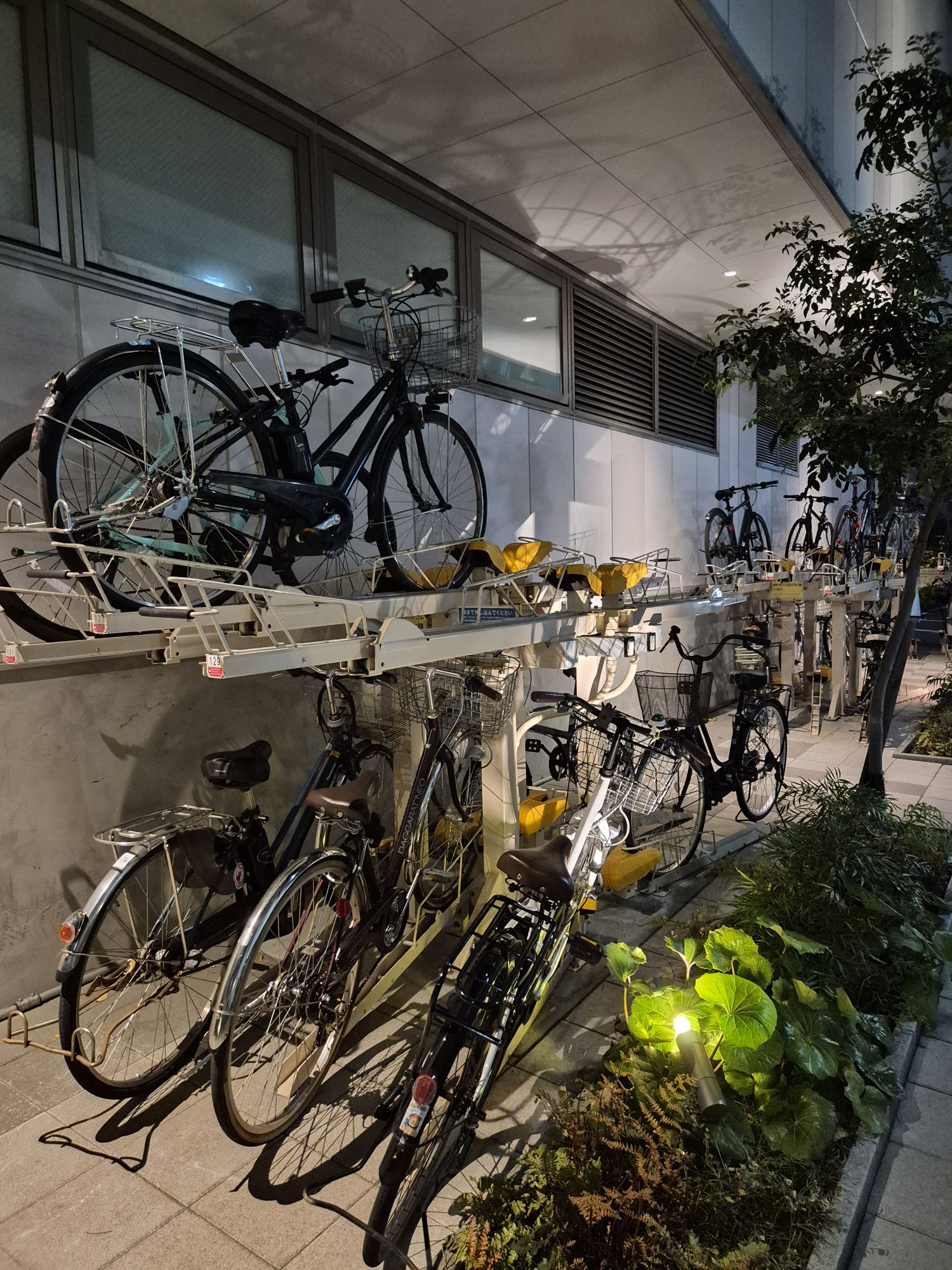
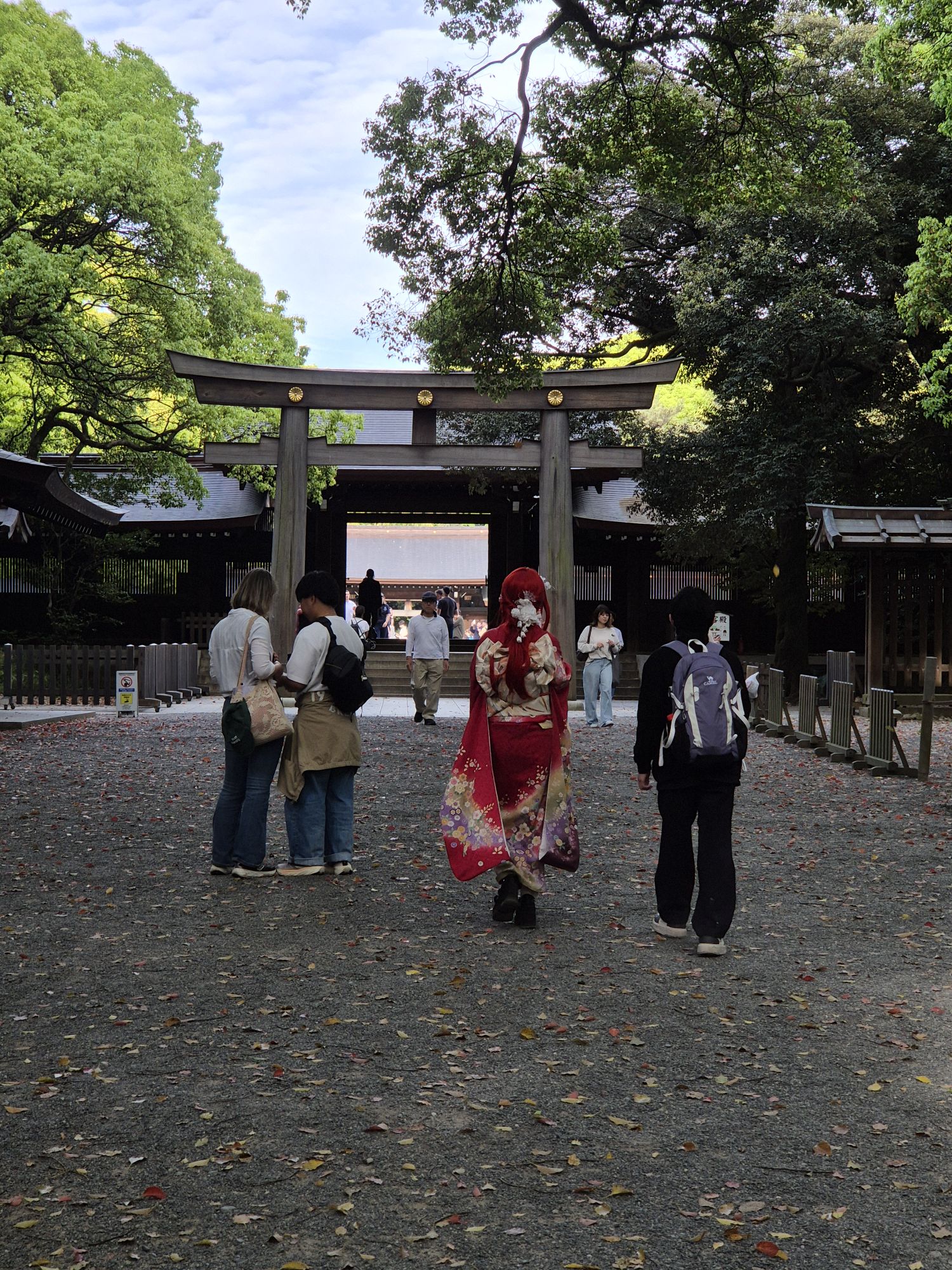
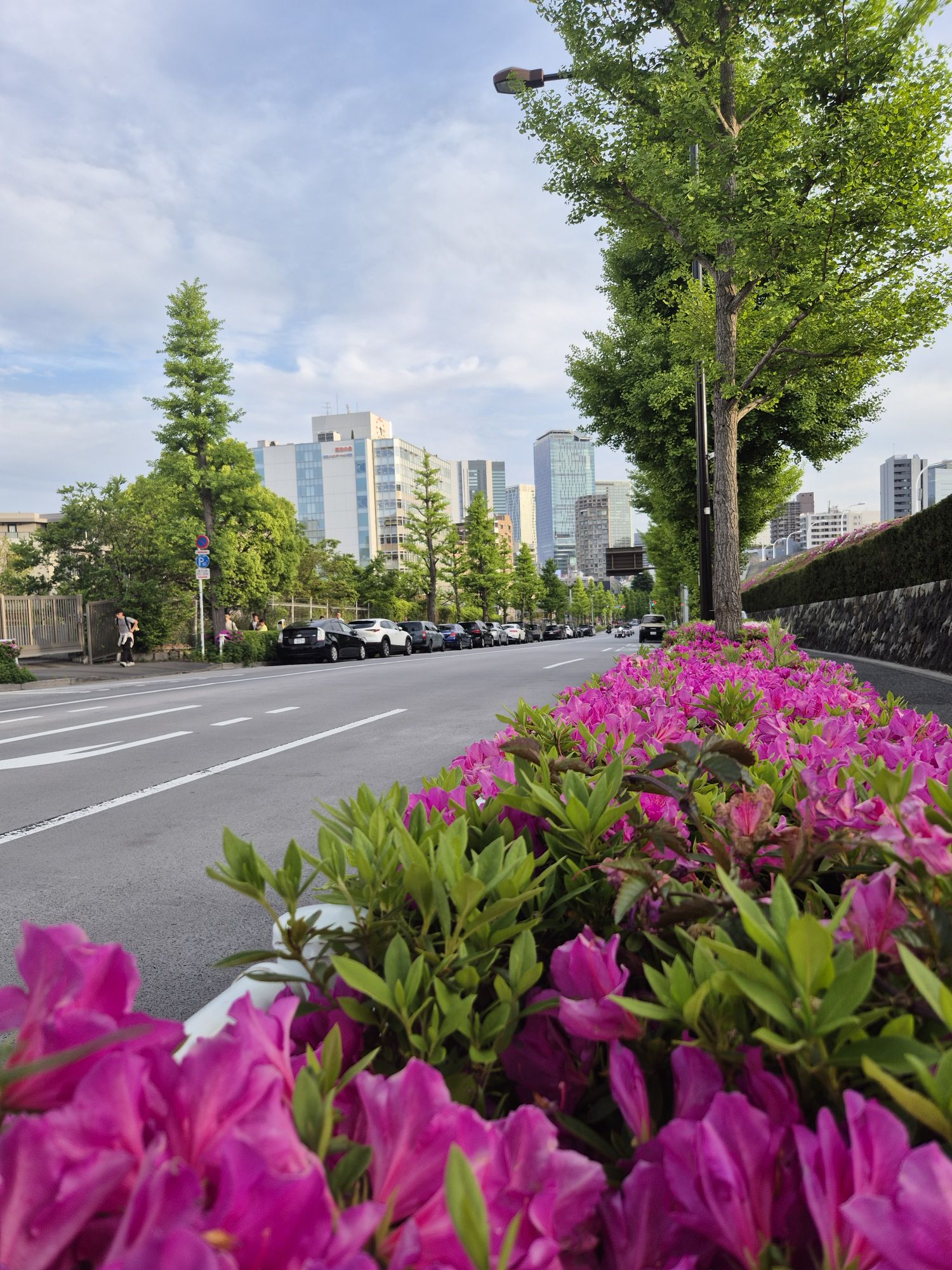
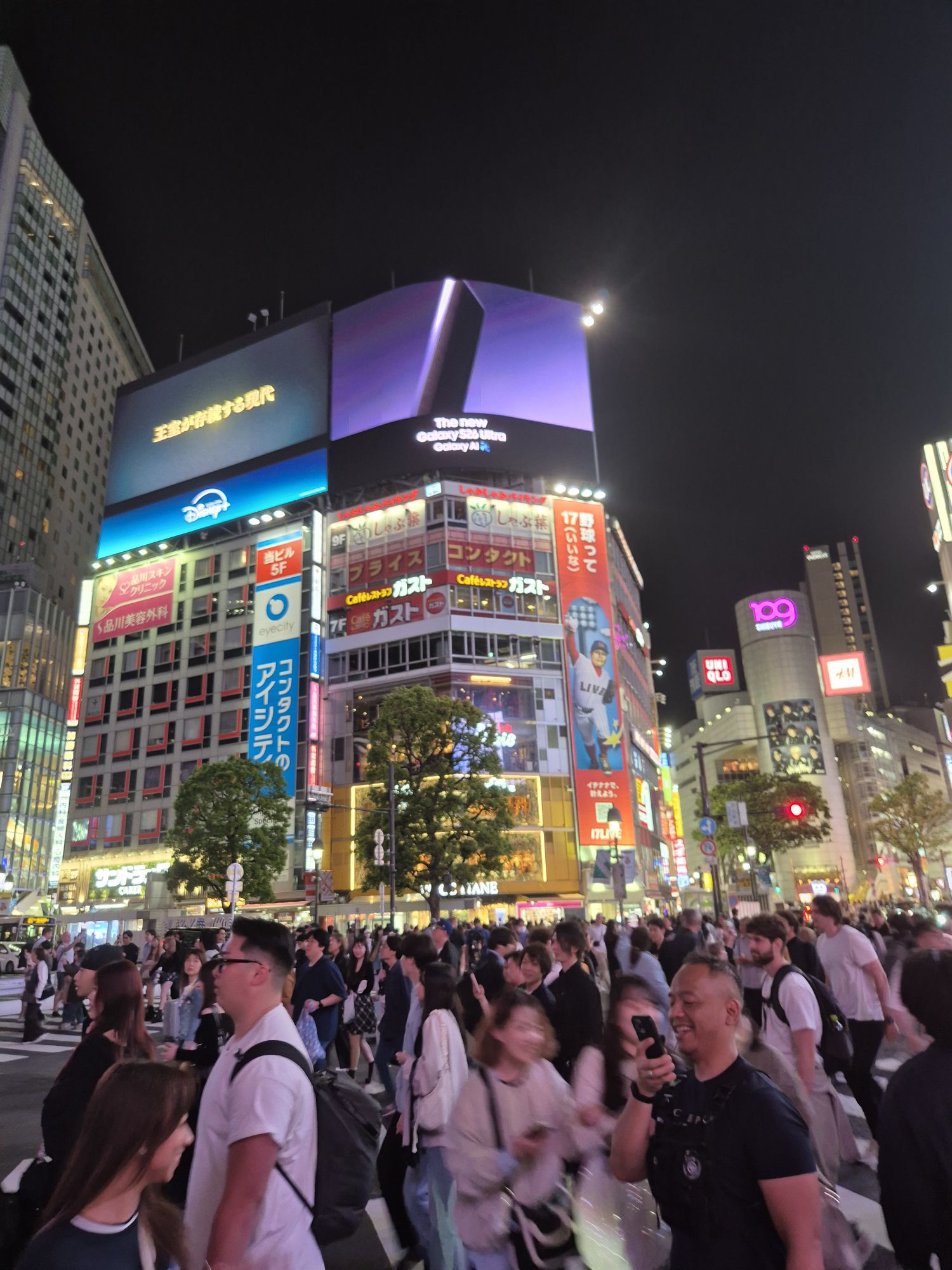
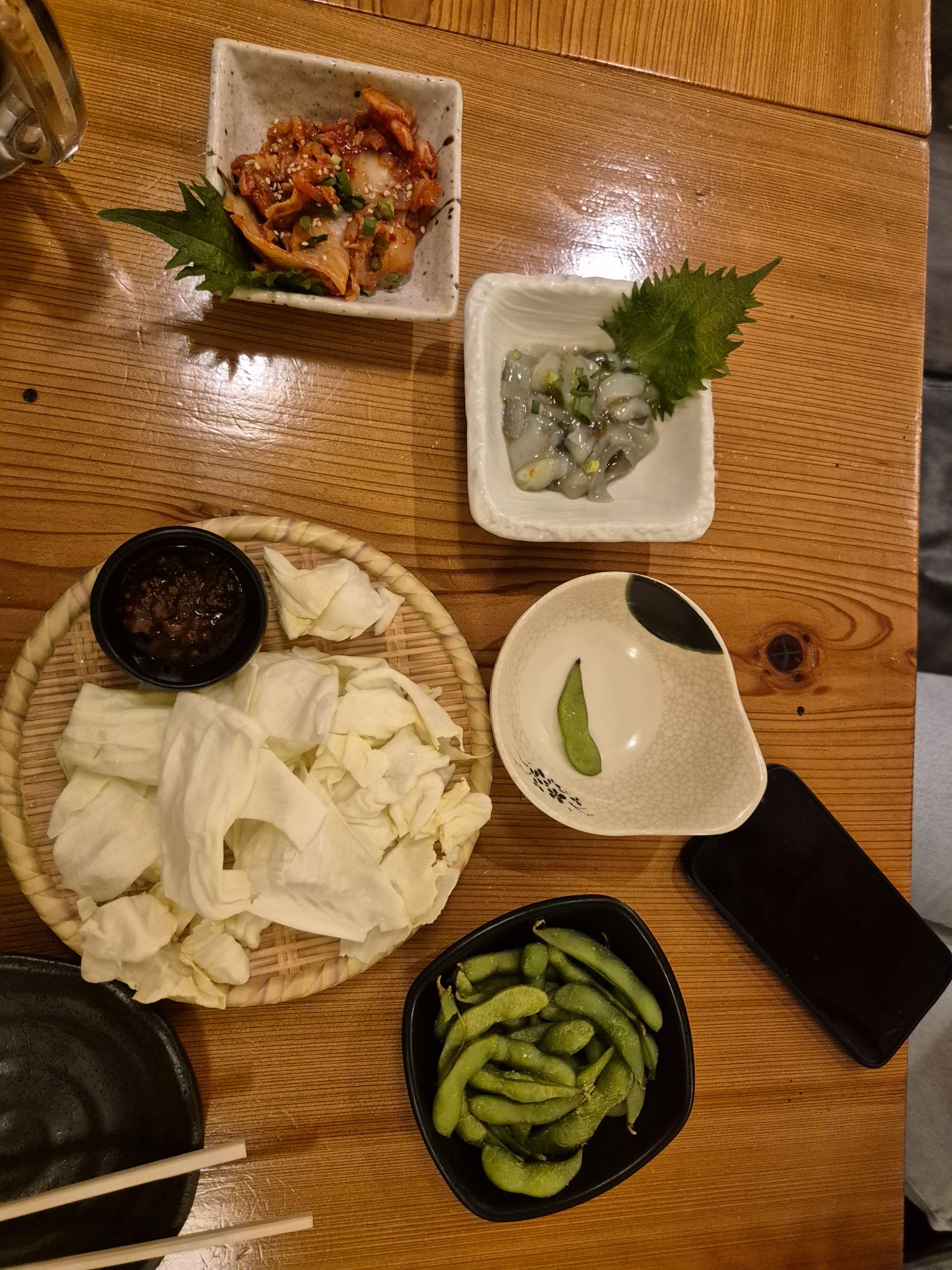
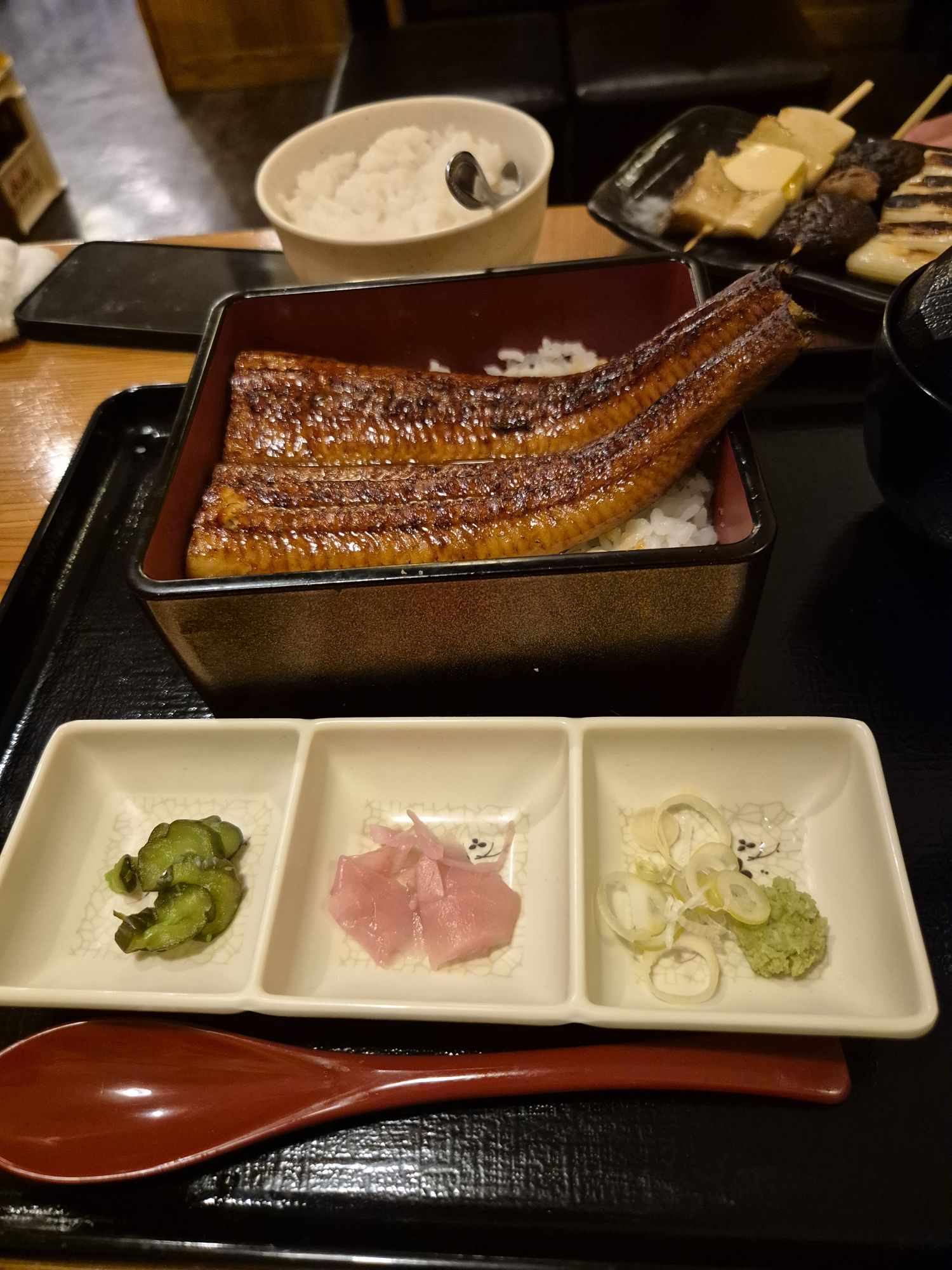
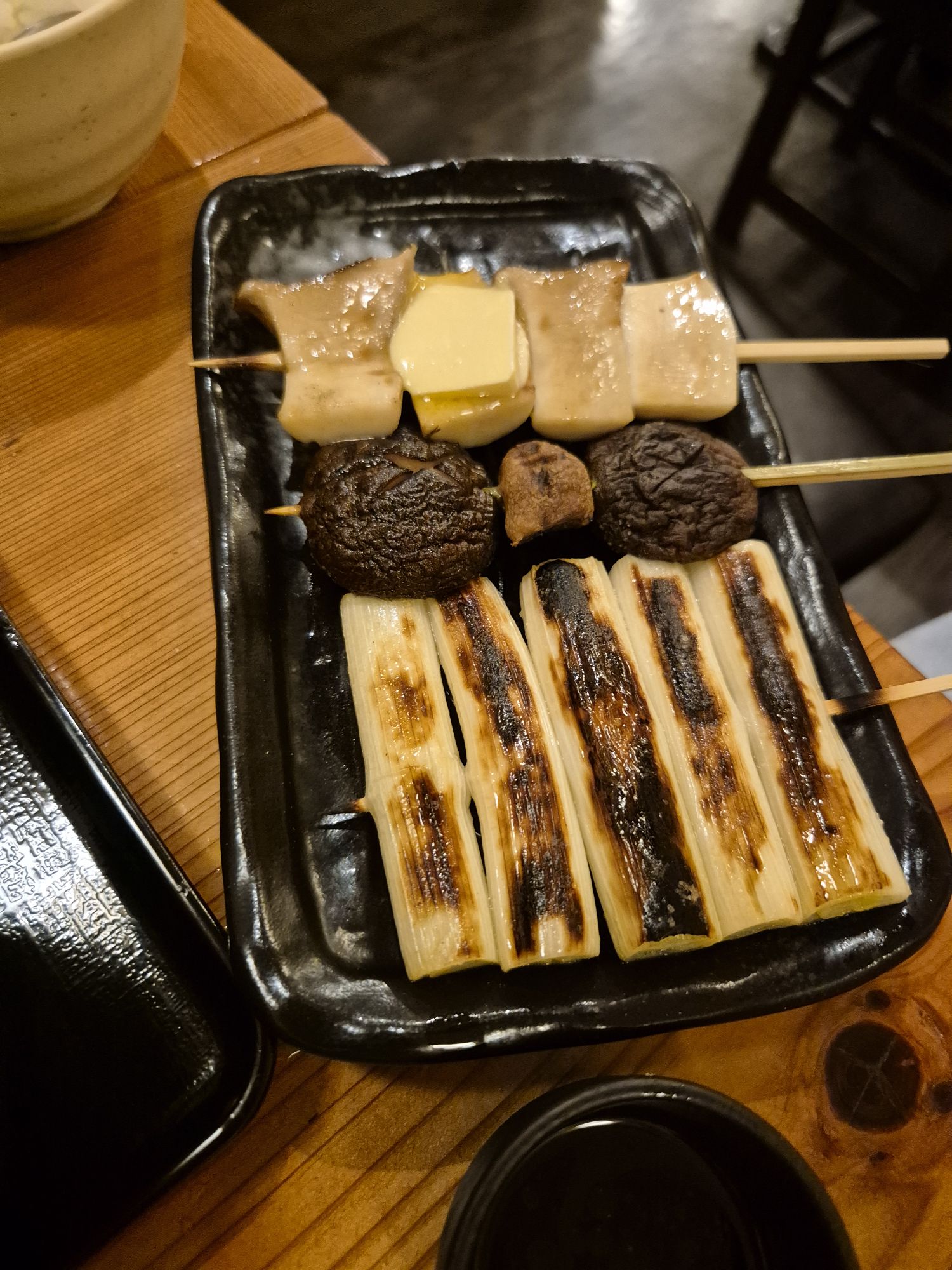
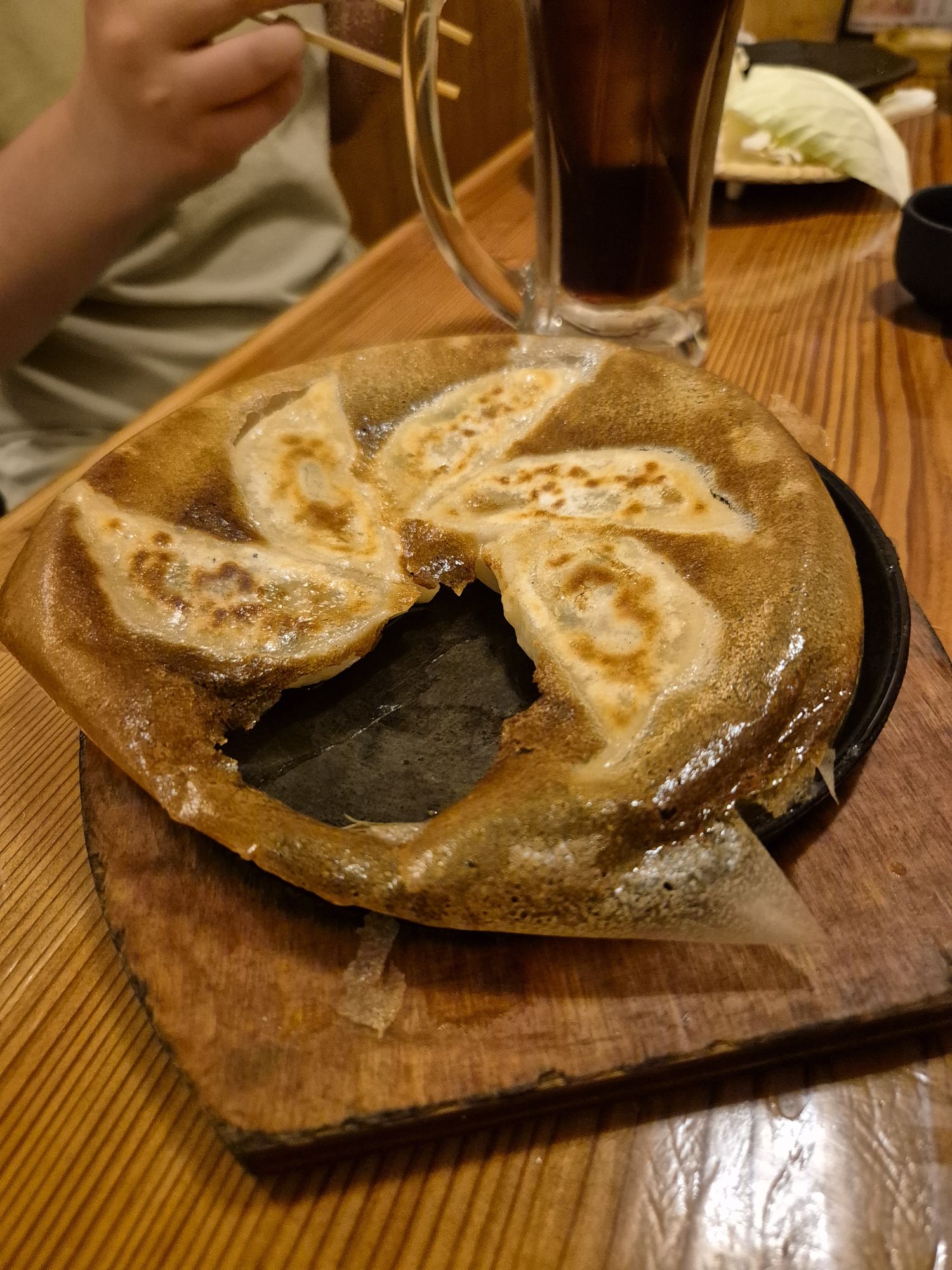
Tokyo first surprises you with its size, and then with the calm in the middle of the chaos. The metropolis impresses with its variety, and above all with how clean it is. Without the rubbish bins Europeans are used to, Tokyo is spotless and remarkably orderly. The famous Shibuya Crossing is like the organised chaos of thousands of people who meet and part again every moment without a single collision. Well, the odd grumpy local may still use an elbow on an unsuspecting, photo-hungry foreigner. The statue of Hachikō stands calmly beside the nearby bustle, patiently waiting while passers-by queue for a photo with him. A few streets away, in the Yanaka neighbourhood, time runs more slowly: wooden houses, cats on doorsteps and the authentic aromas of traditional Japanese eateries.
The best time to visit the Toyosu fish market is early in the morning, when the fresh fish arrives, and an evening on the observation deck in Shinjuku, or really anywhere across Japan’s capital, is something special. By day and by night, Tokyo is a city with two different characters.
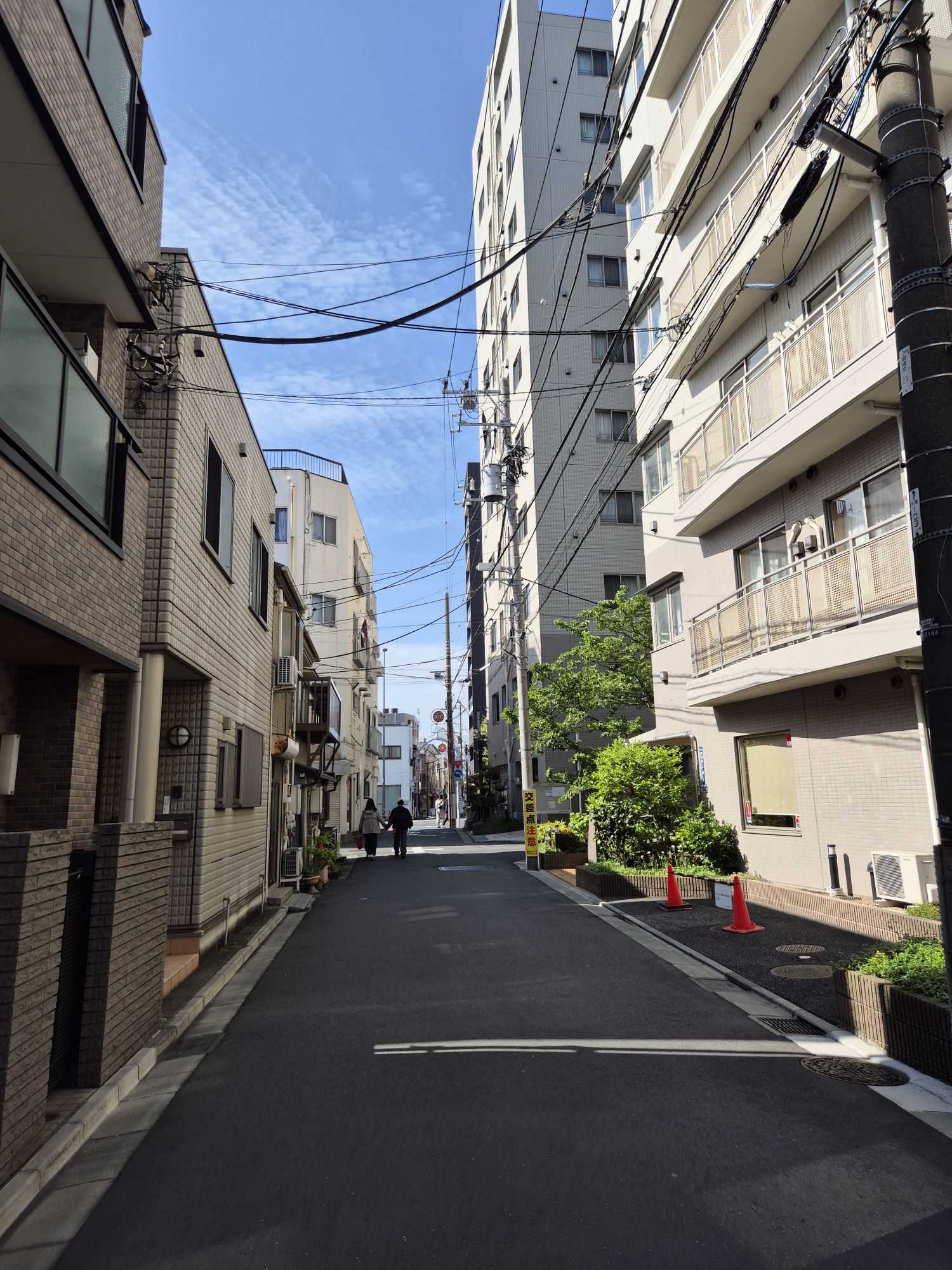
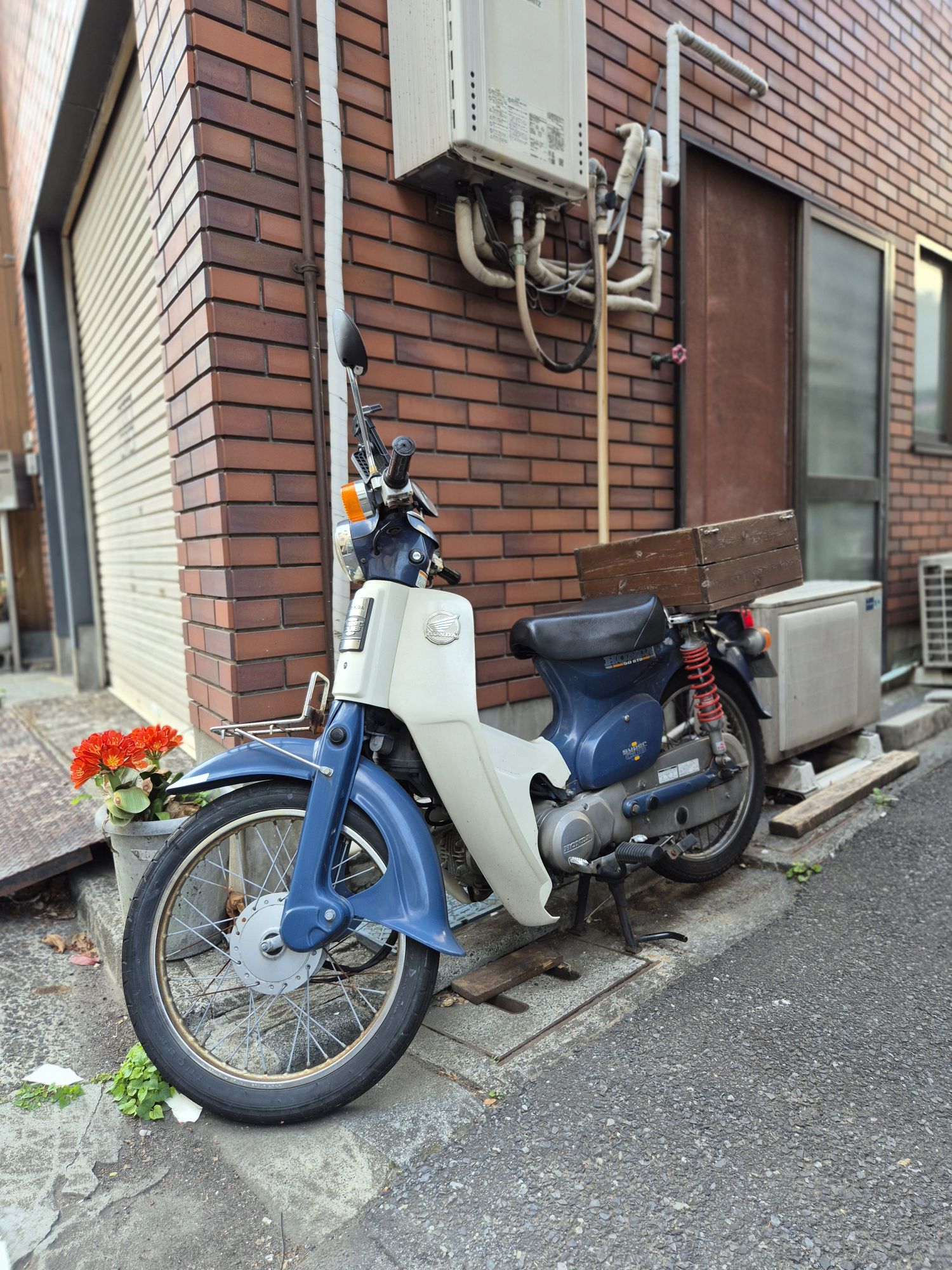
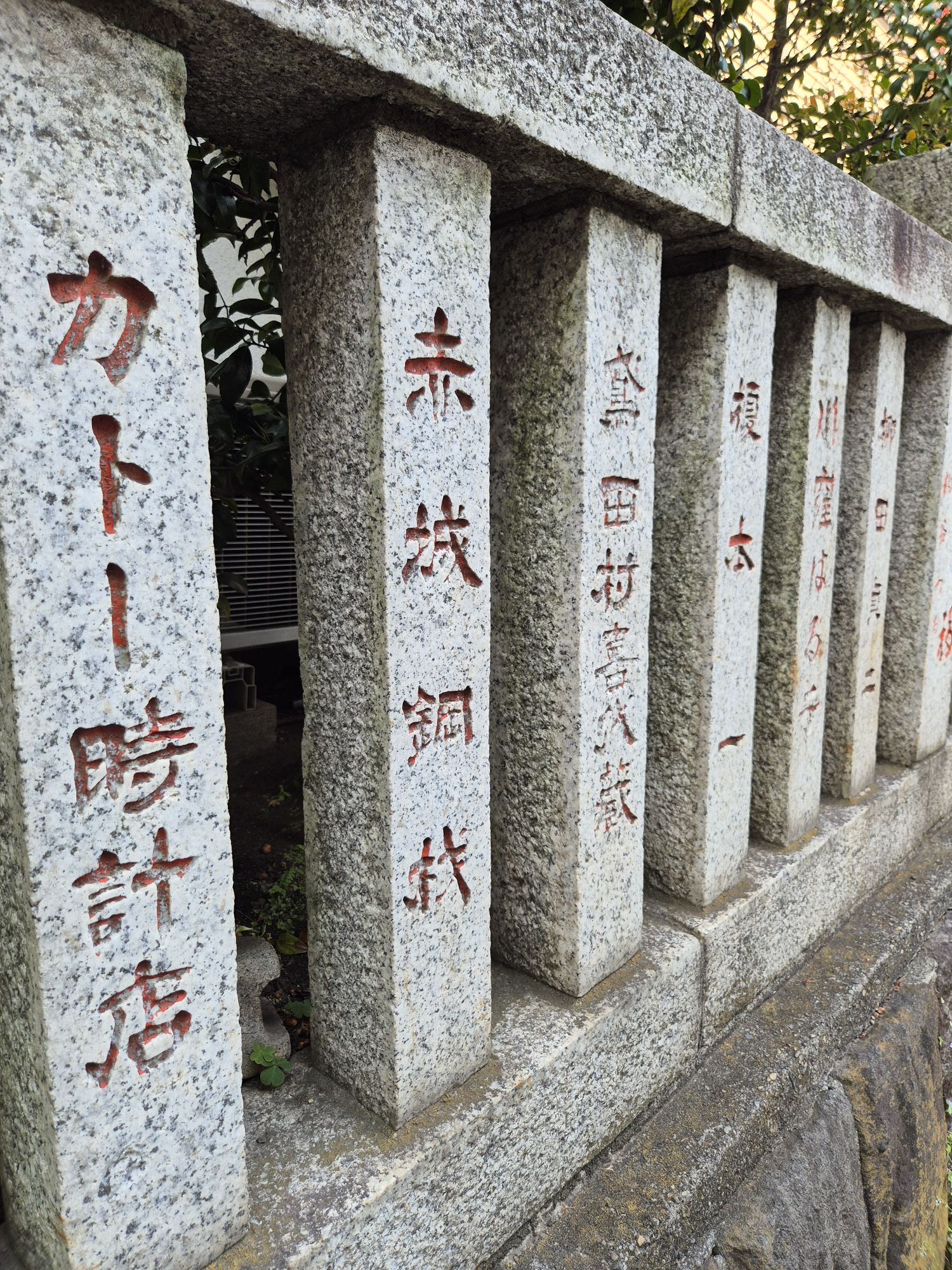
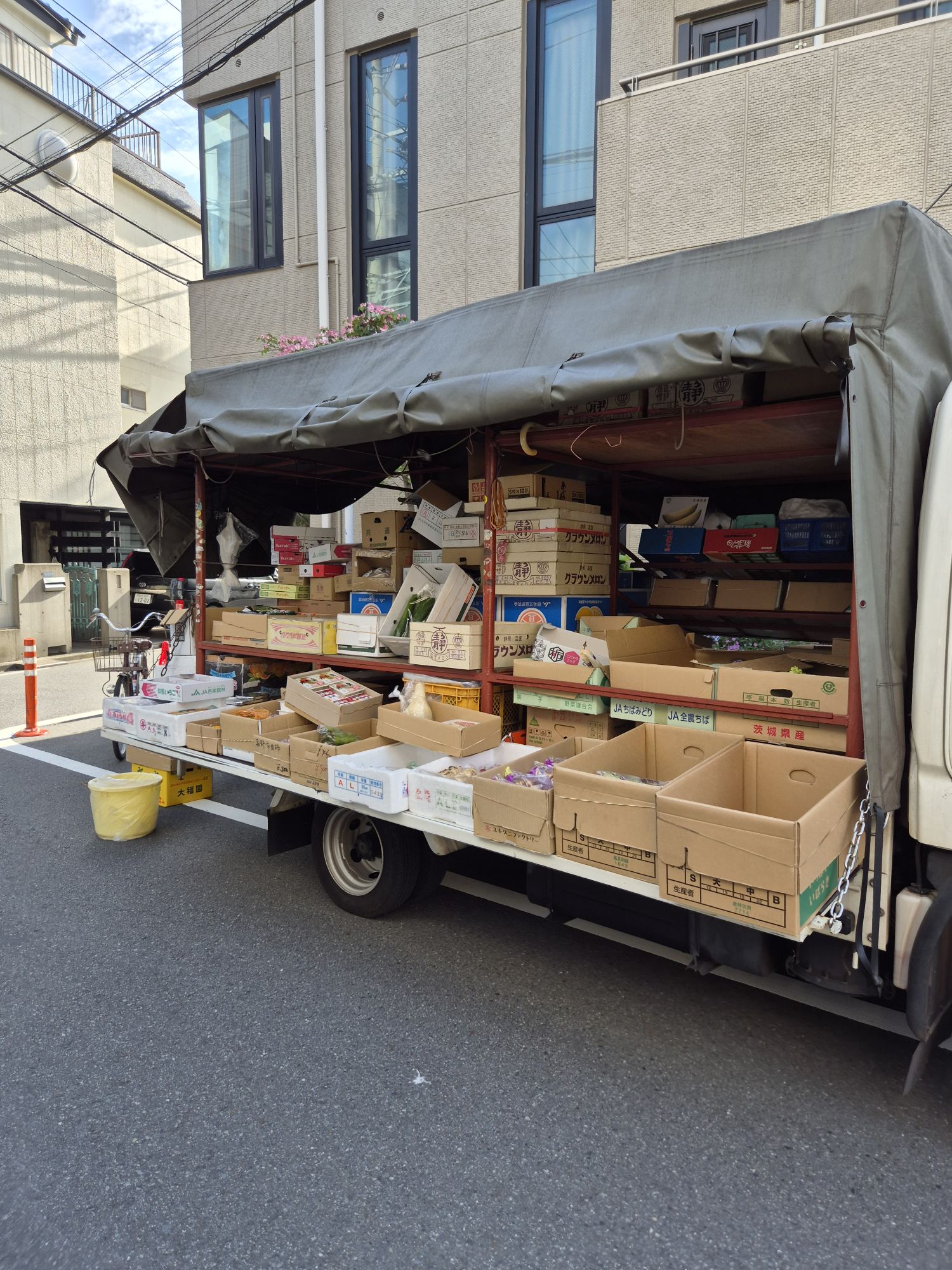
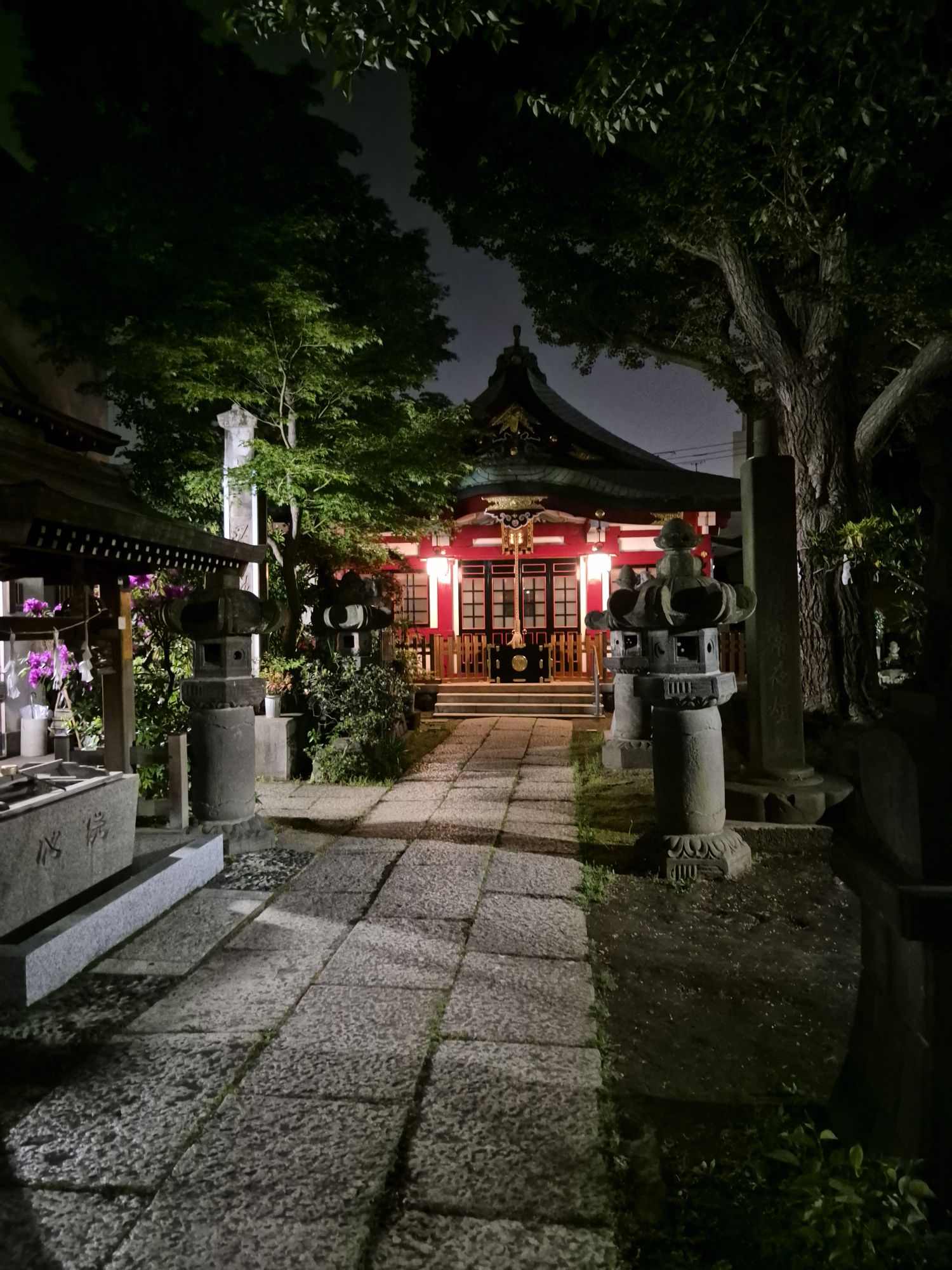
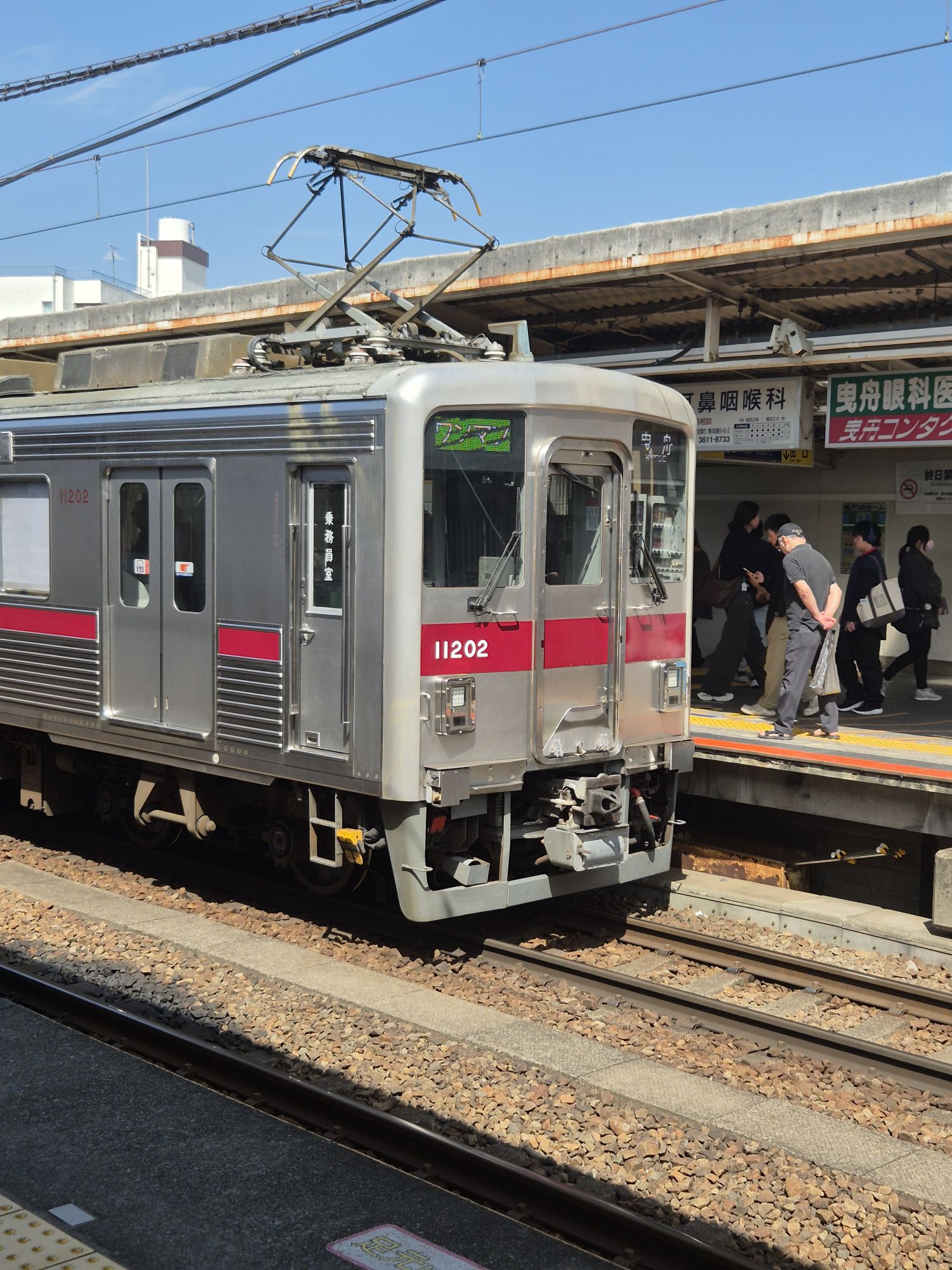
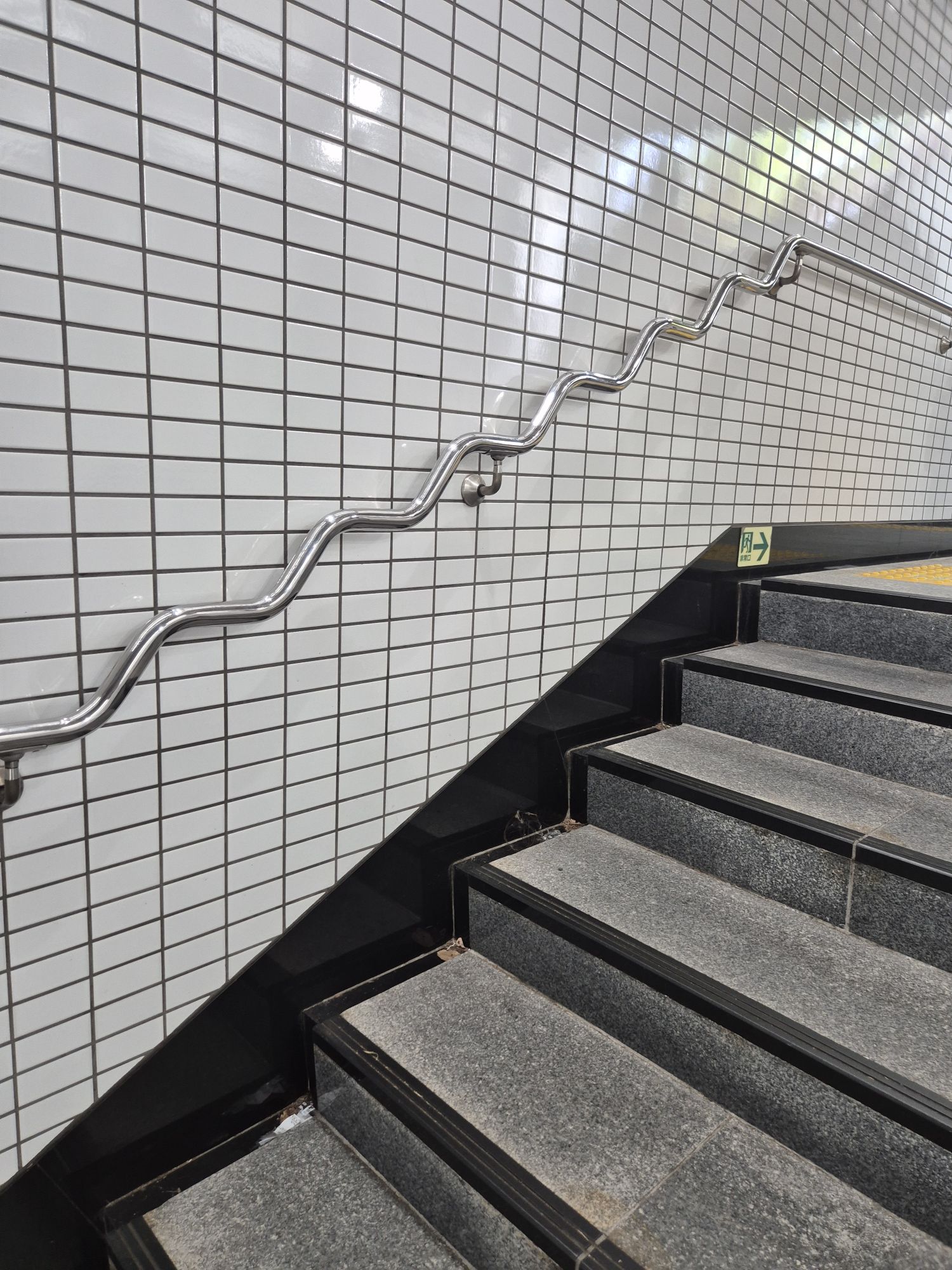
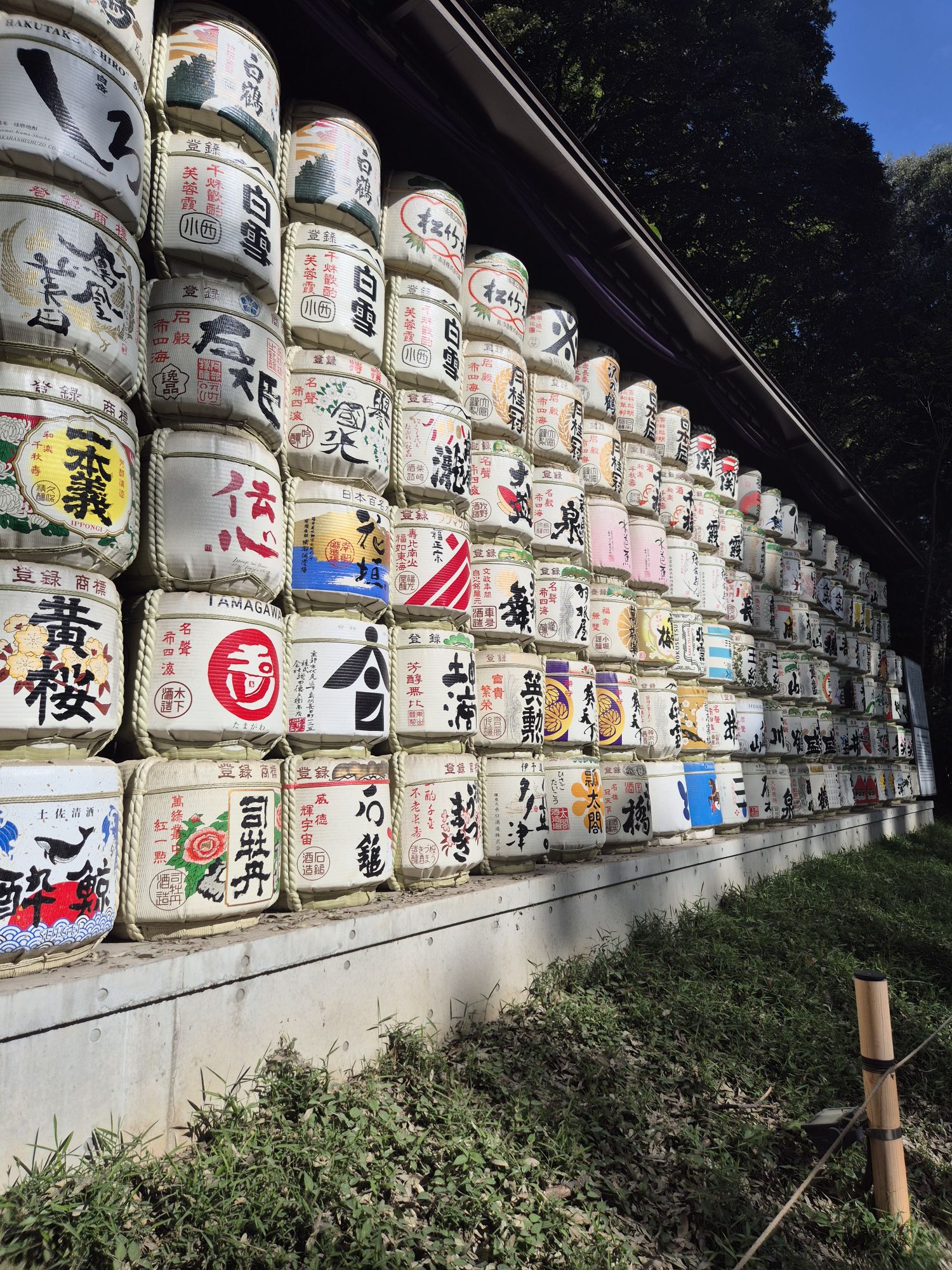
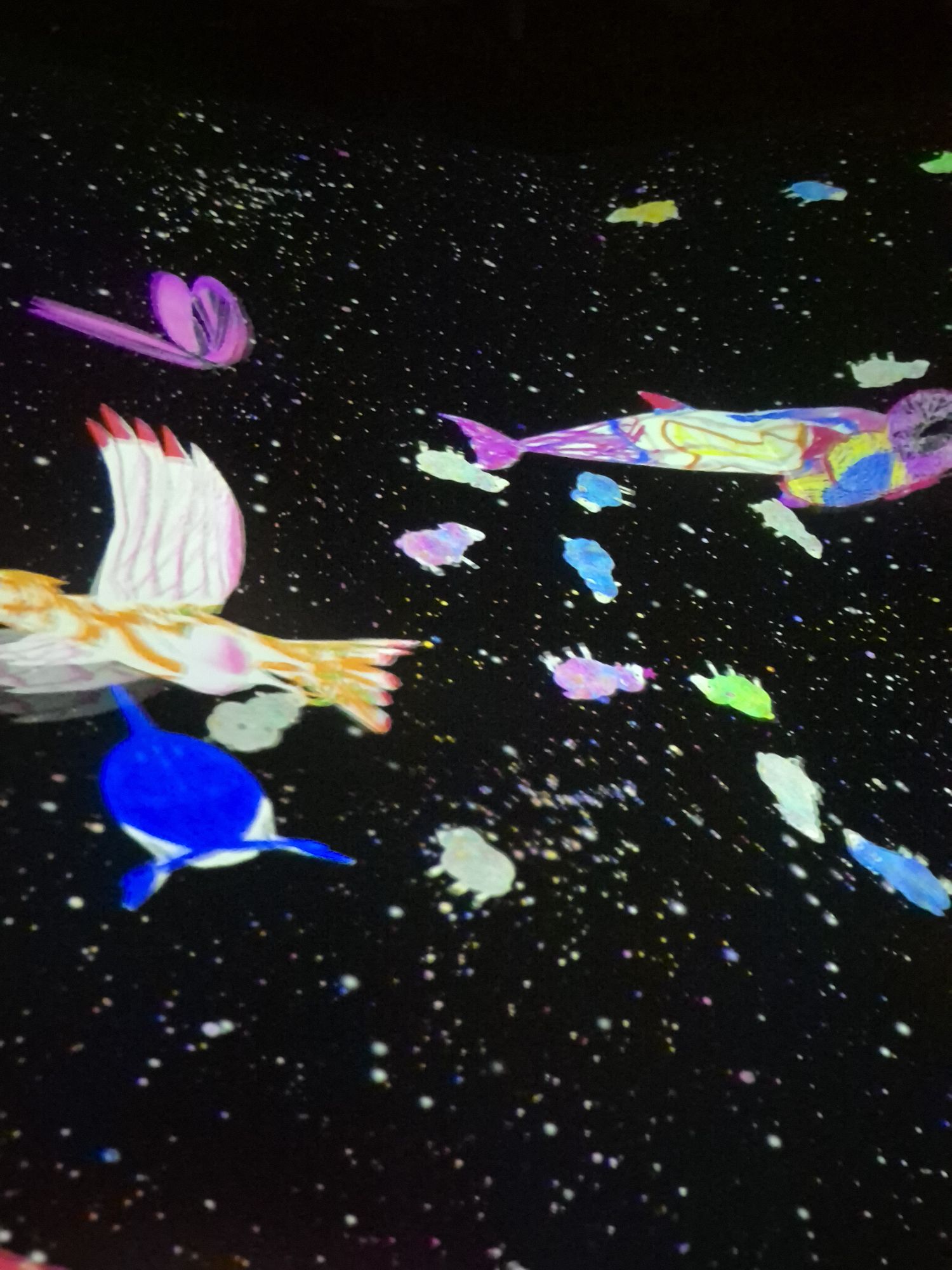
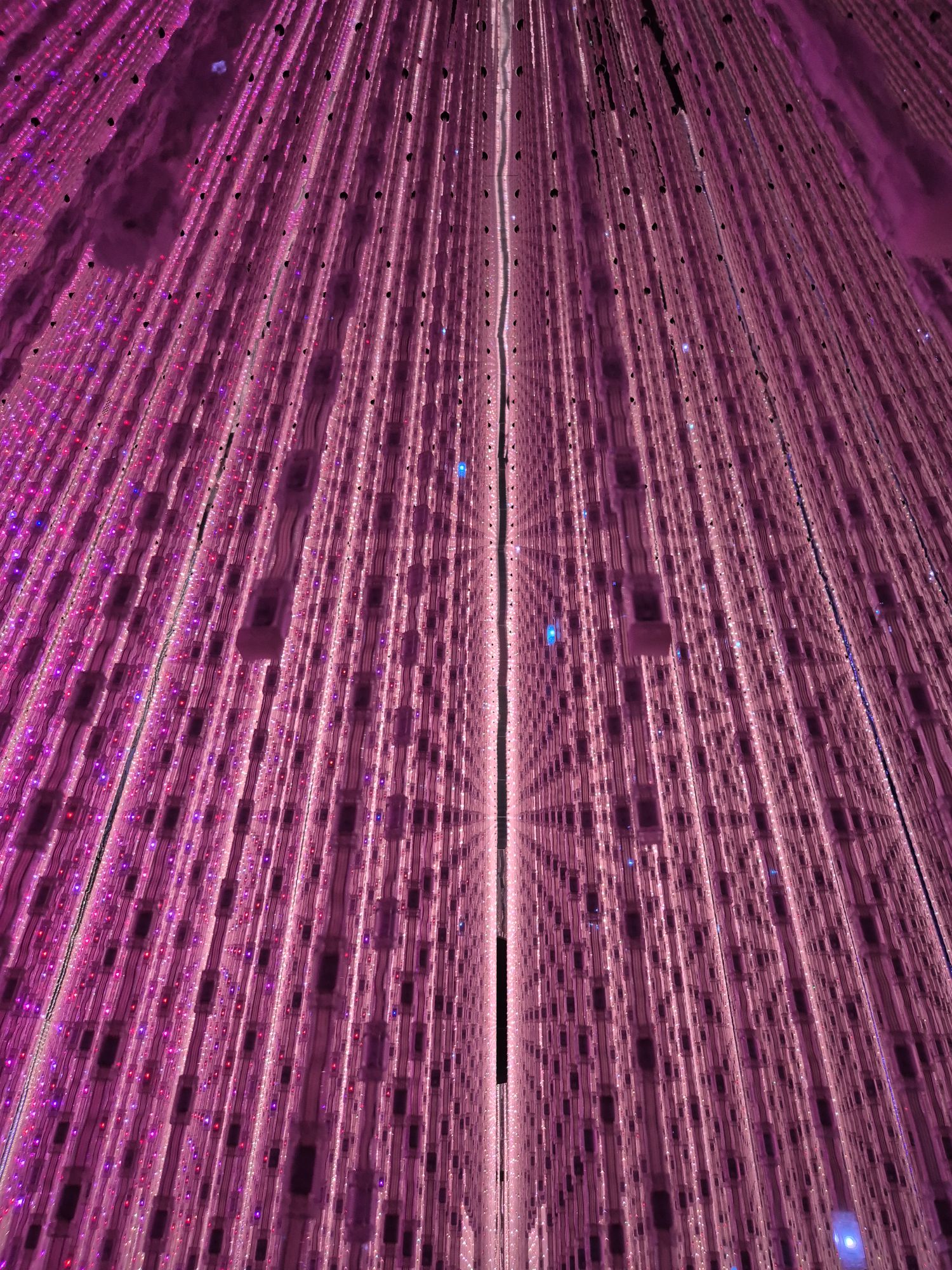
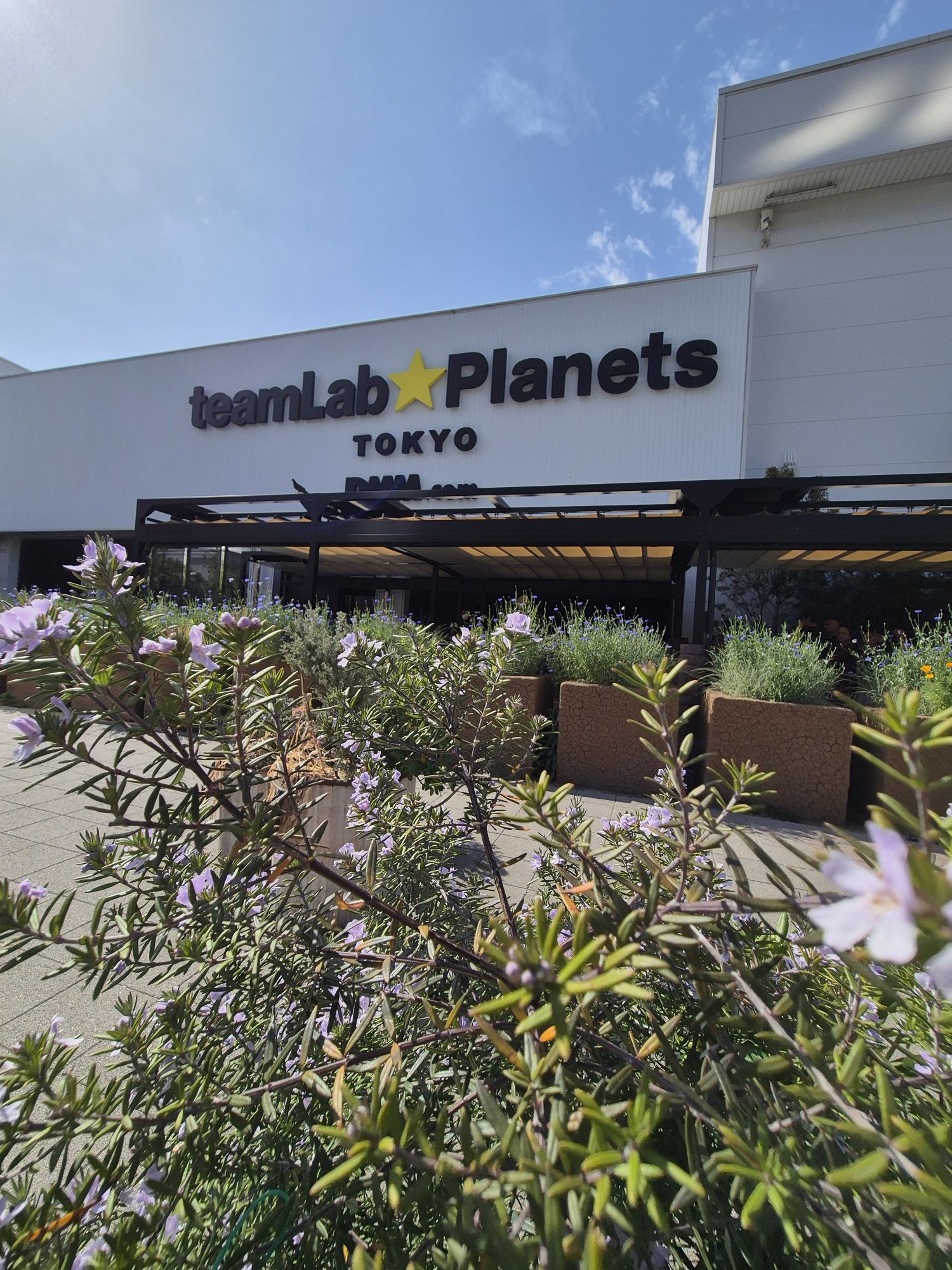
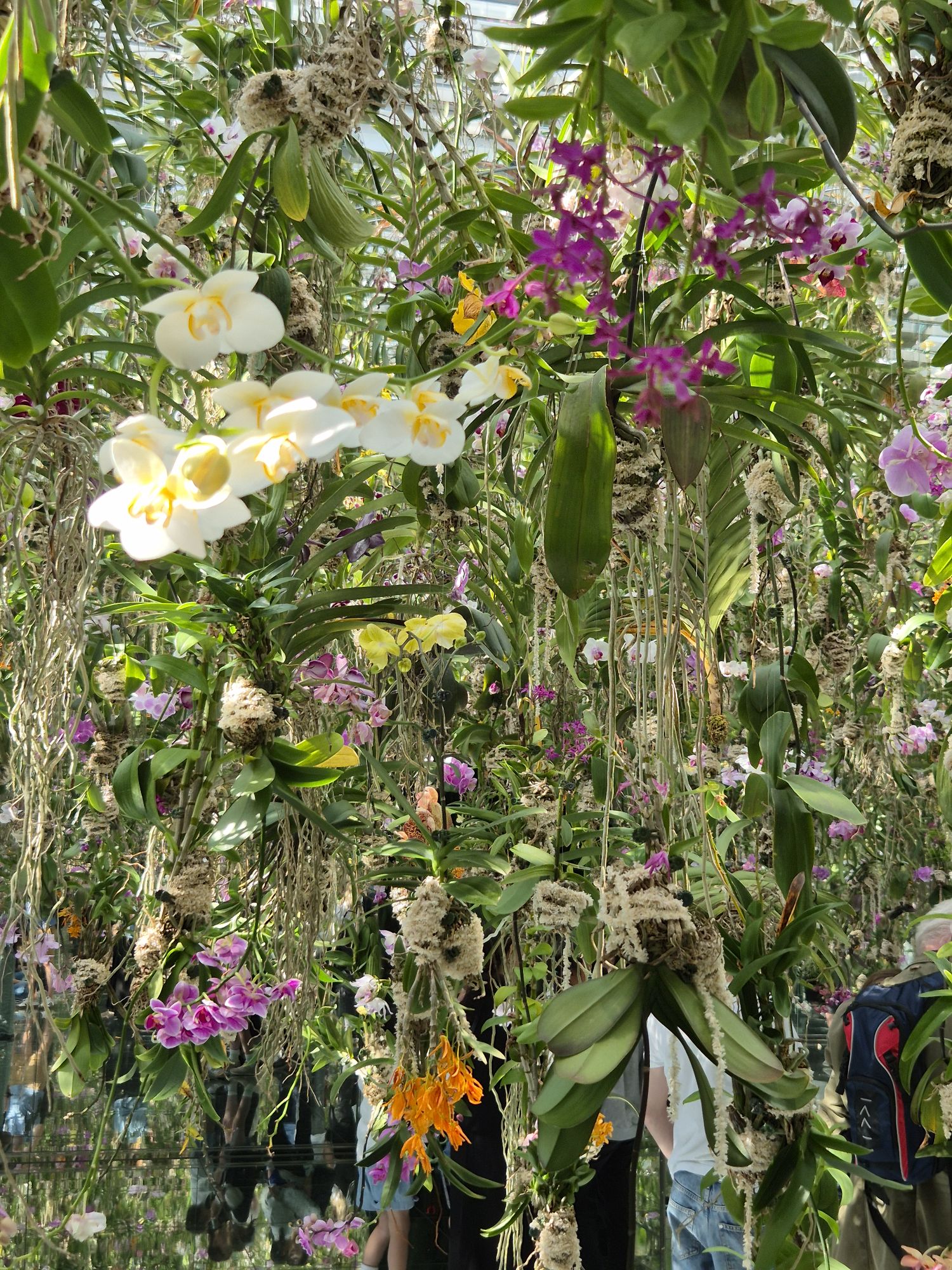
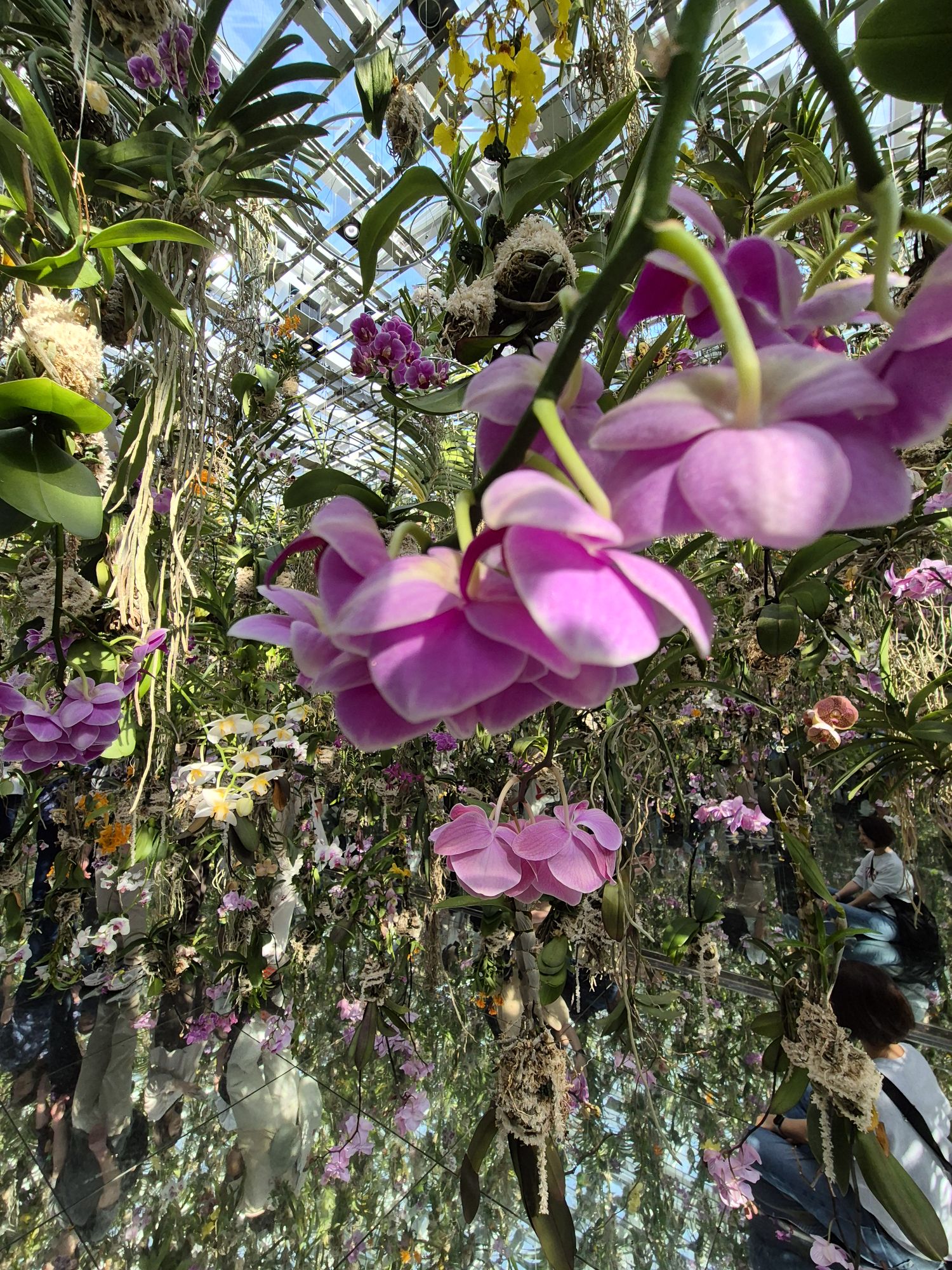
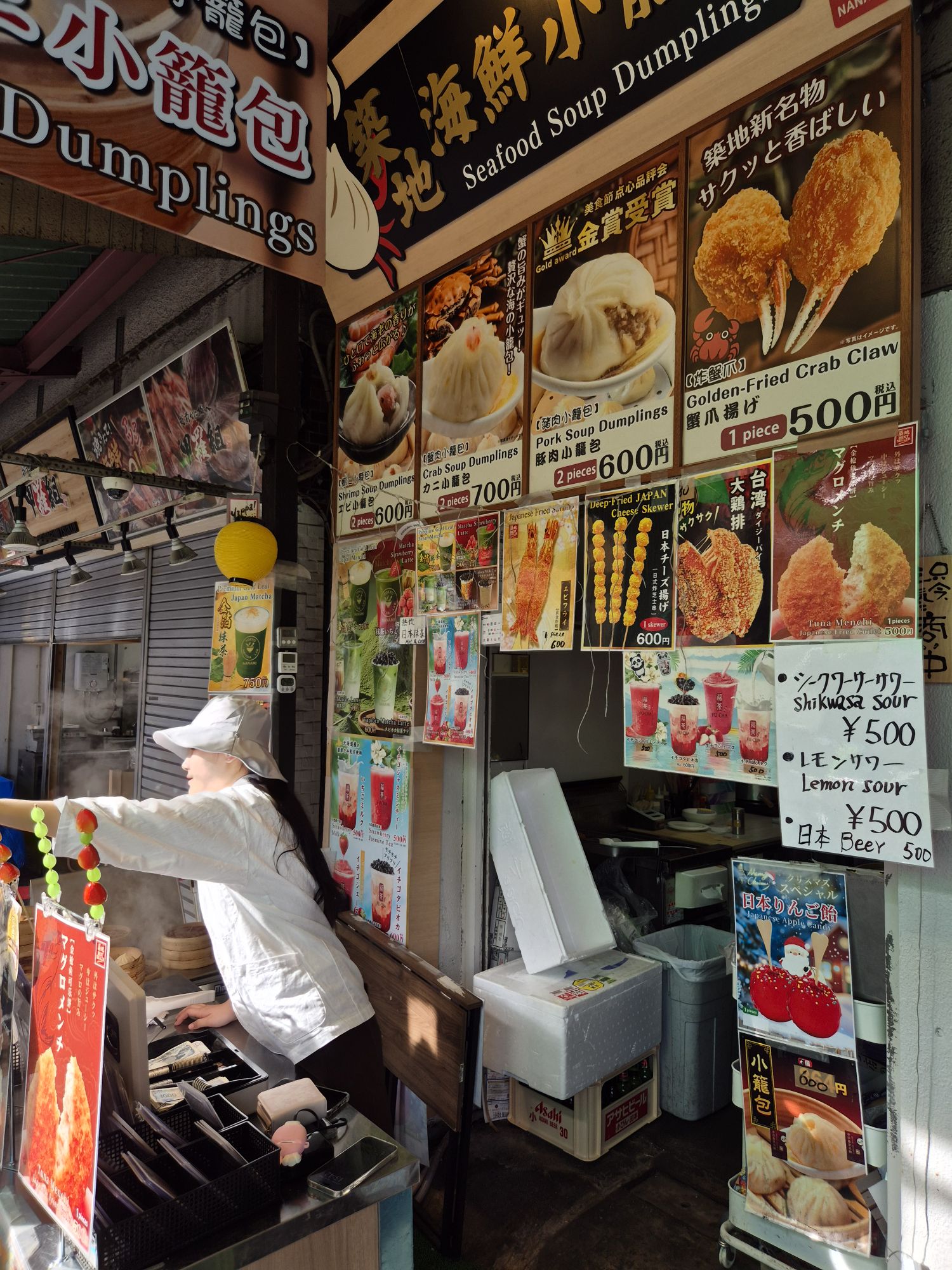
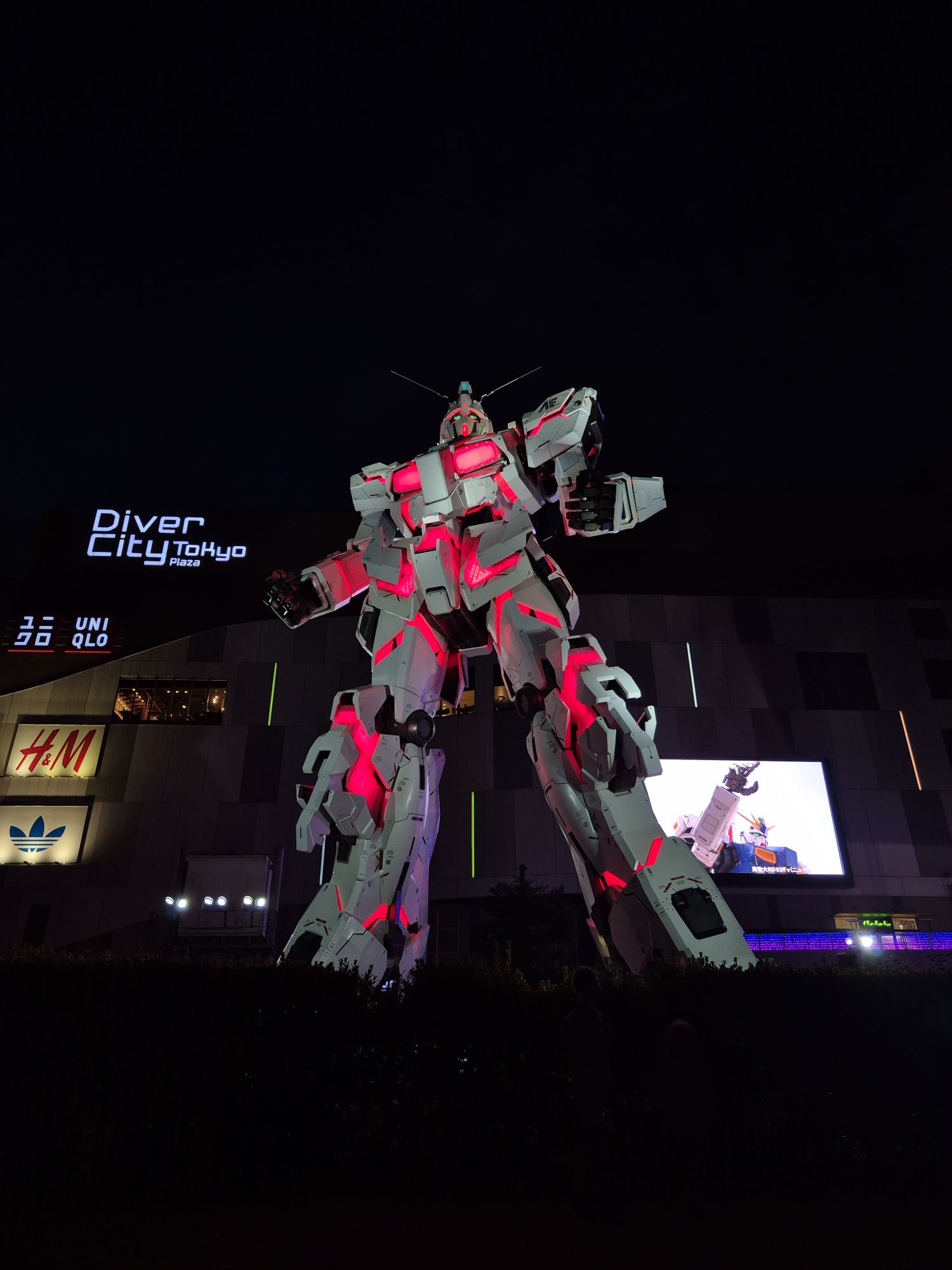
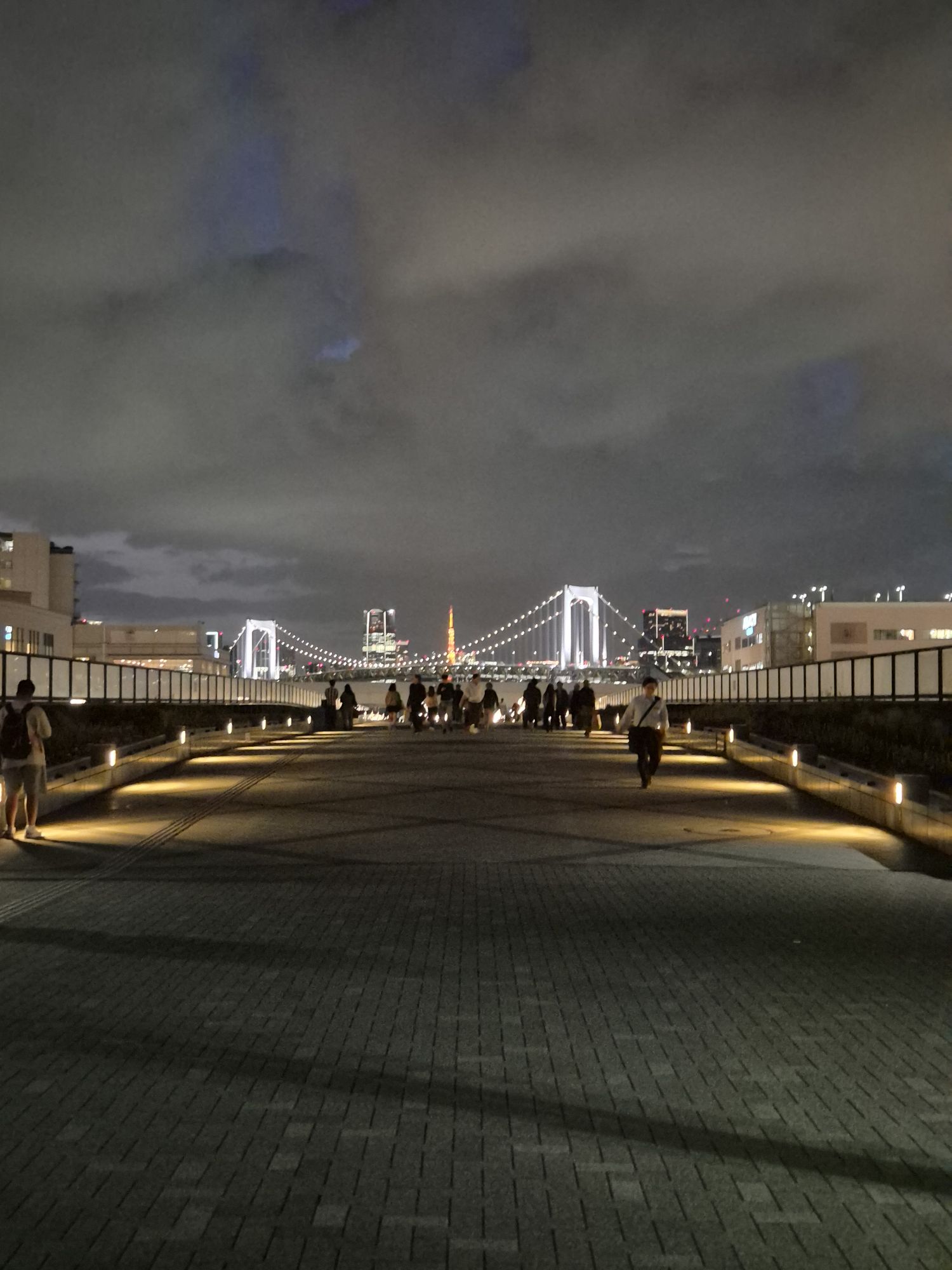
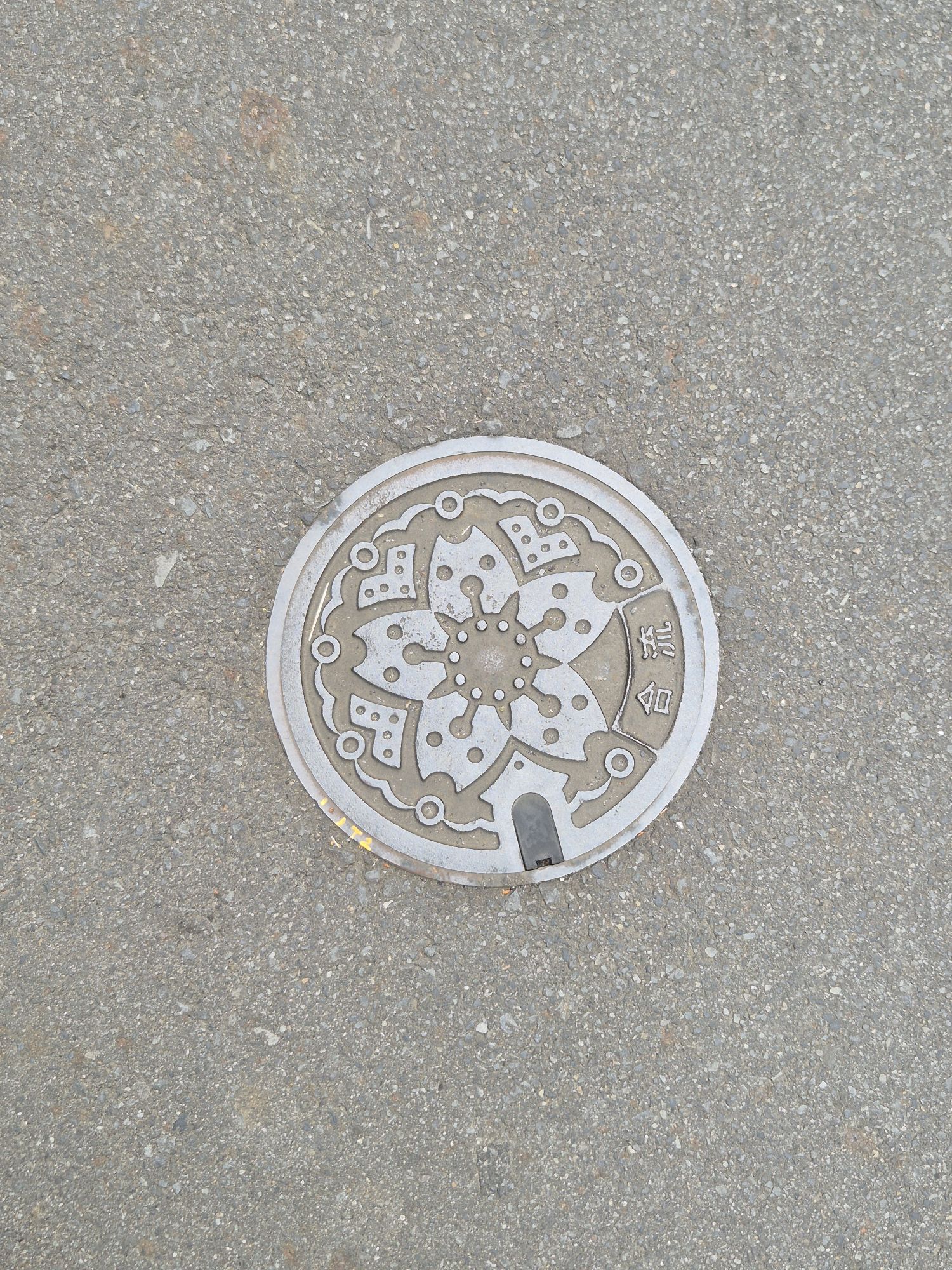
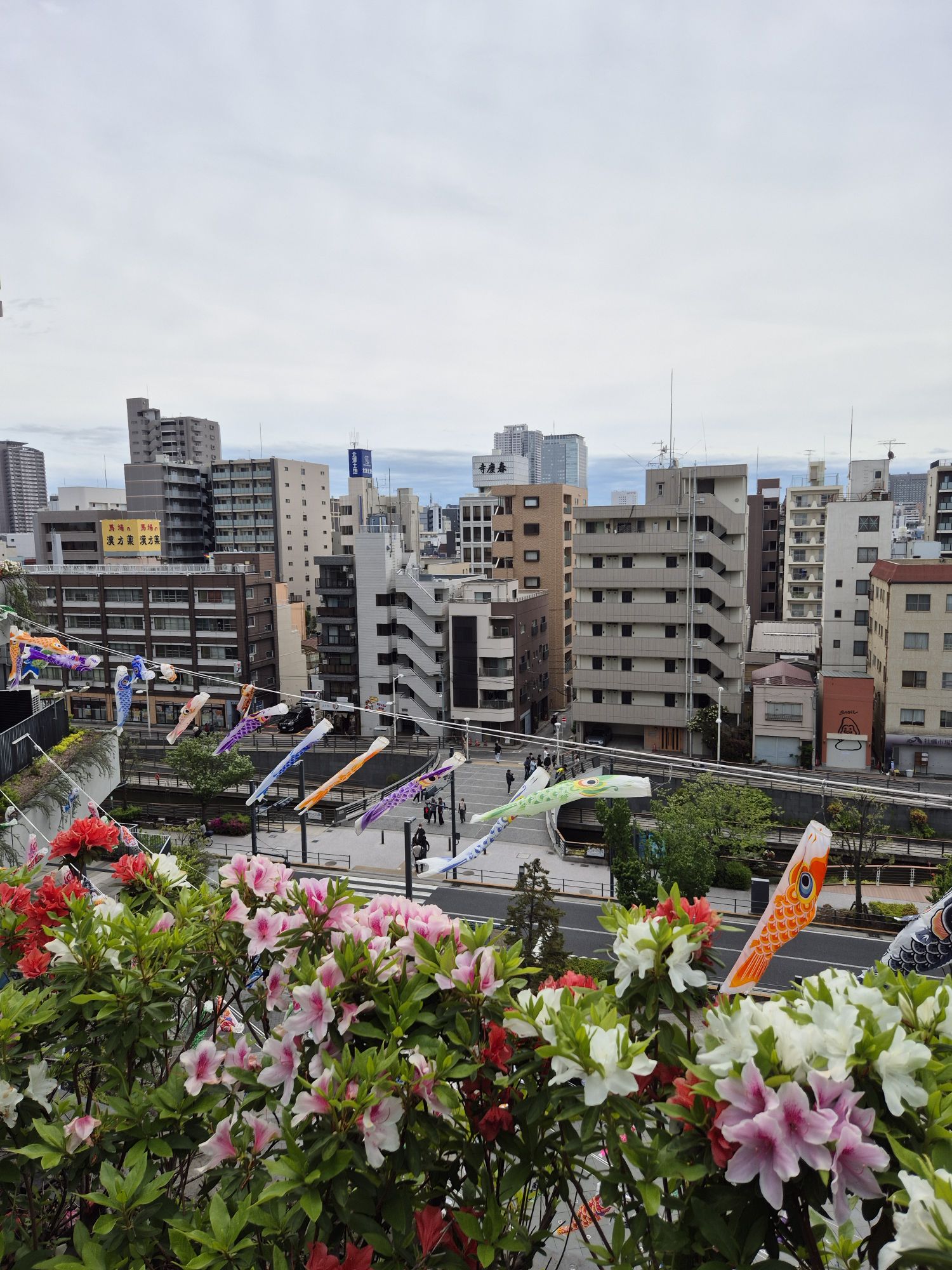
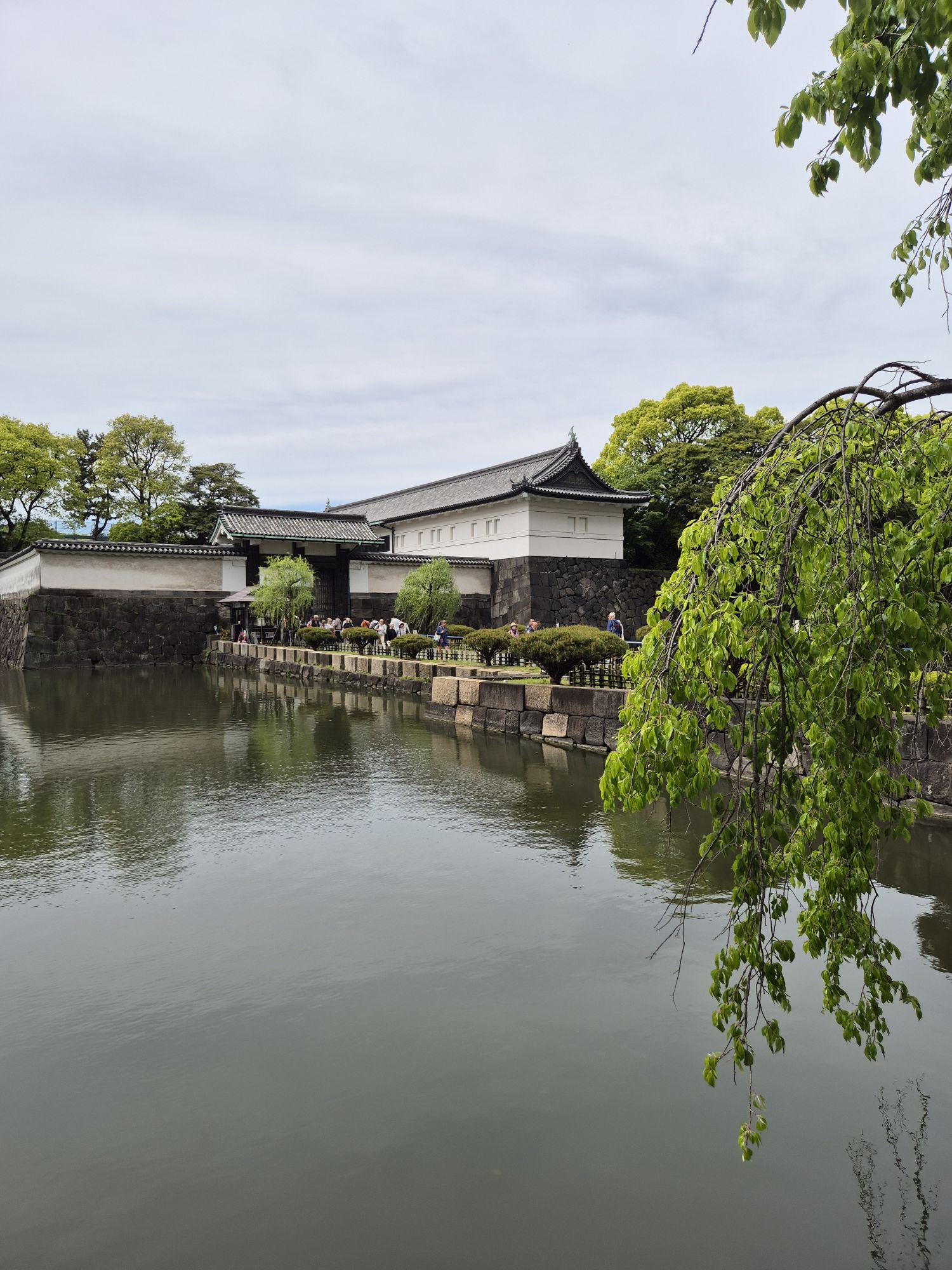
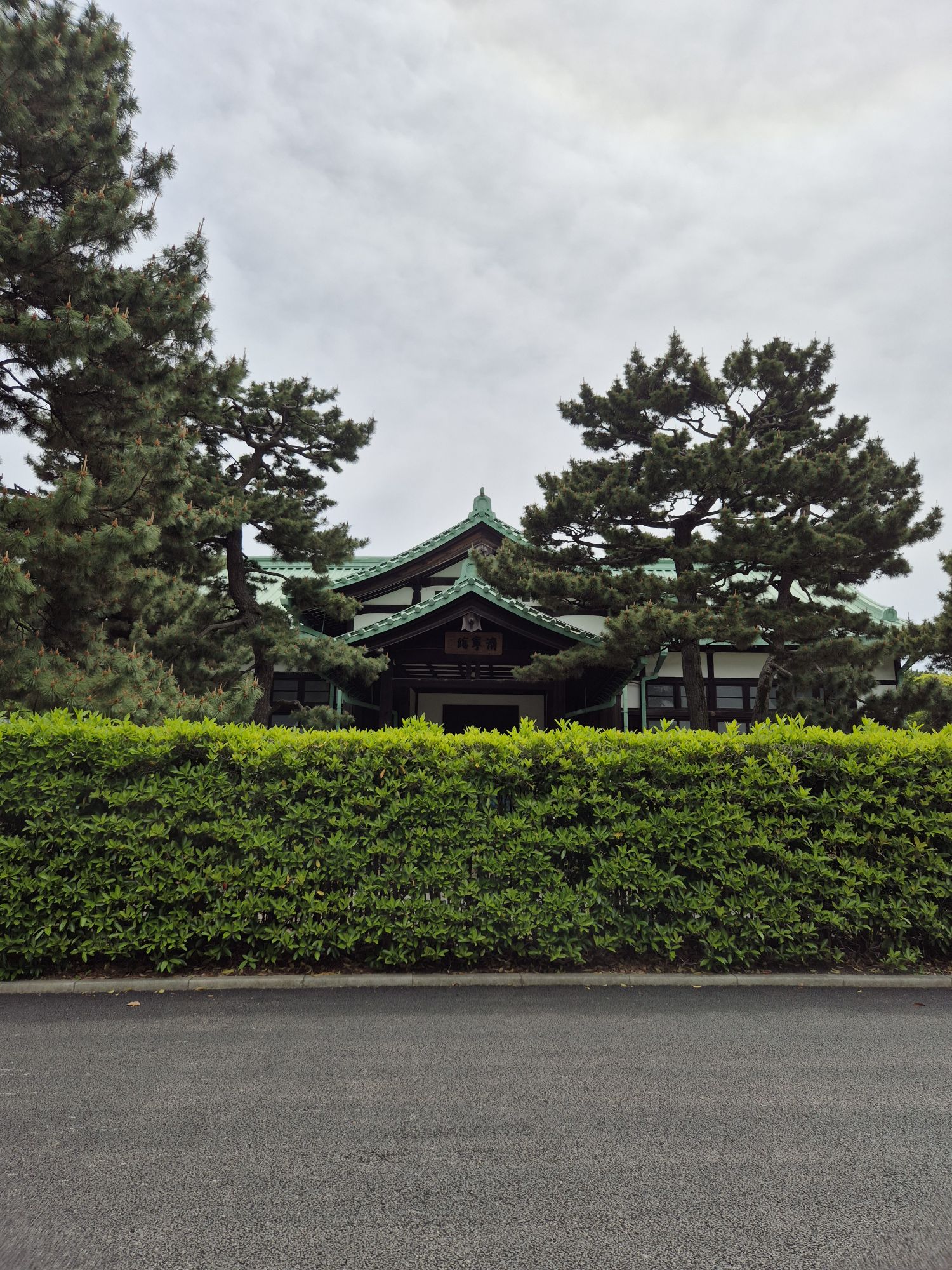
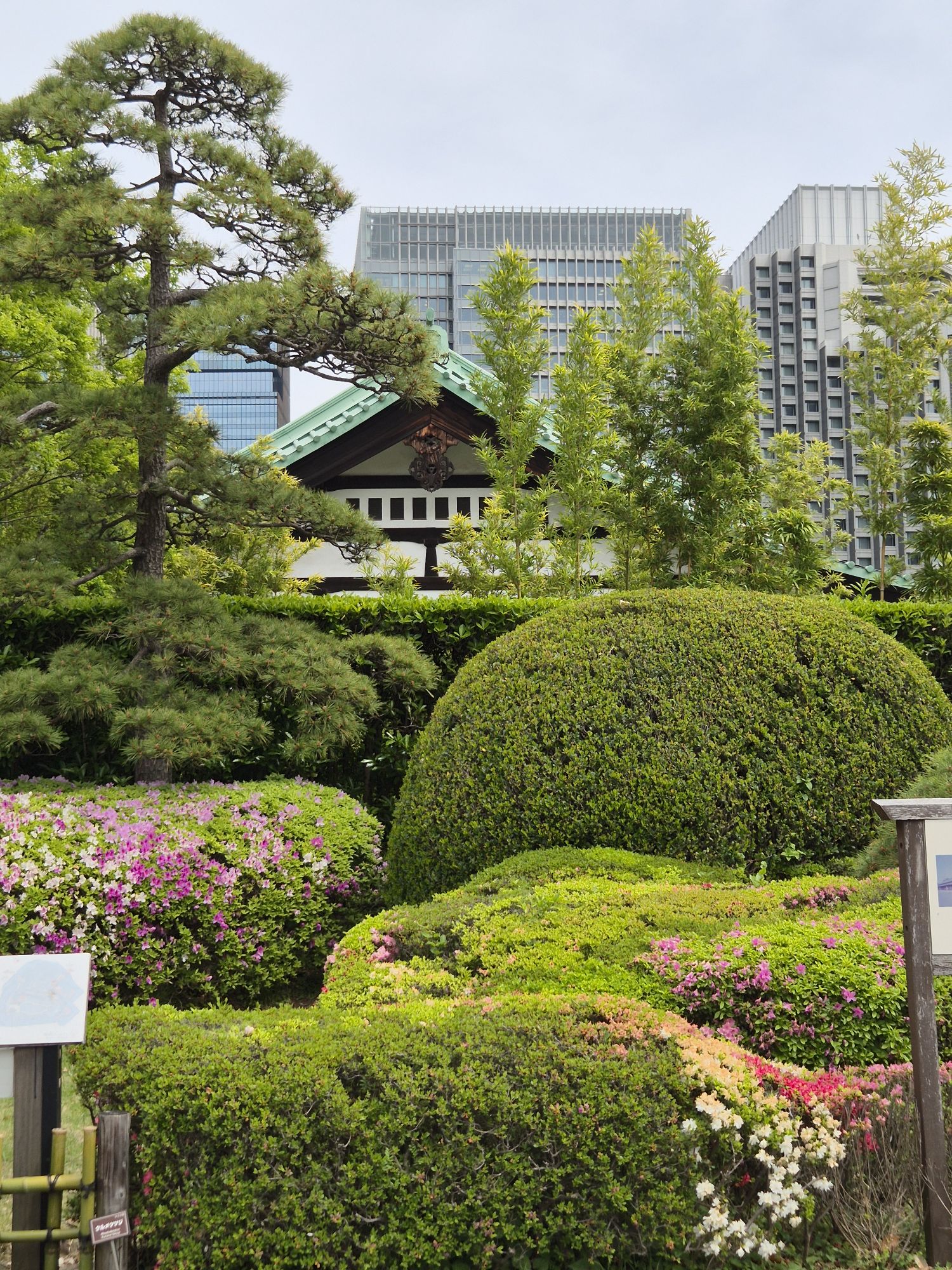
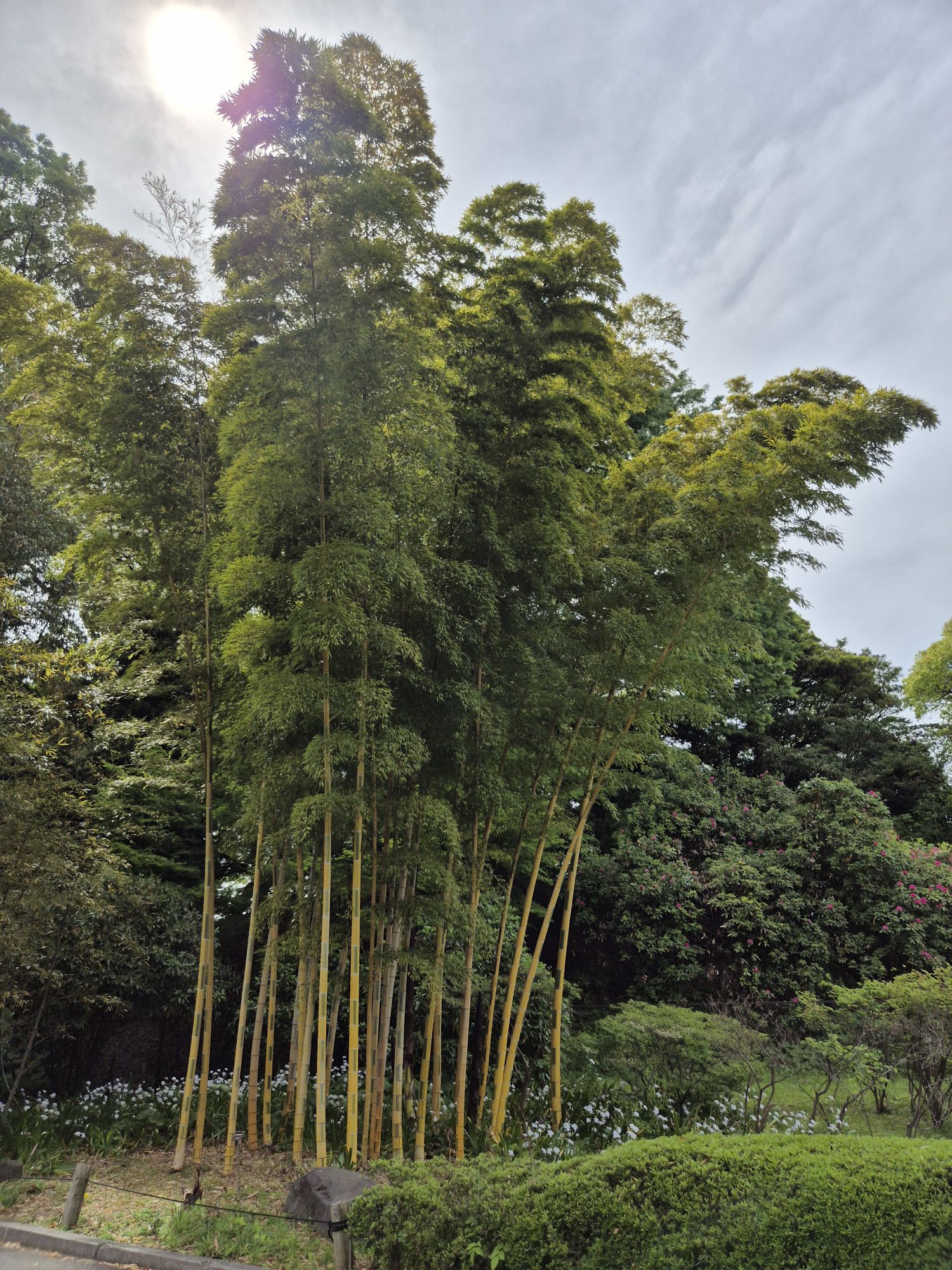
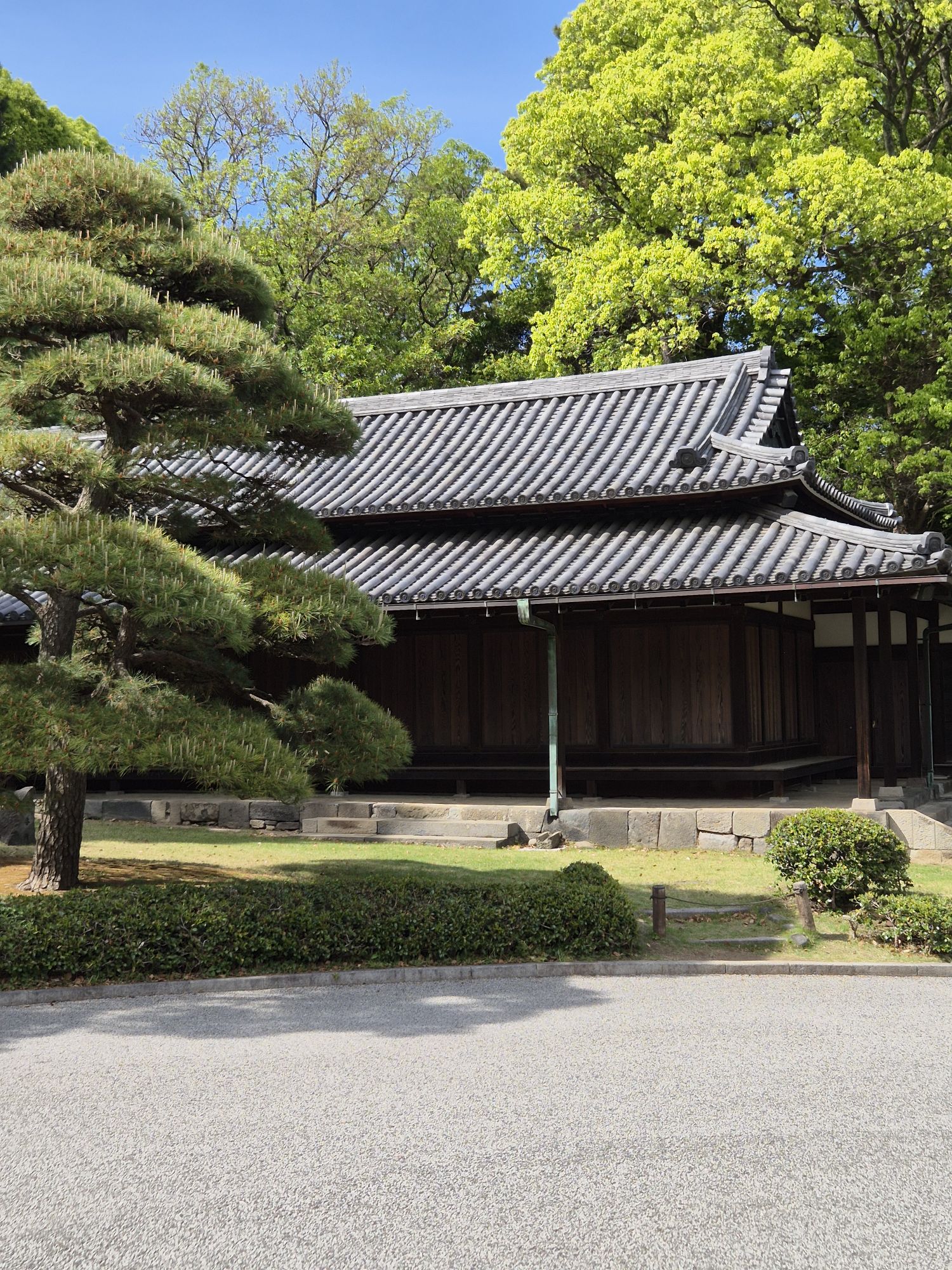
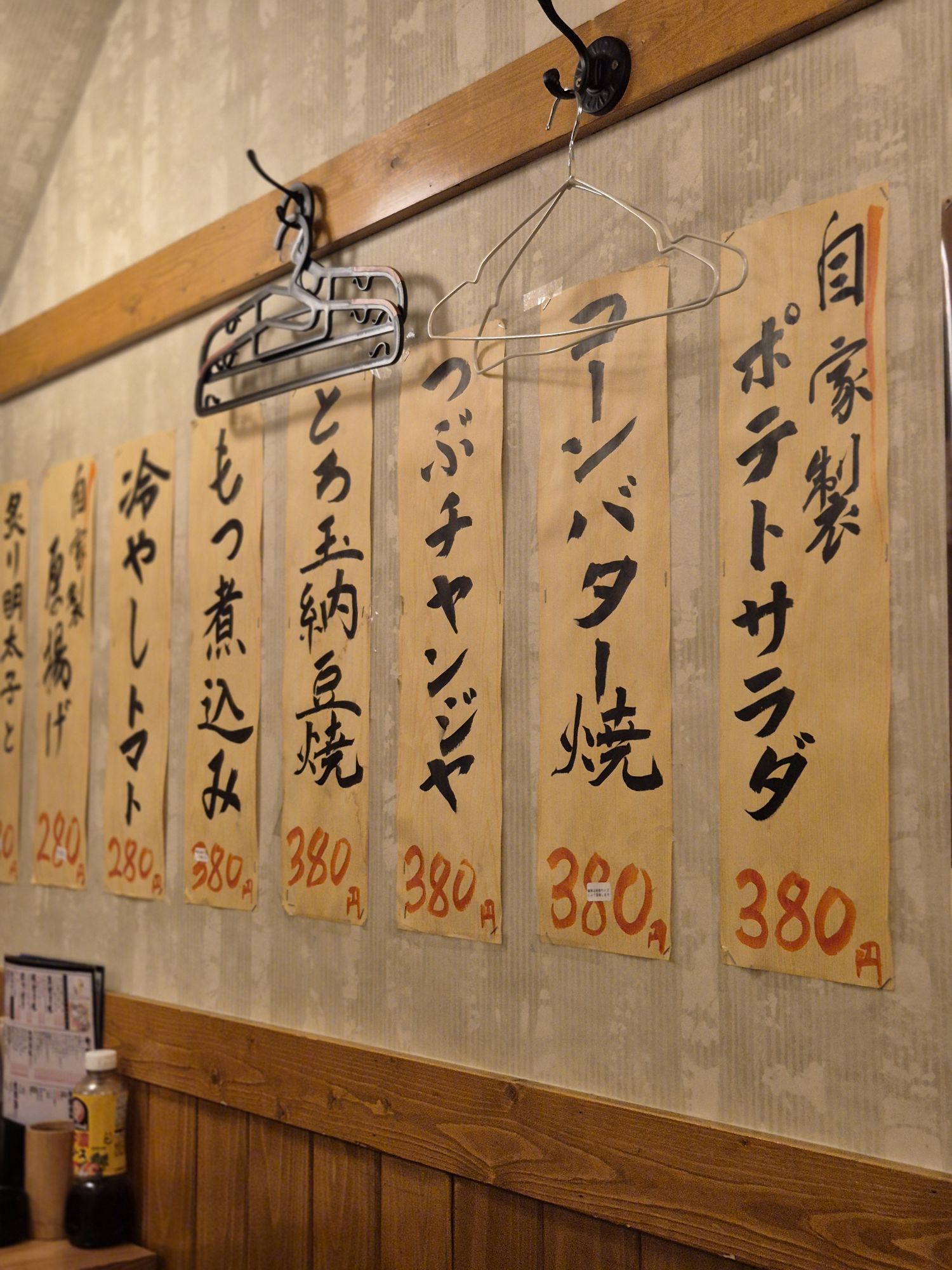
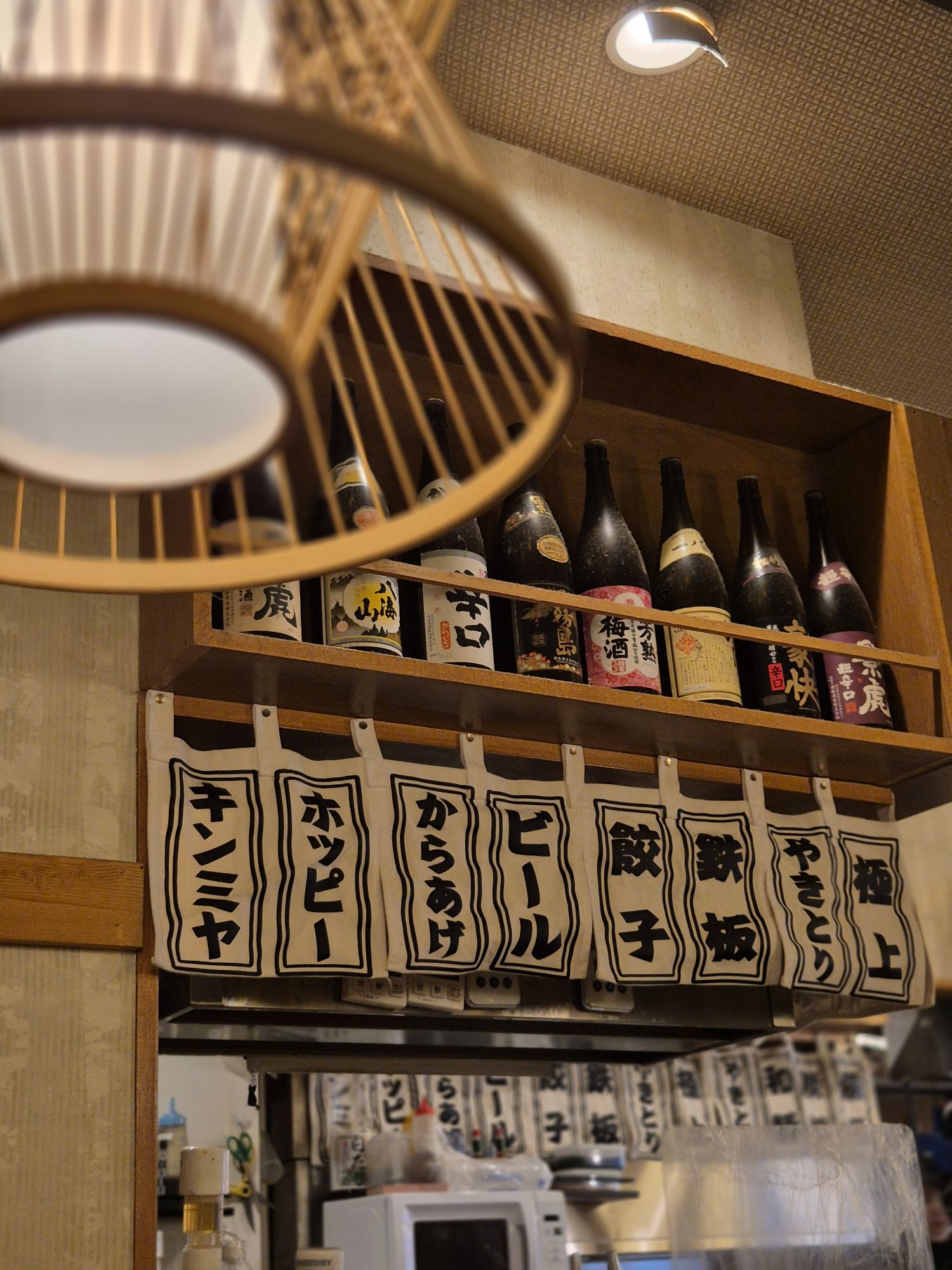
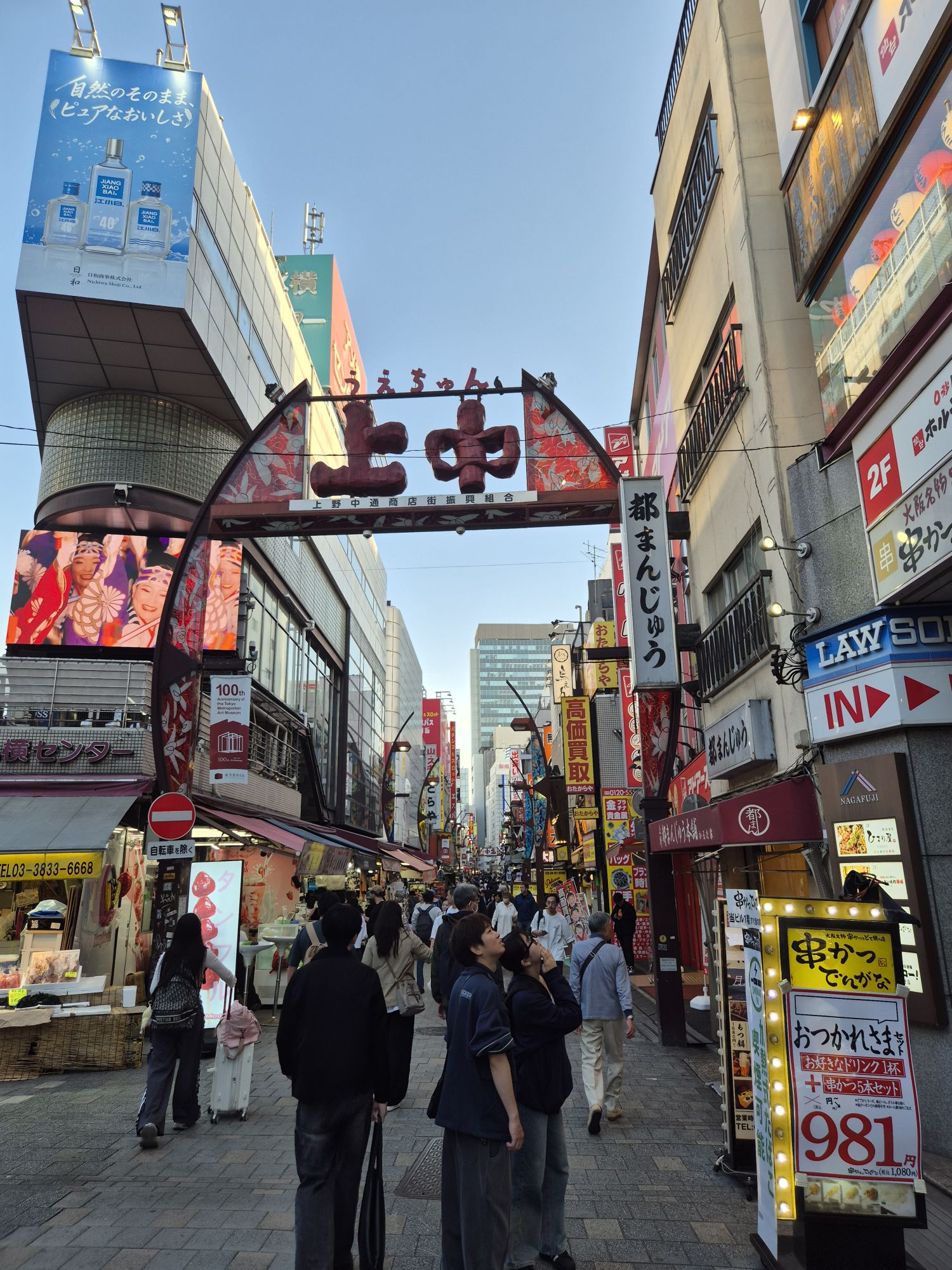
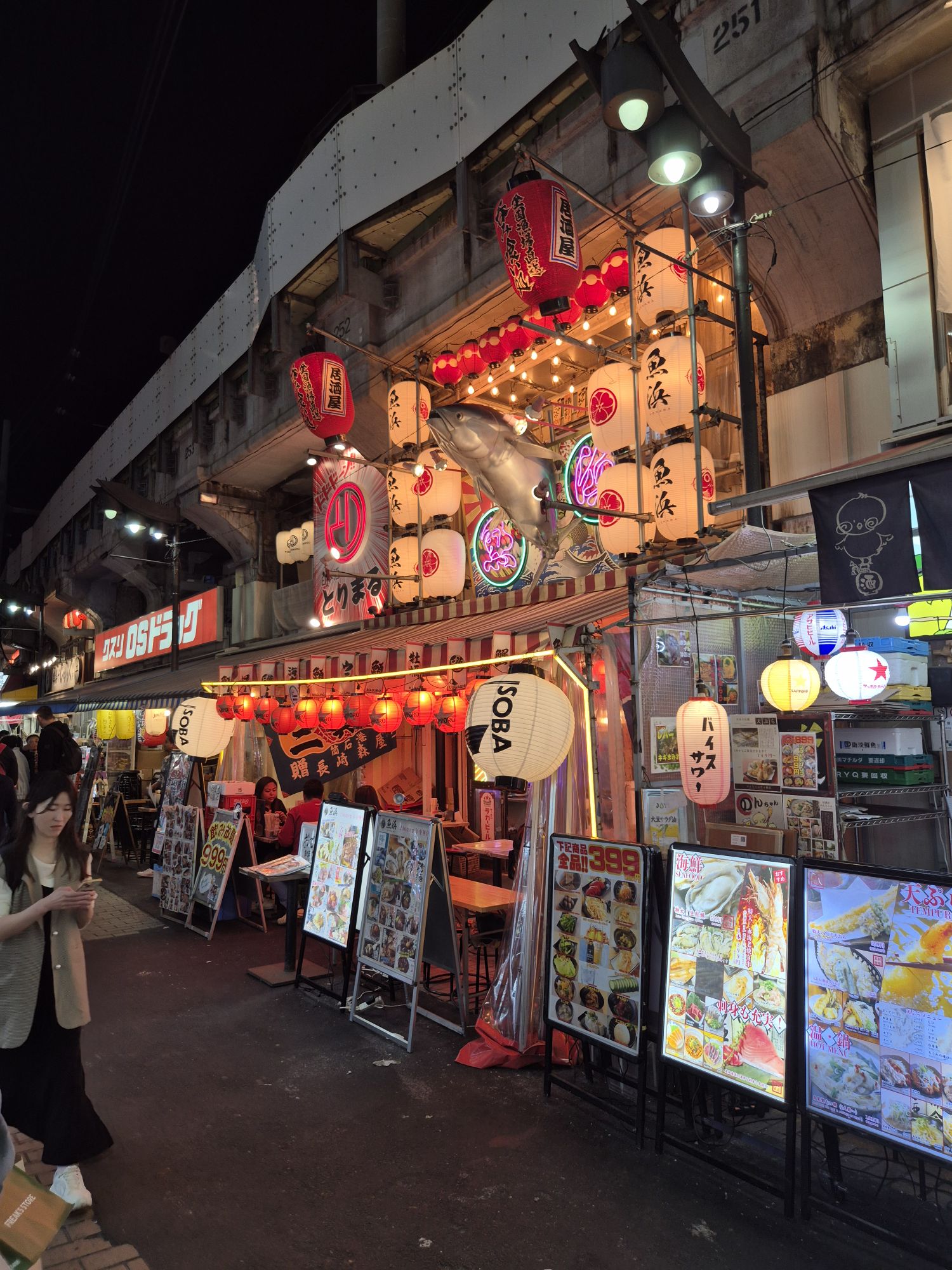
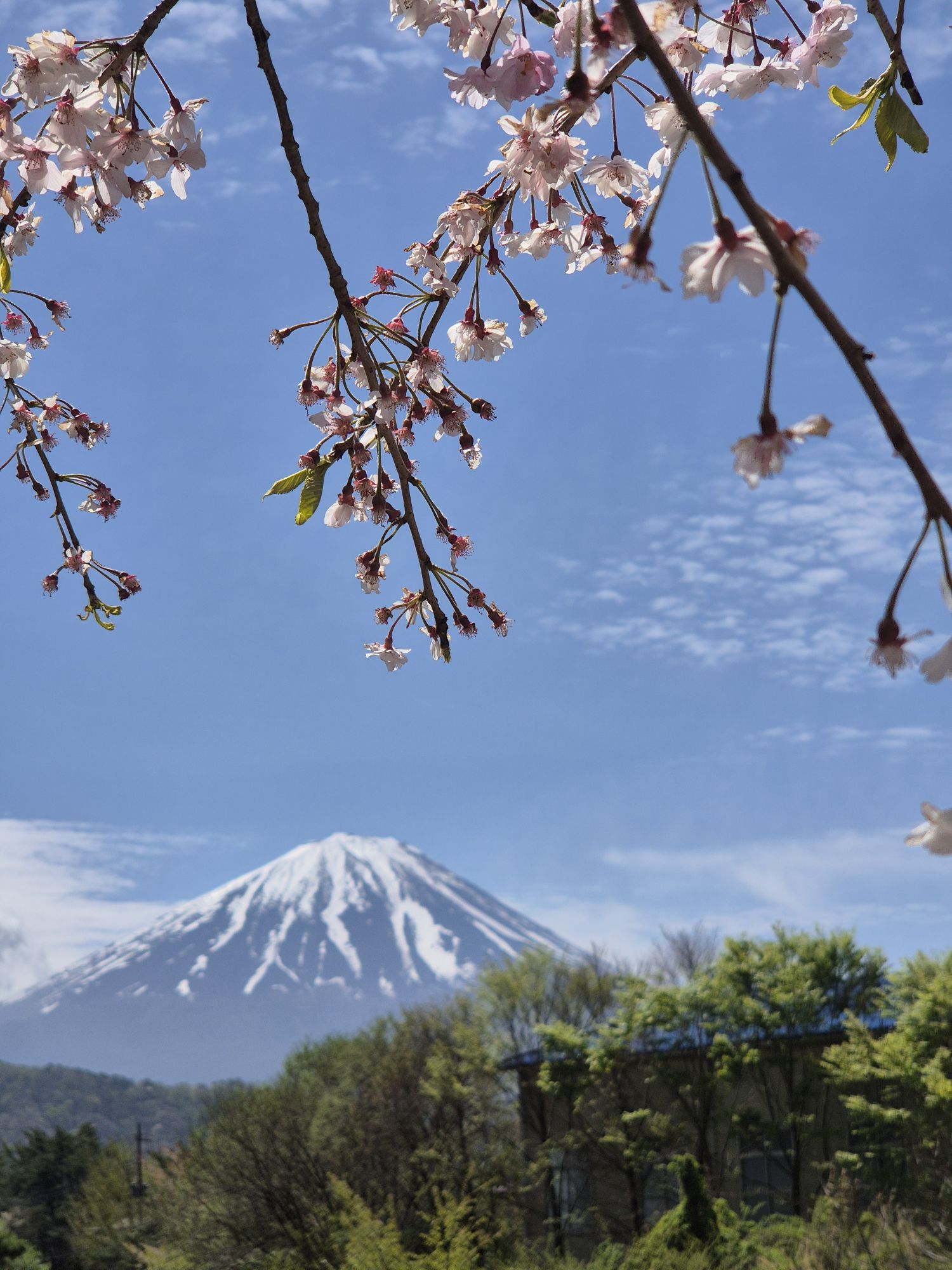
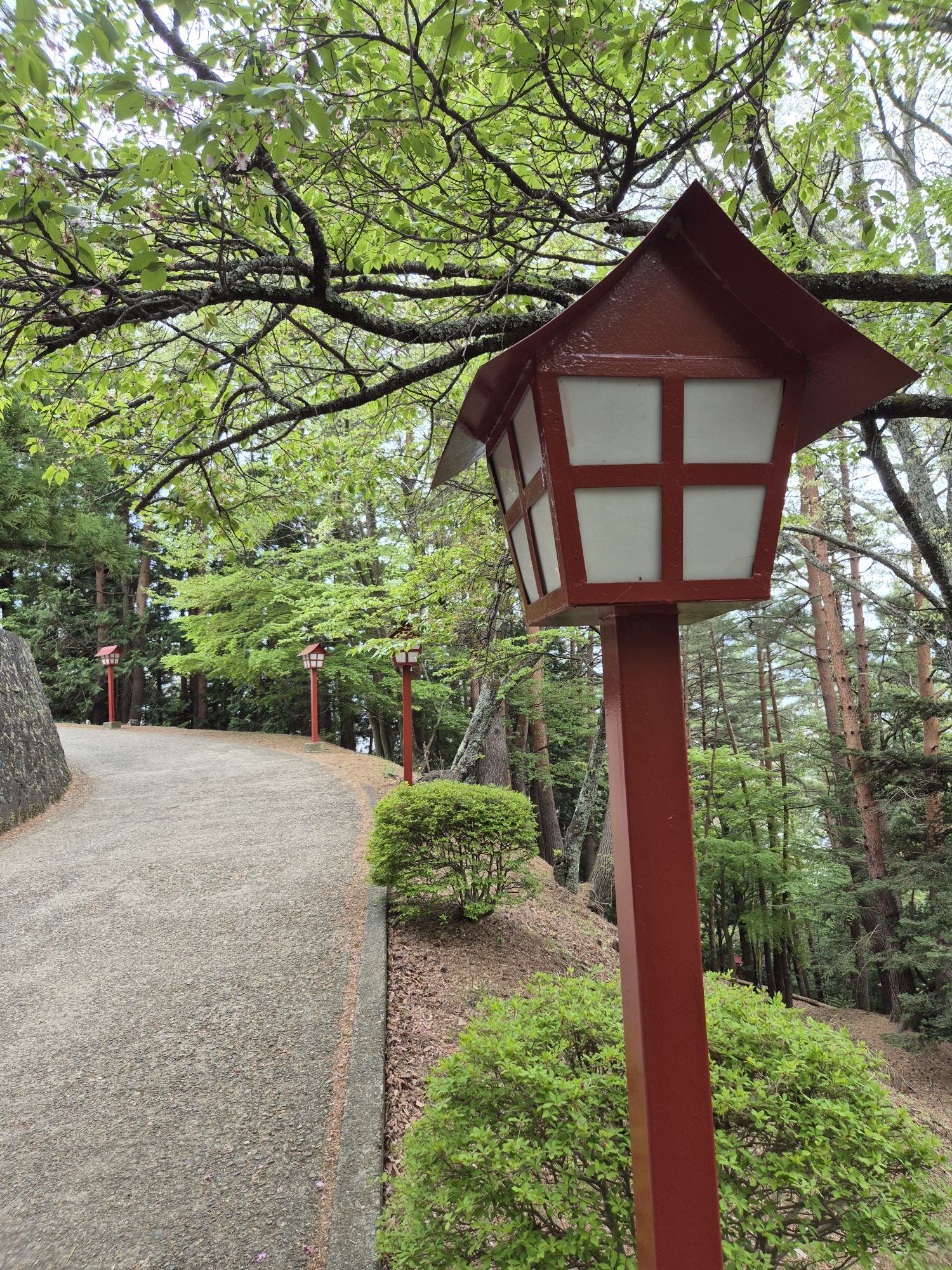
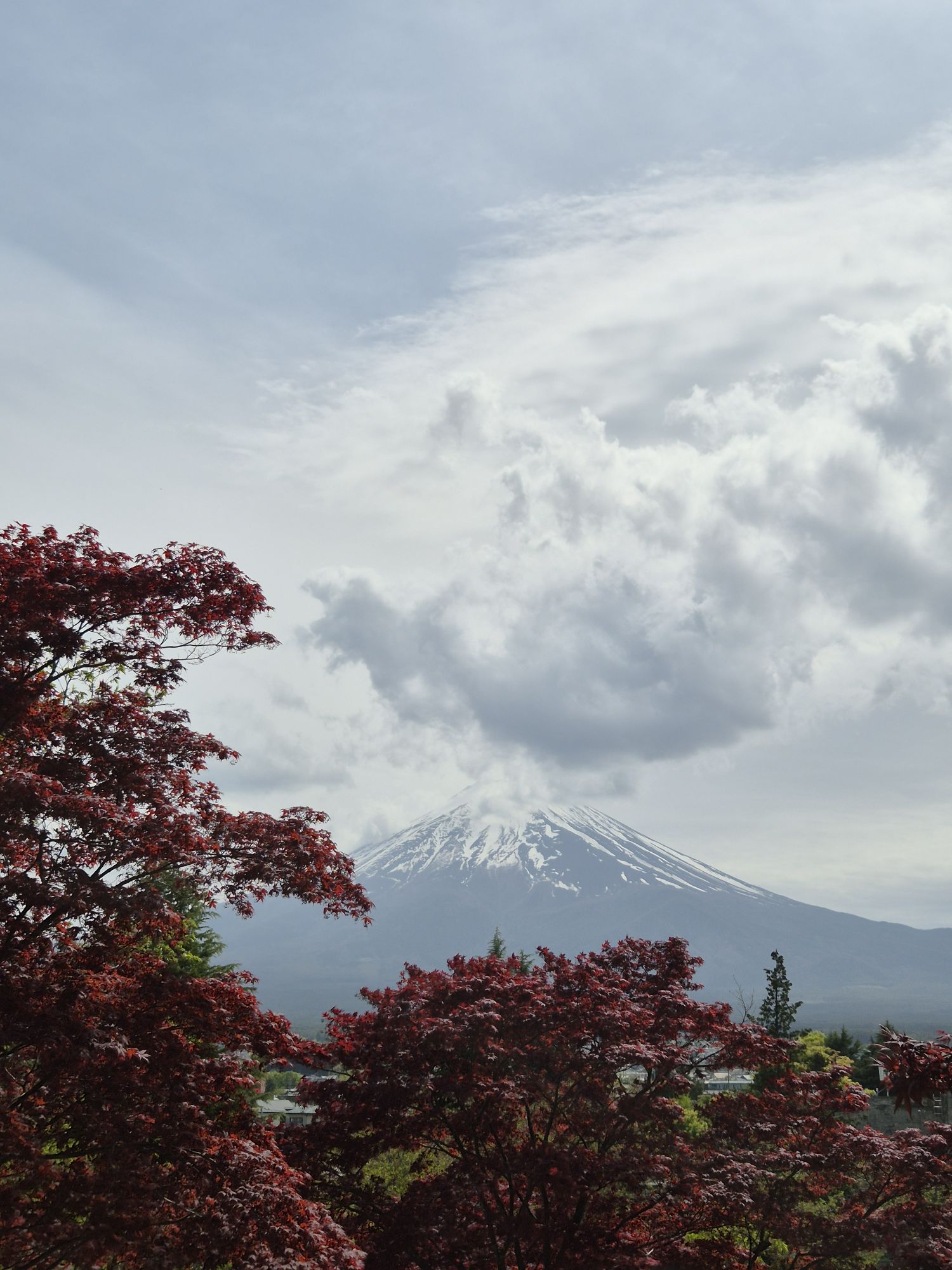
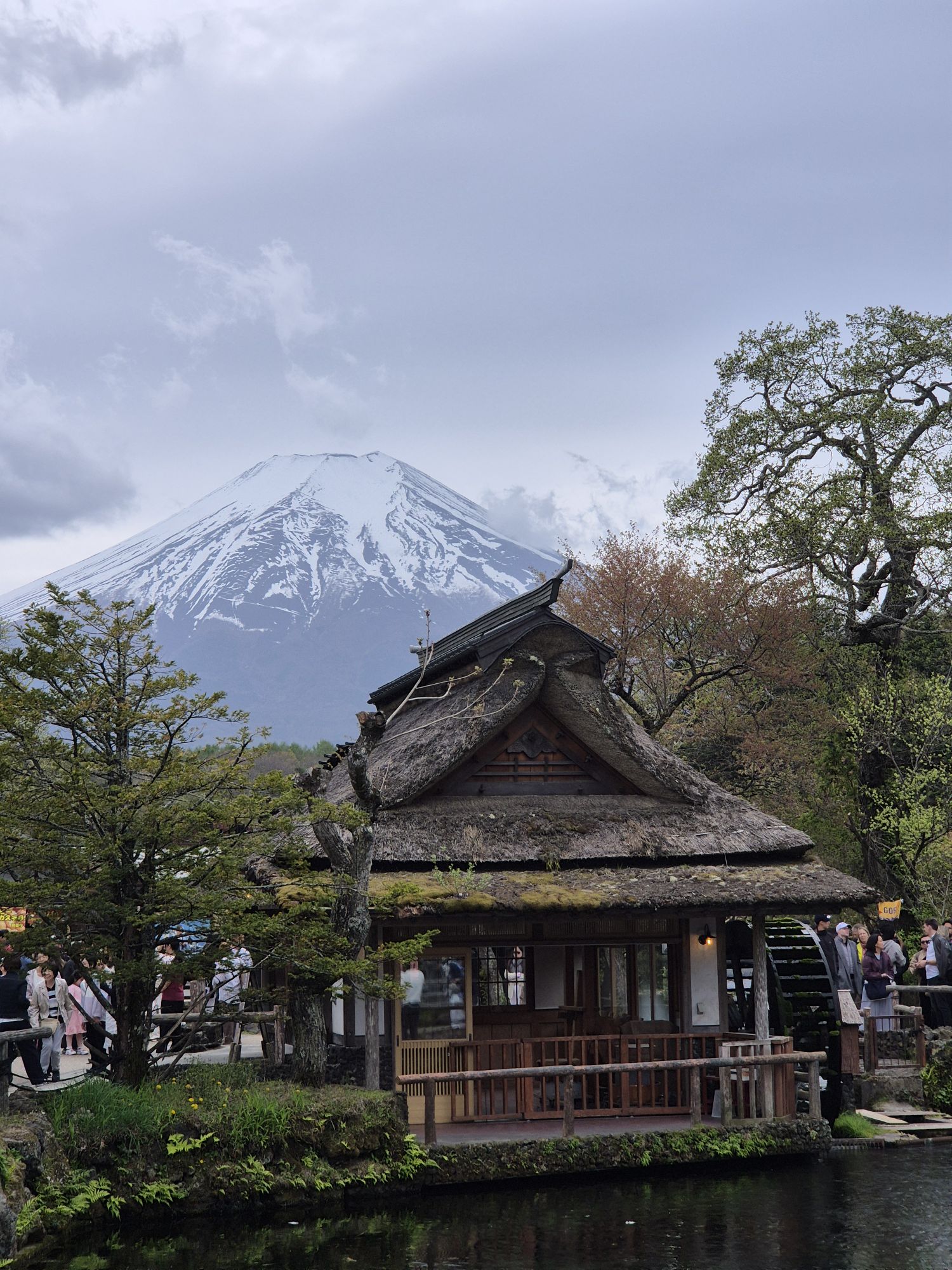
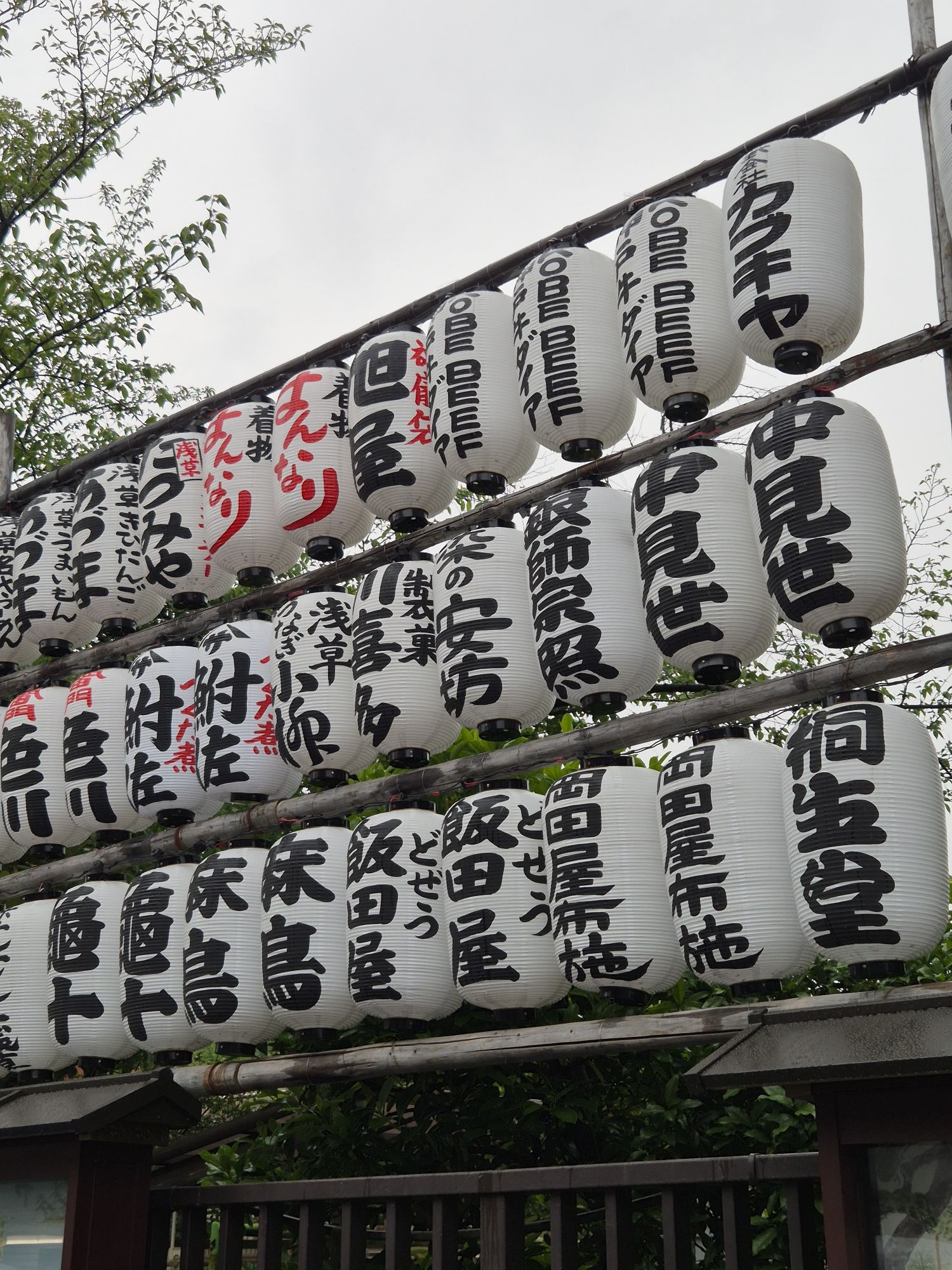
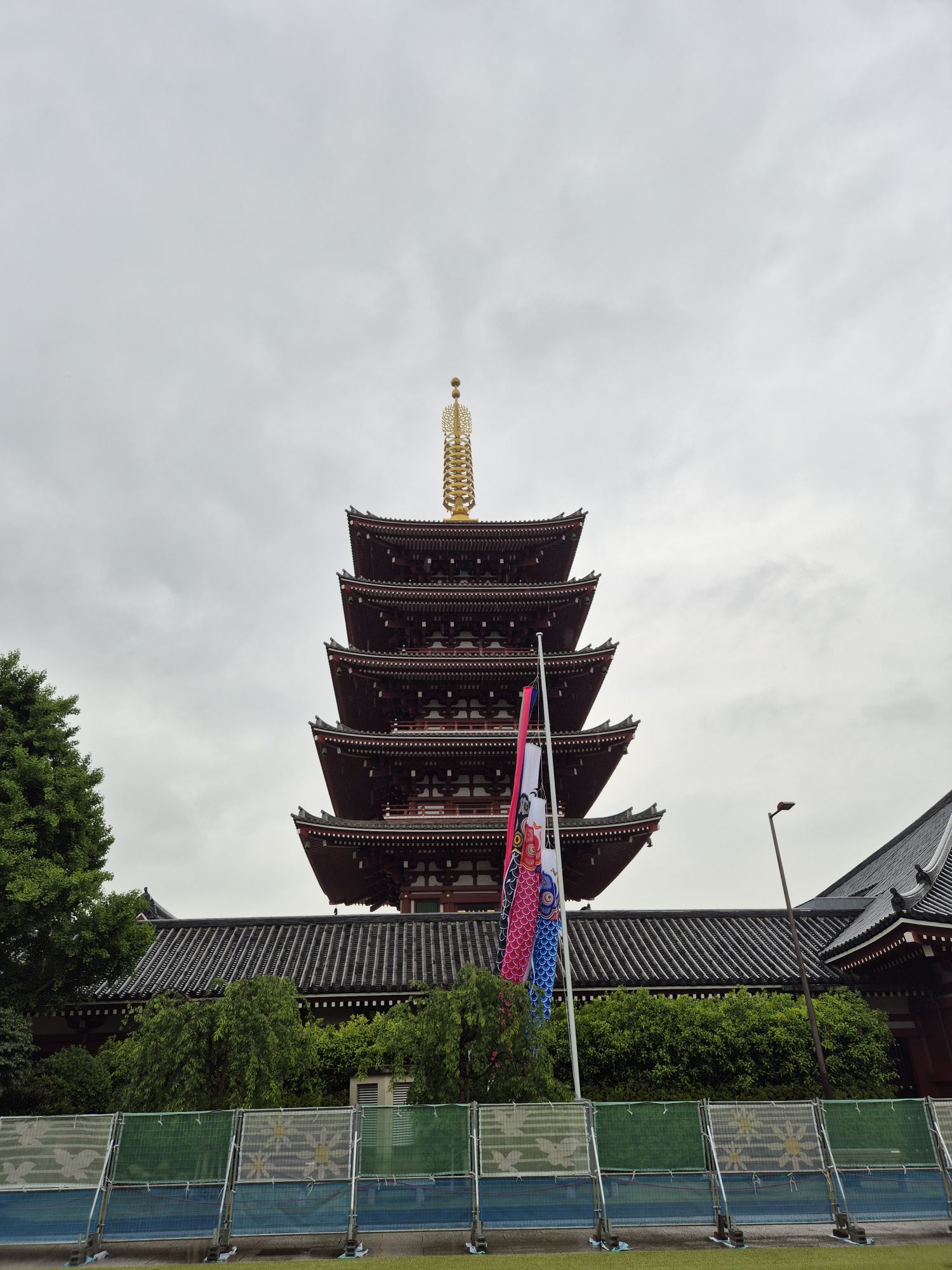
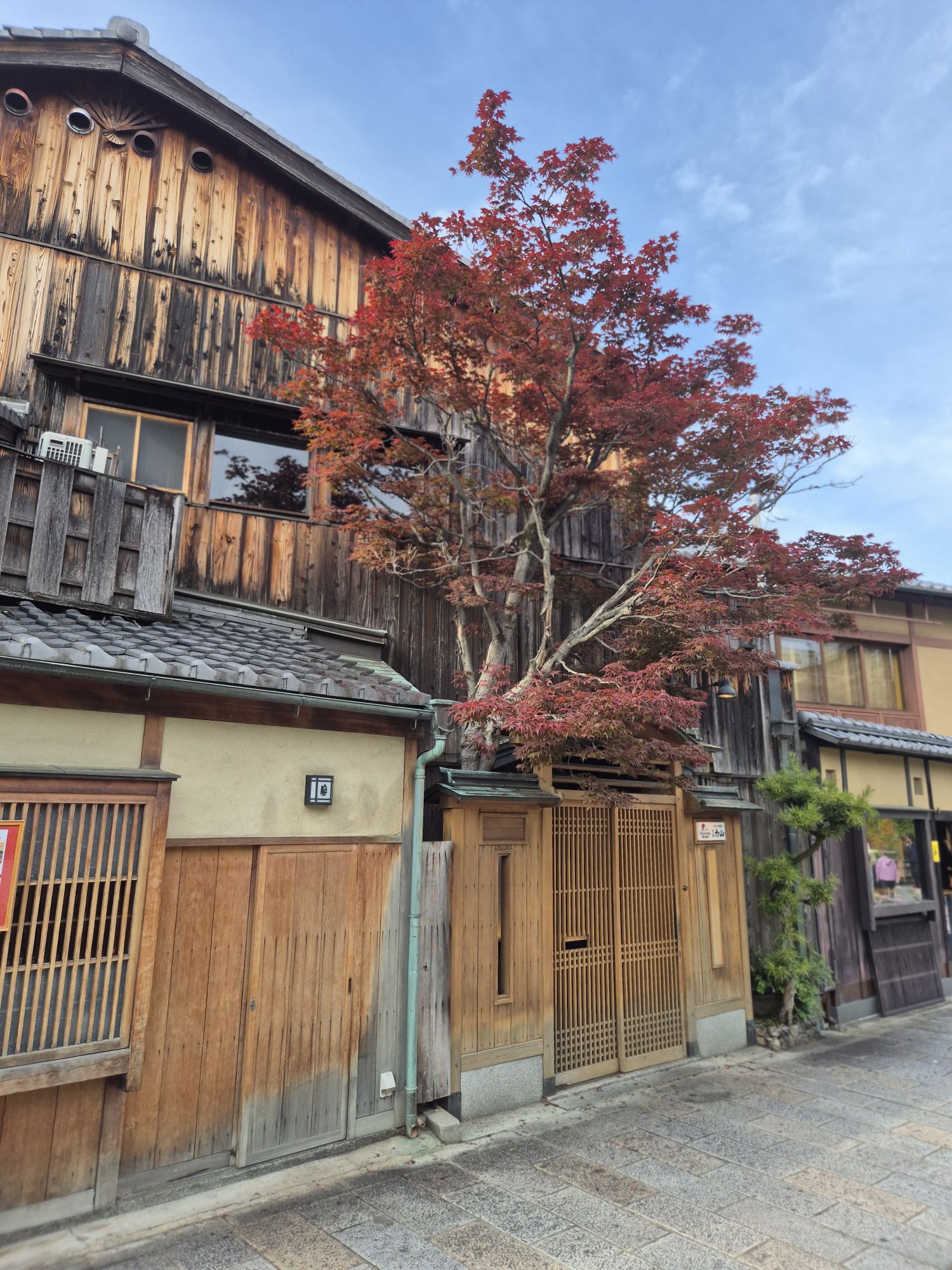
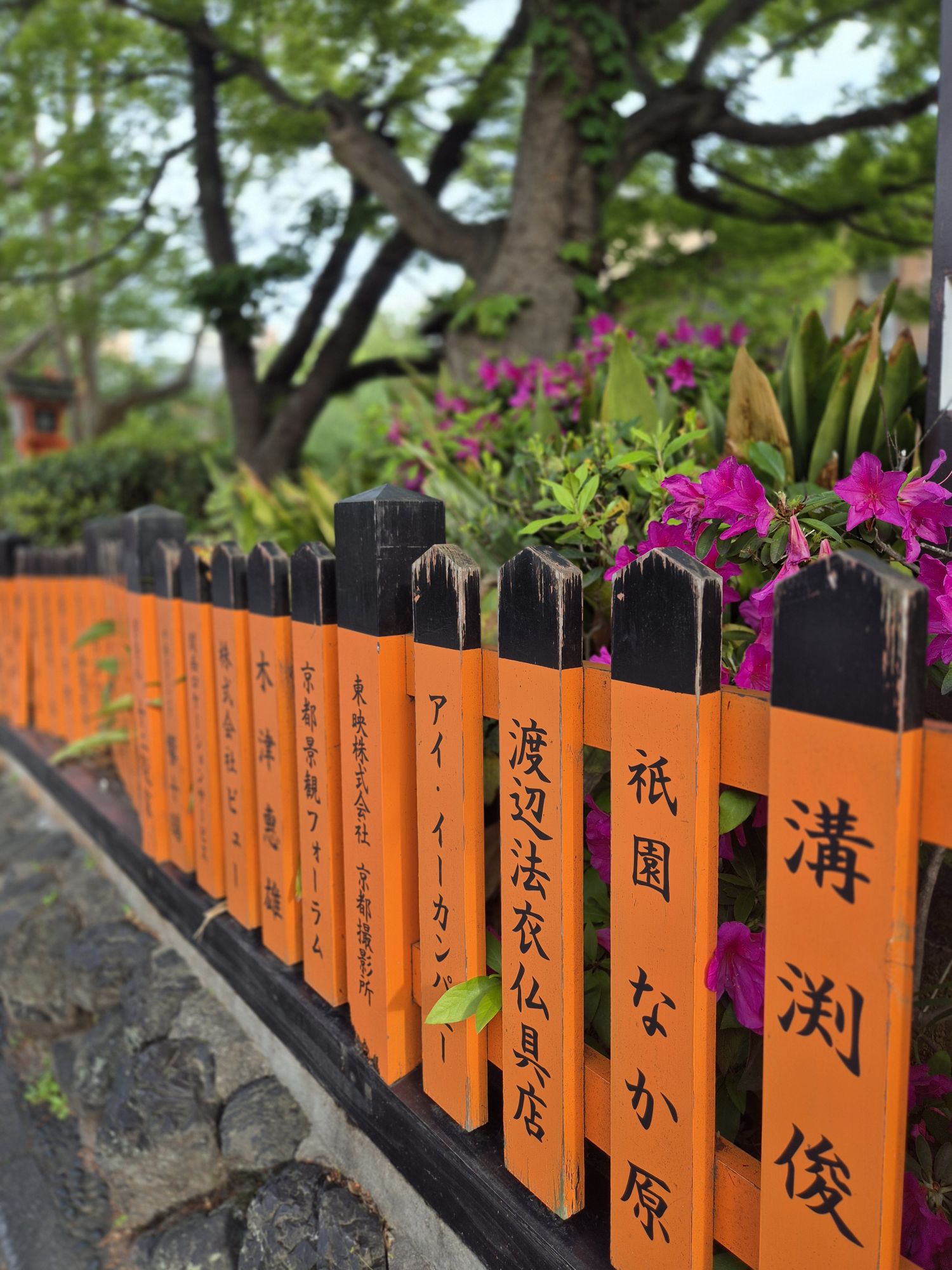
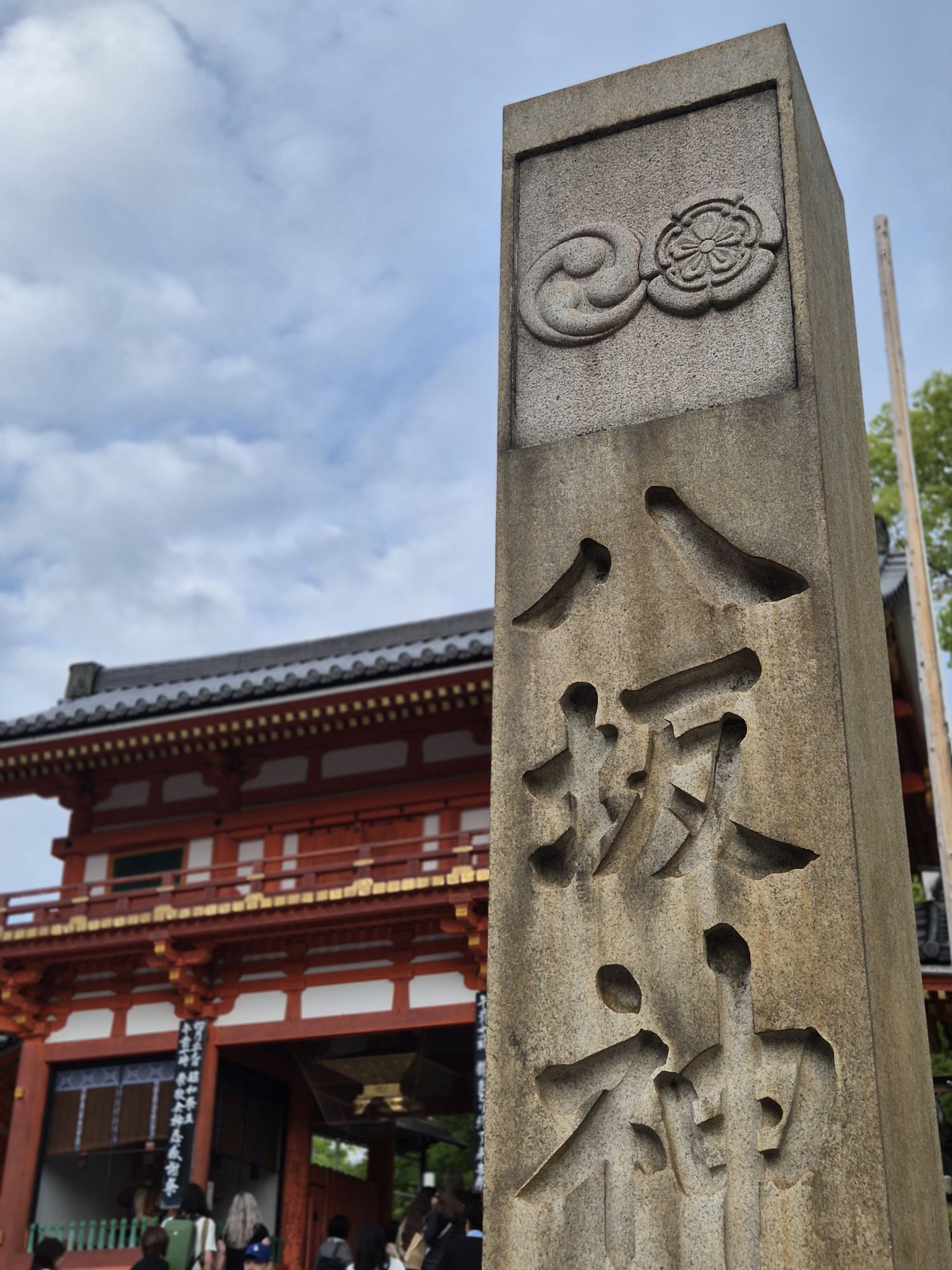
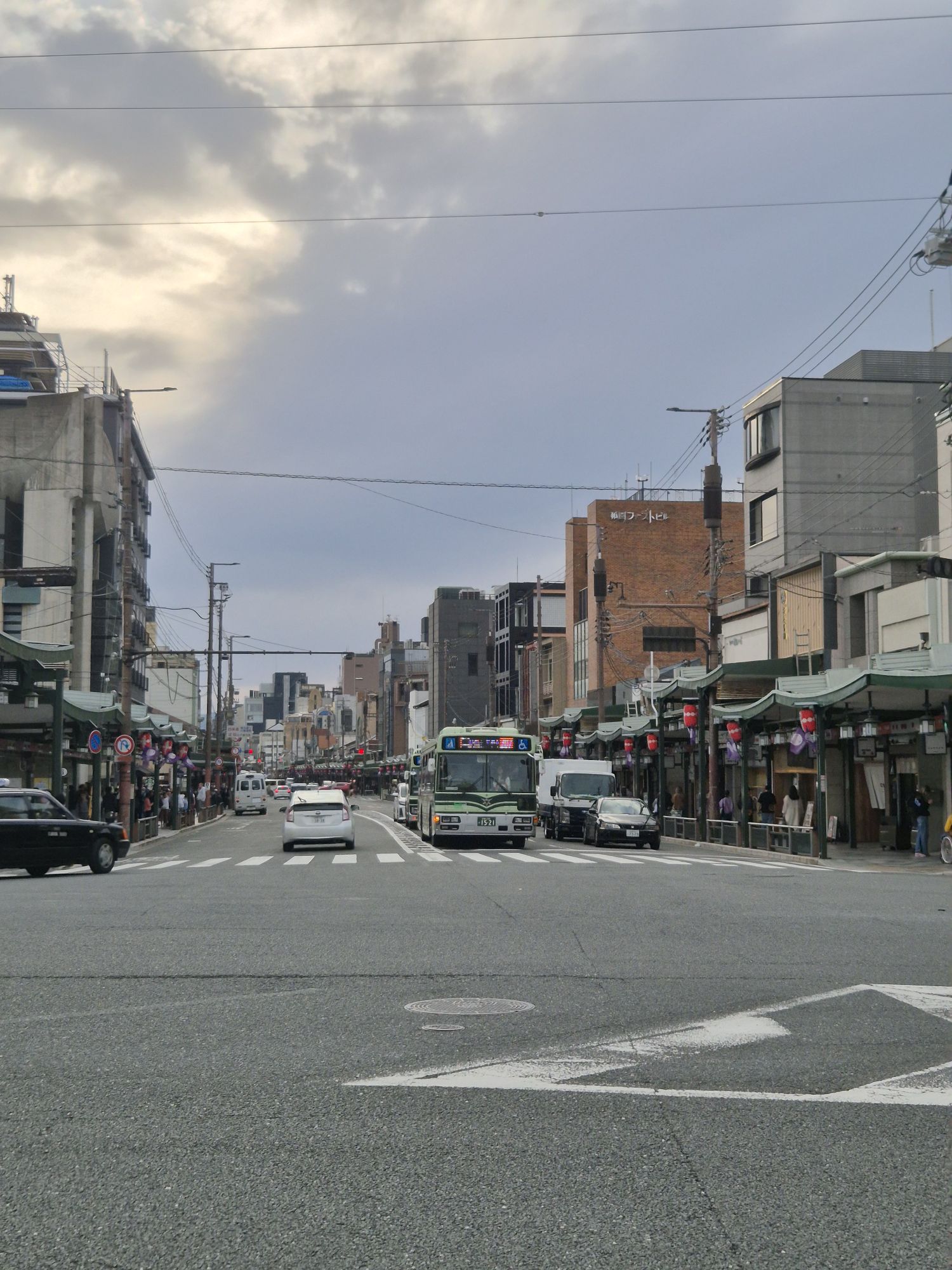
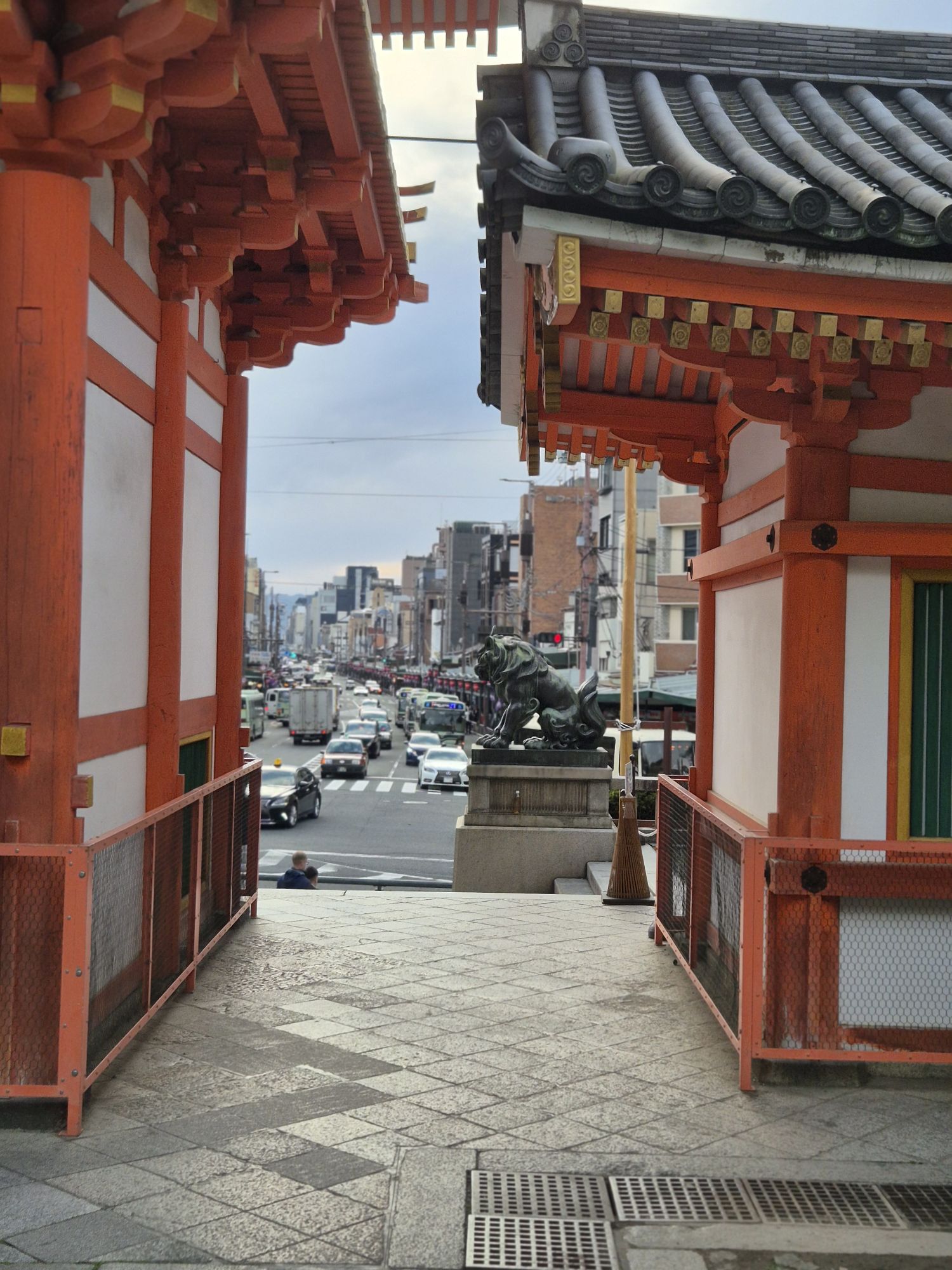
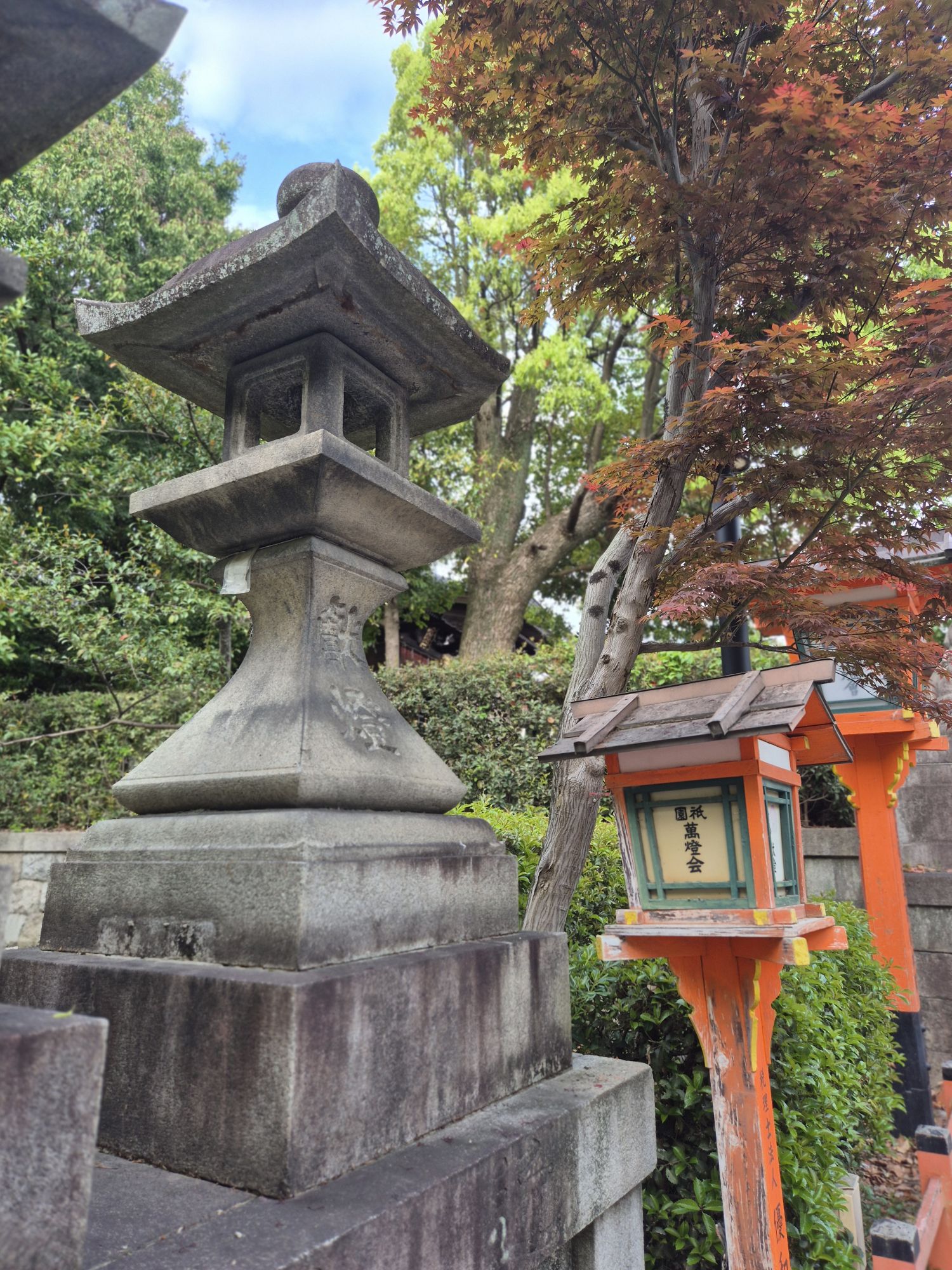
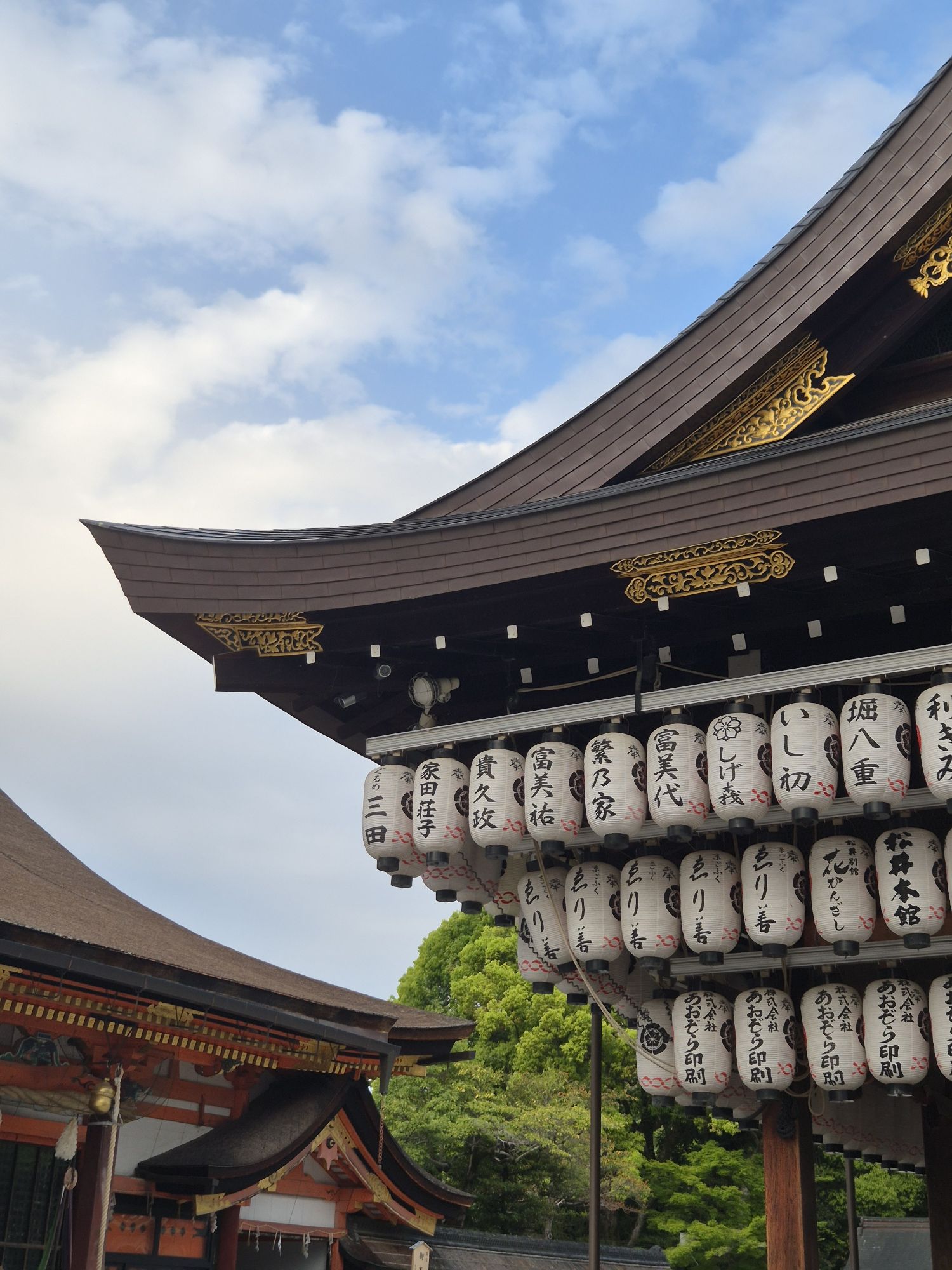
Copyrighted photographs by GJ Media Production
Kyoto: silence among the temples
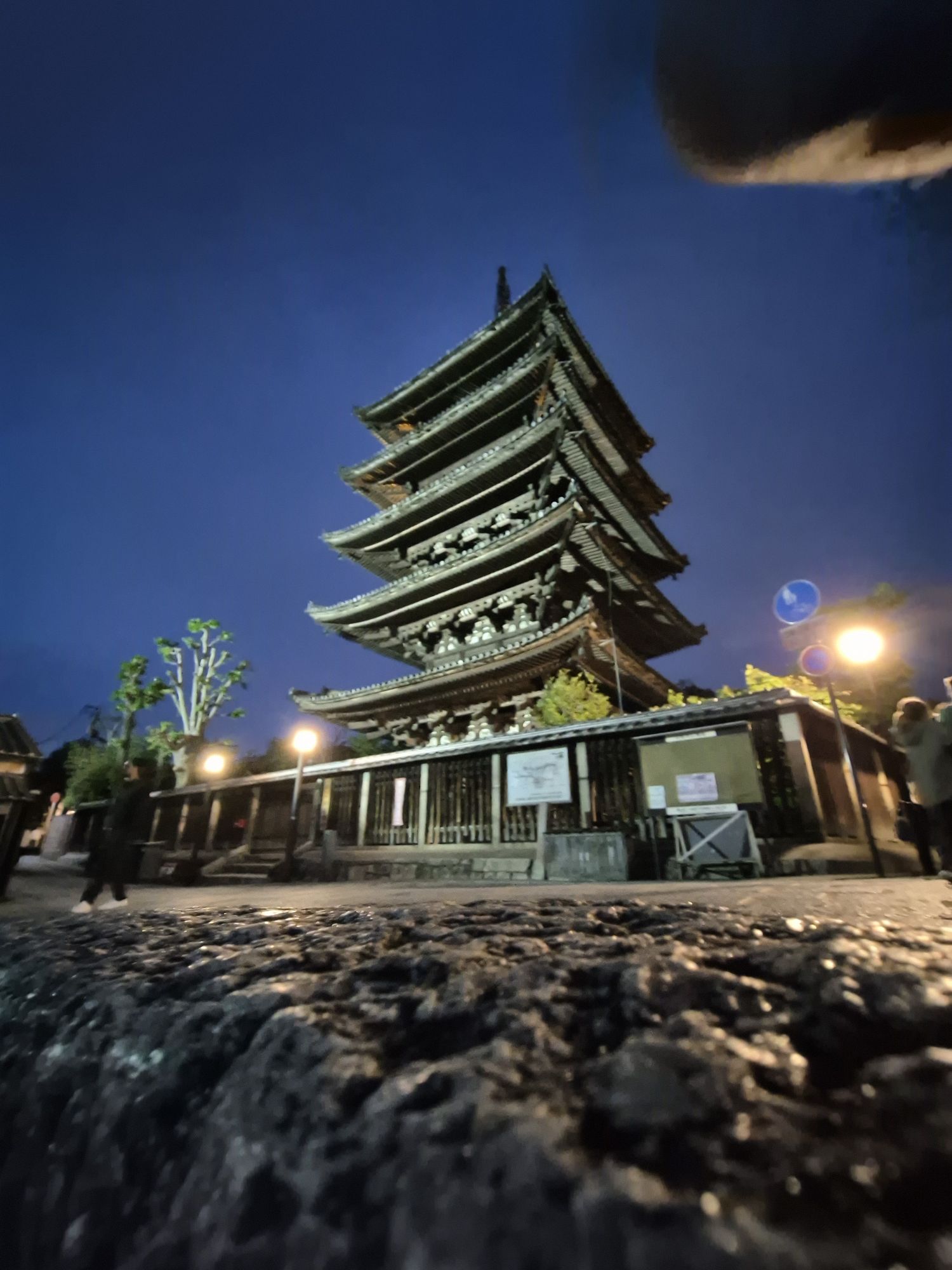
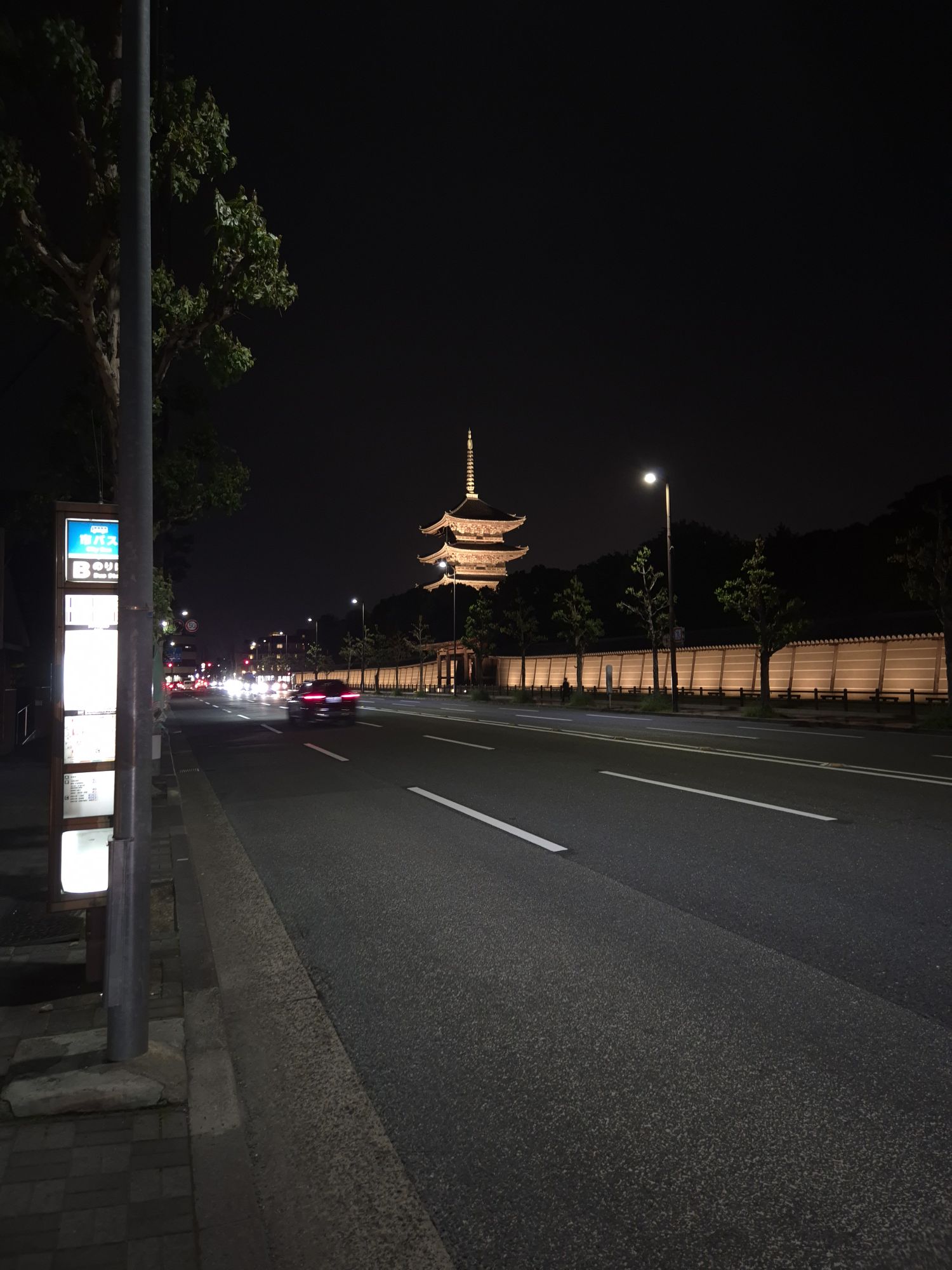
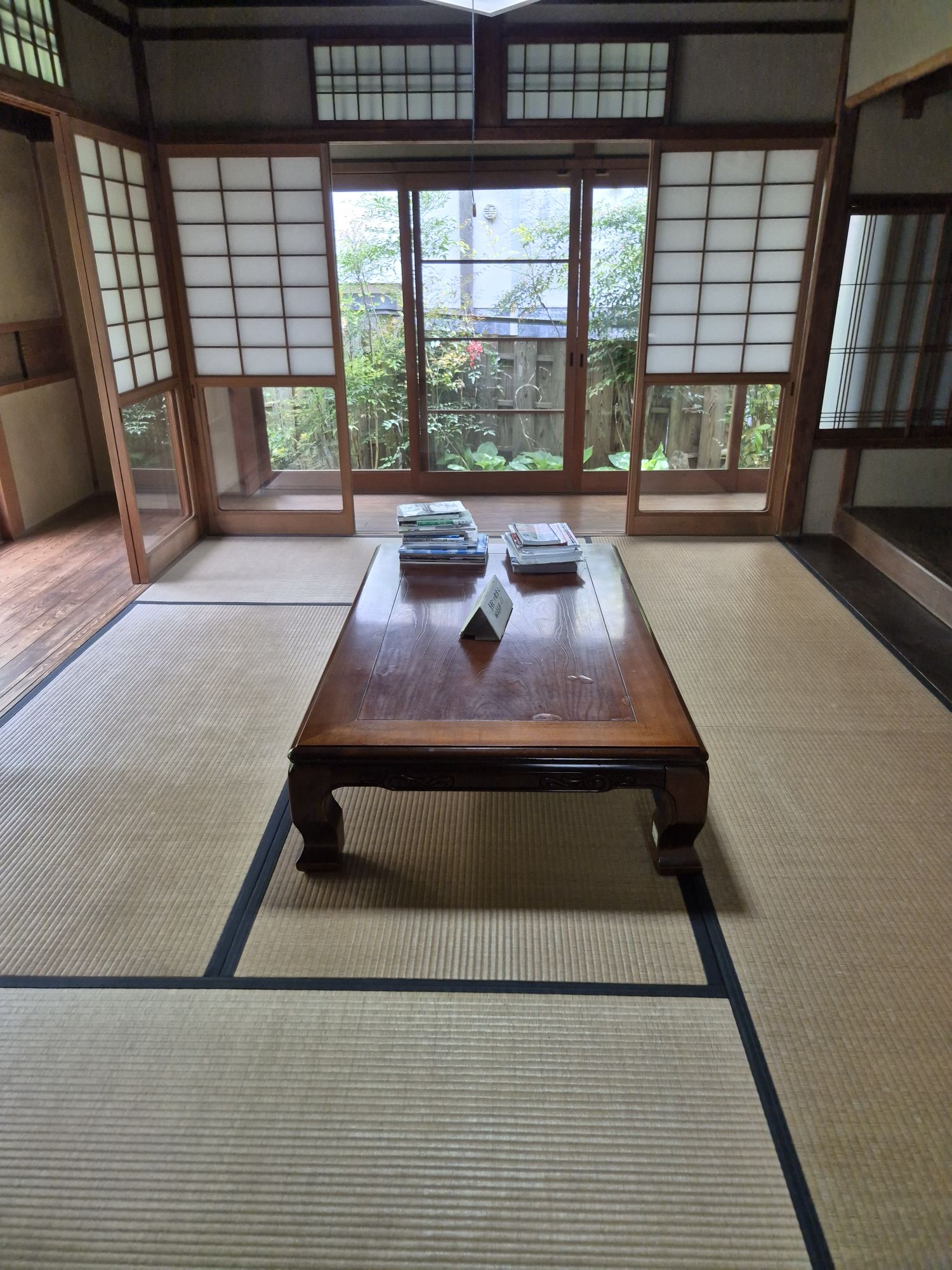
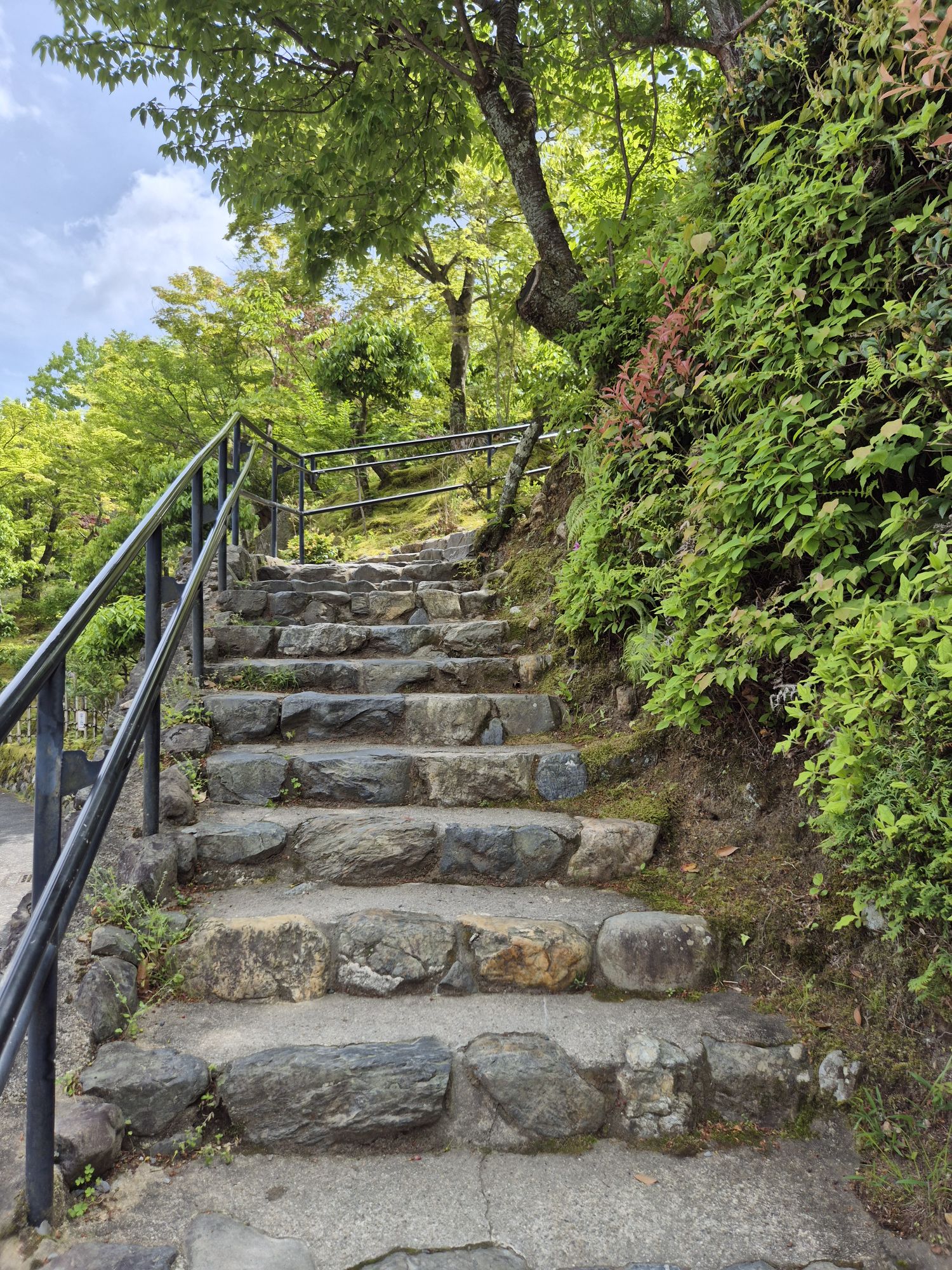
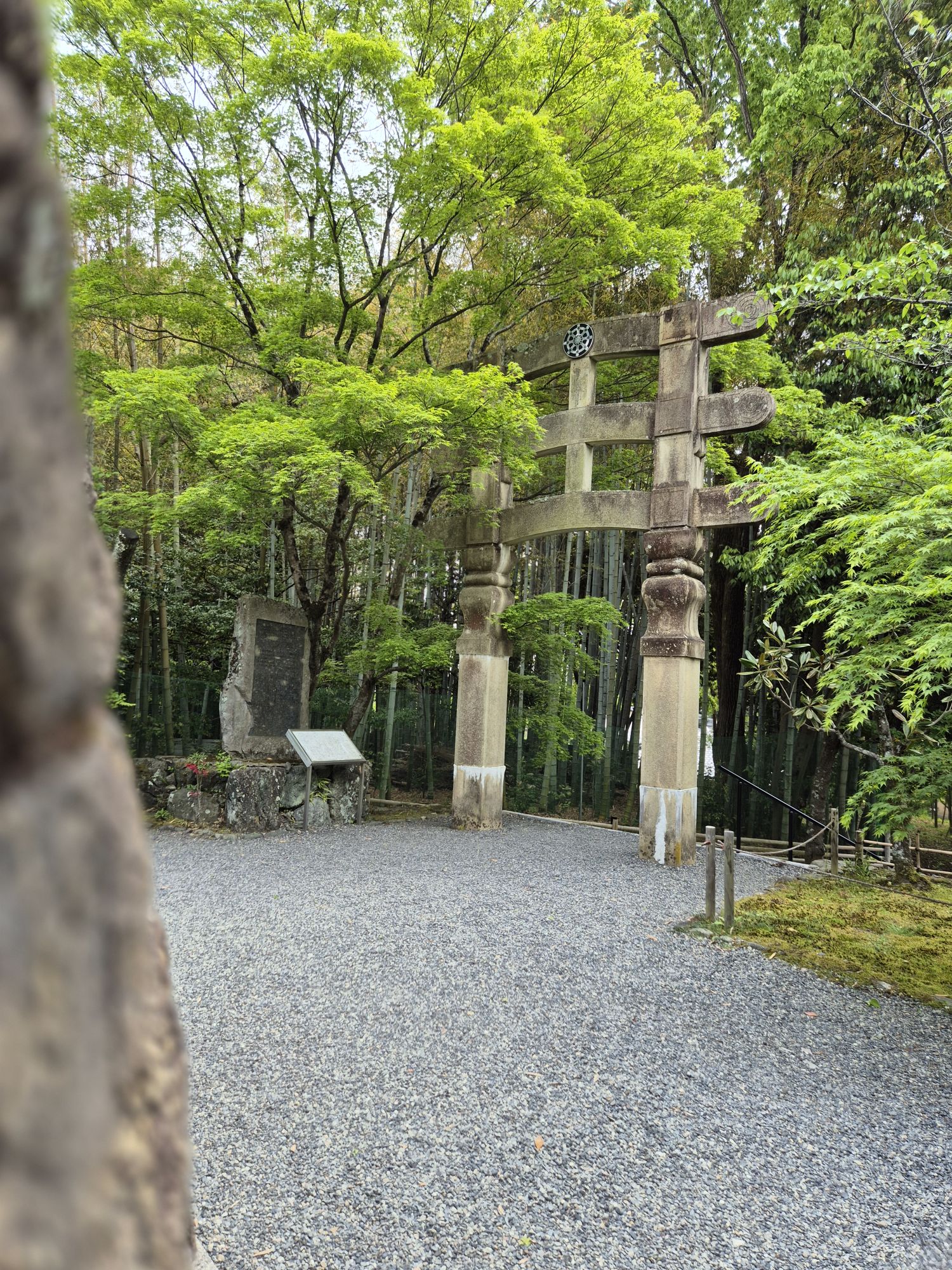
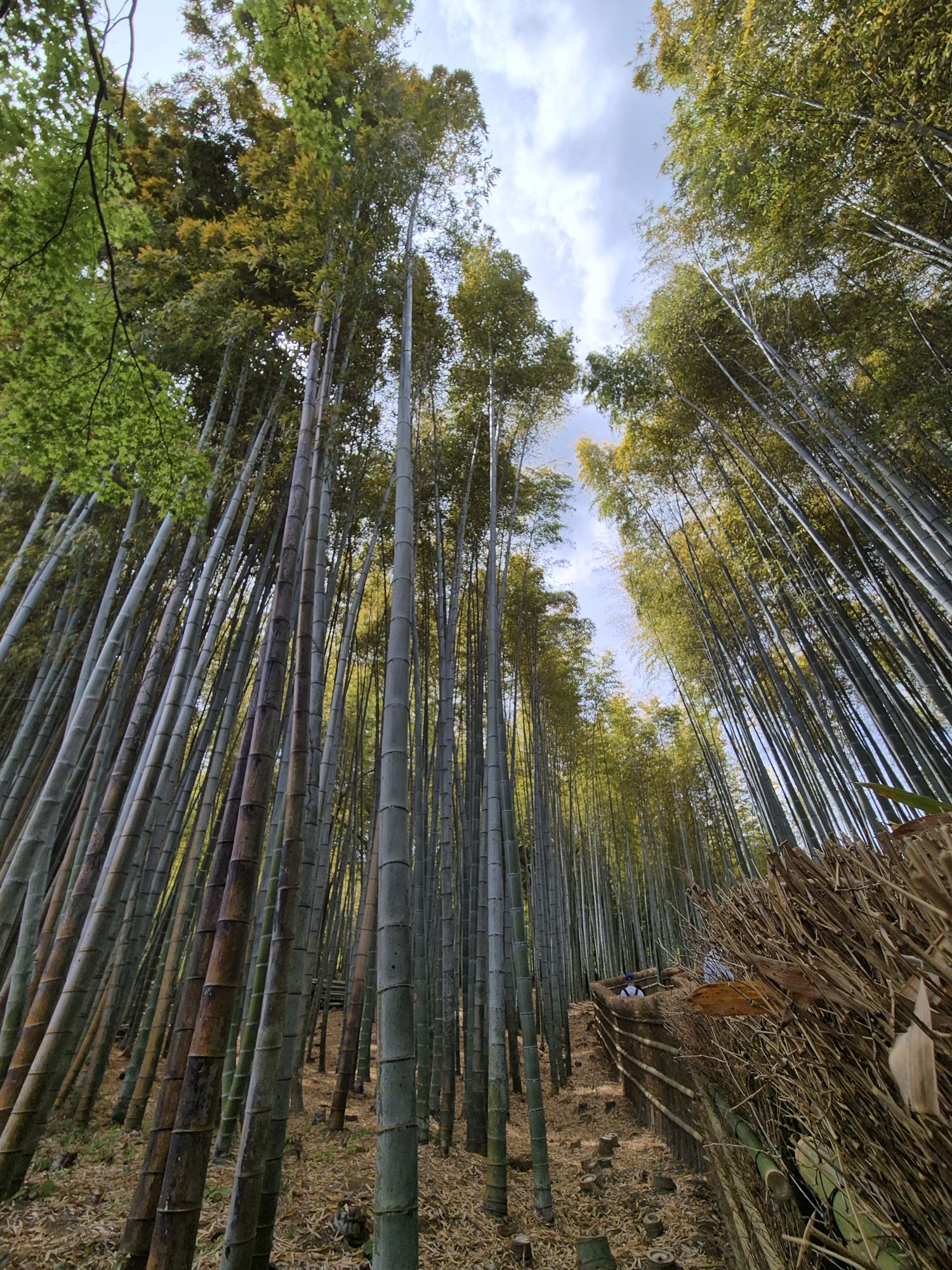
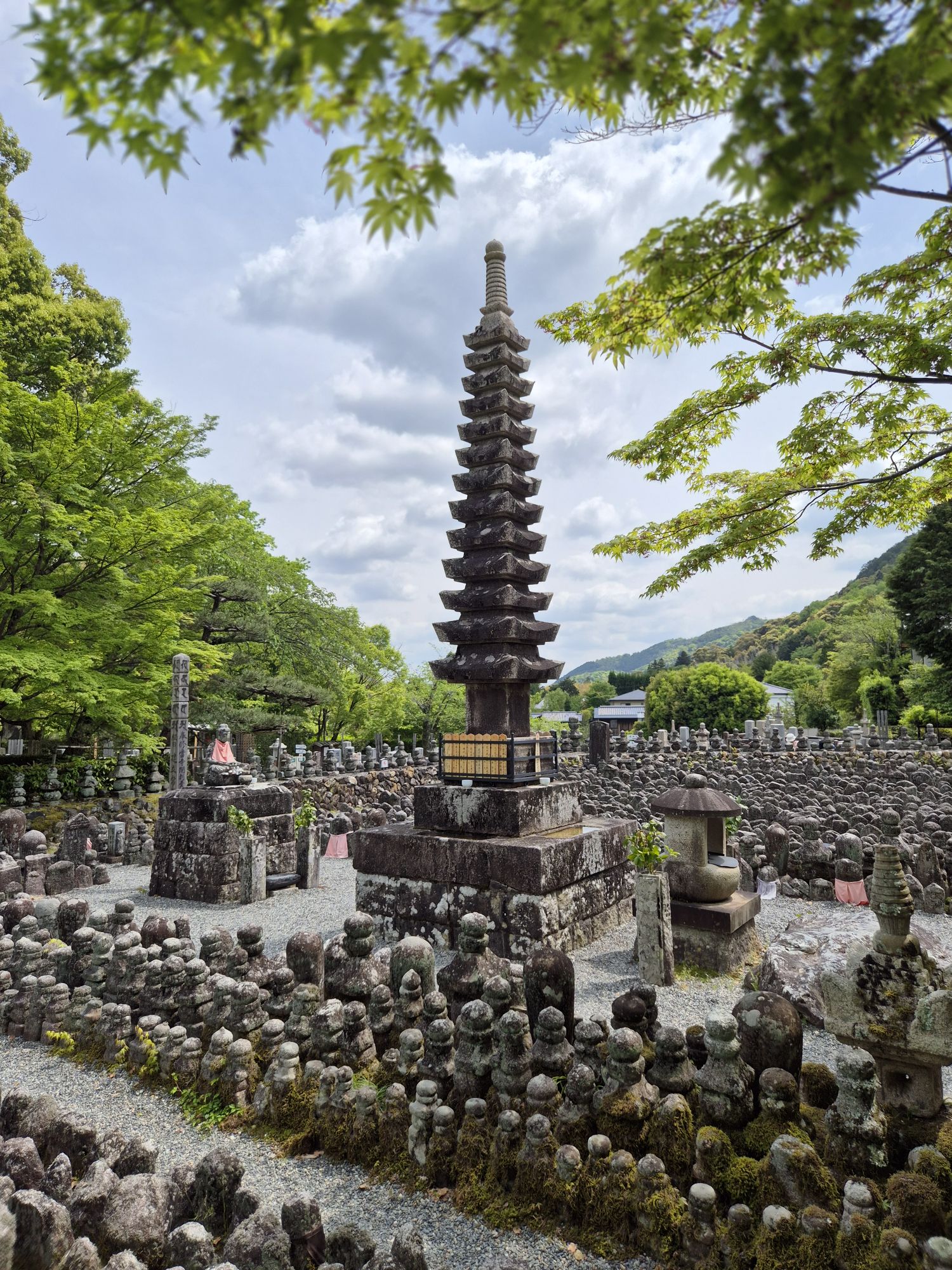
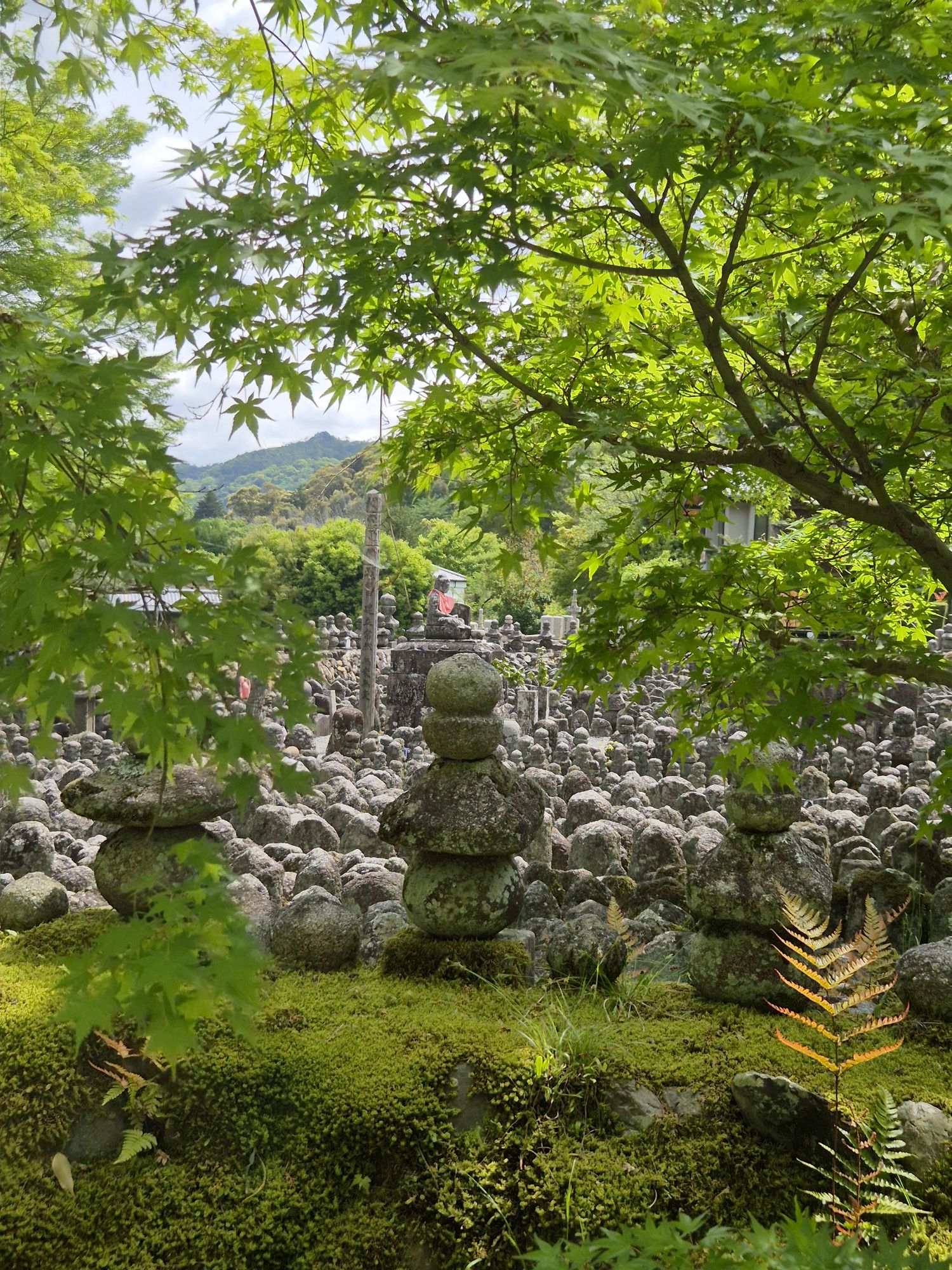
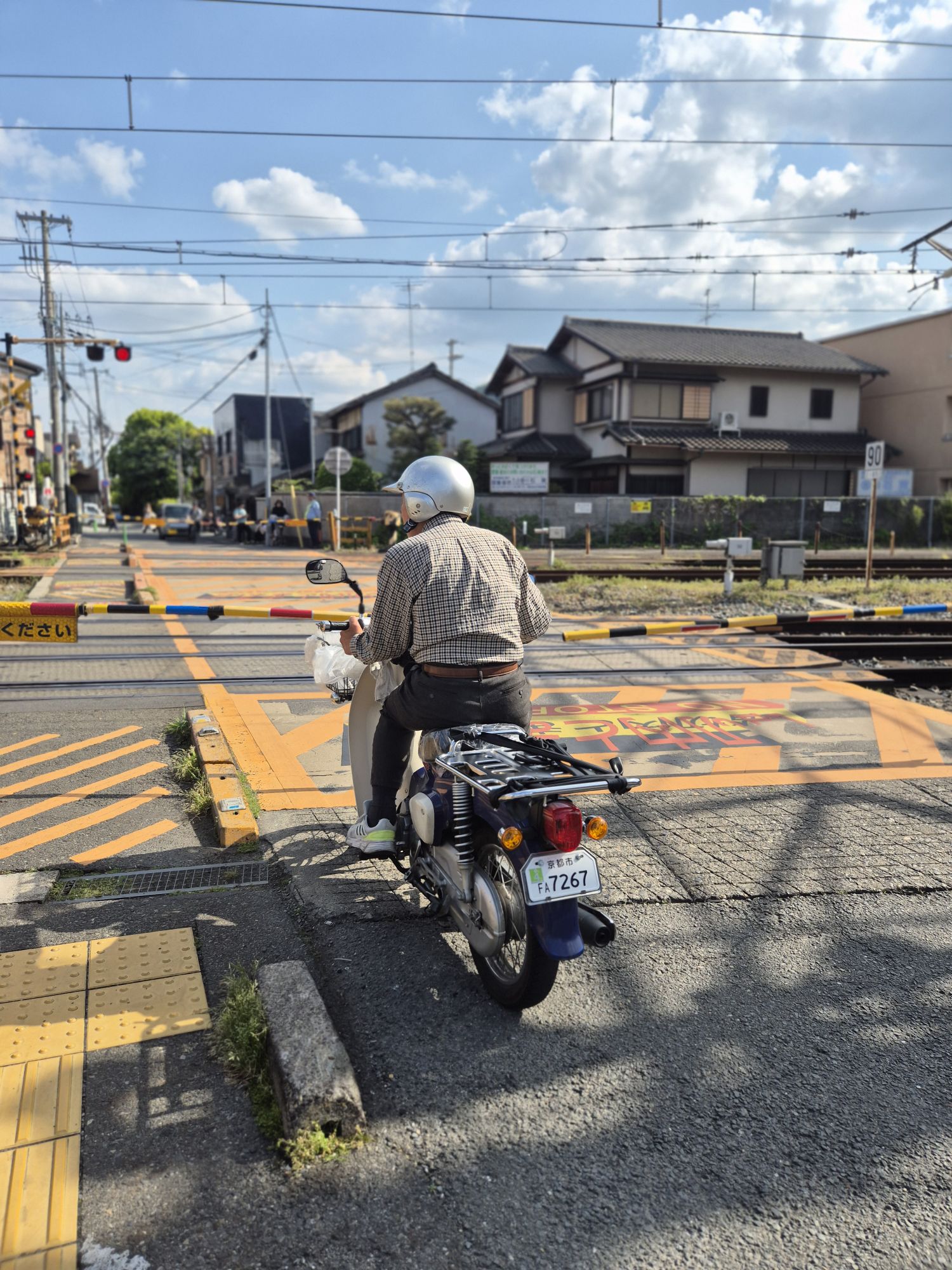
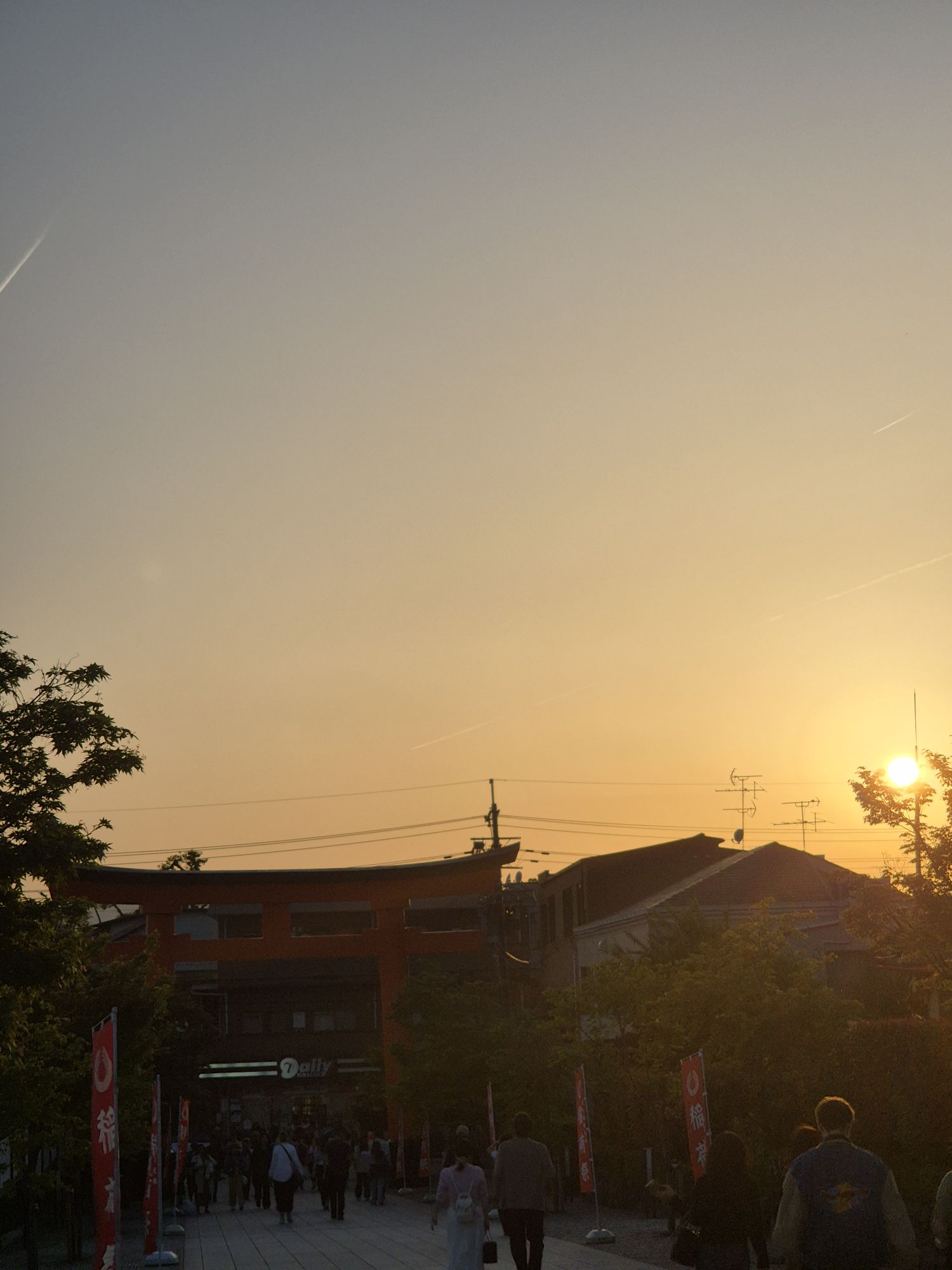
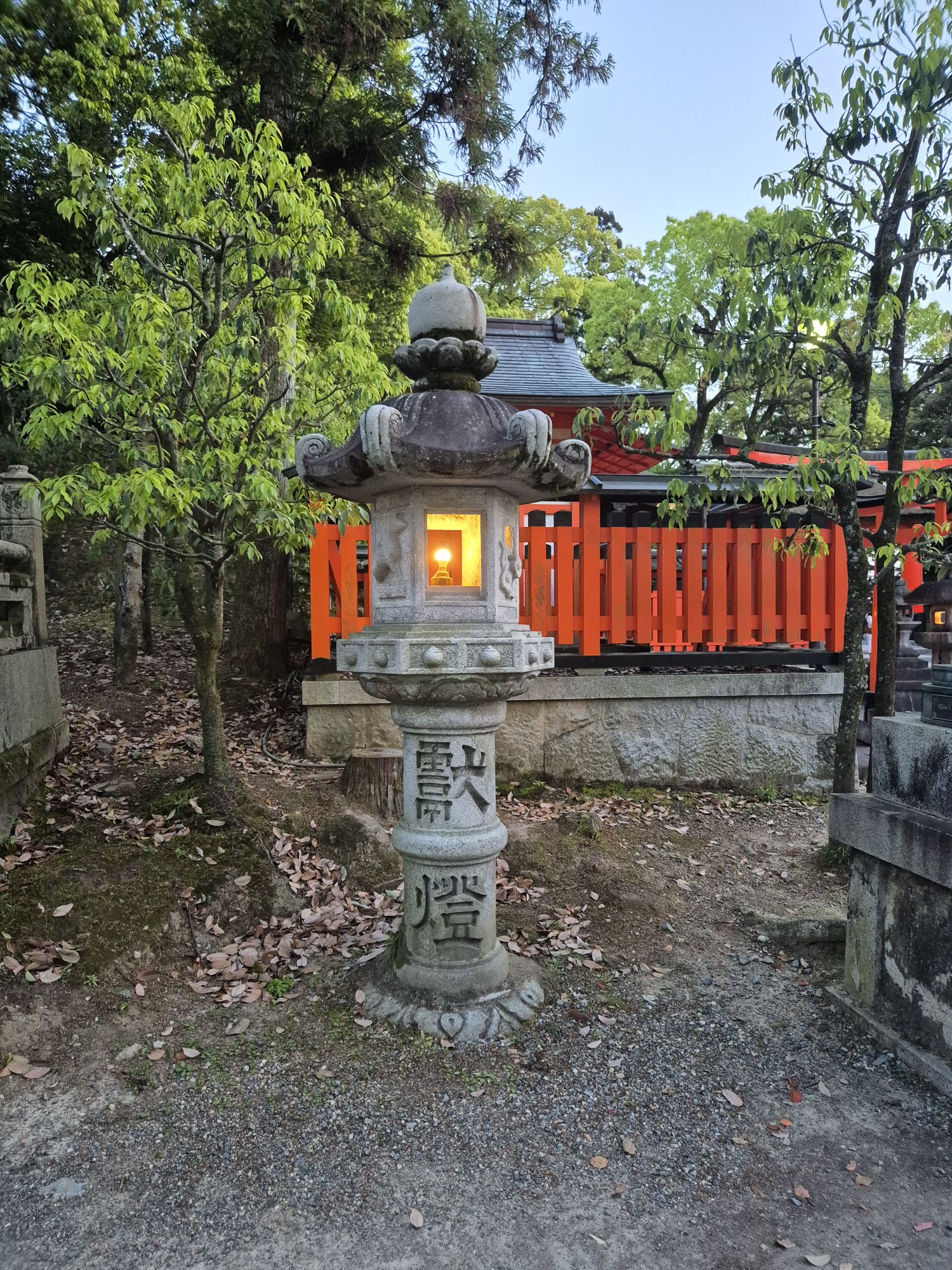
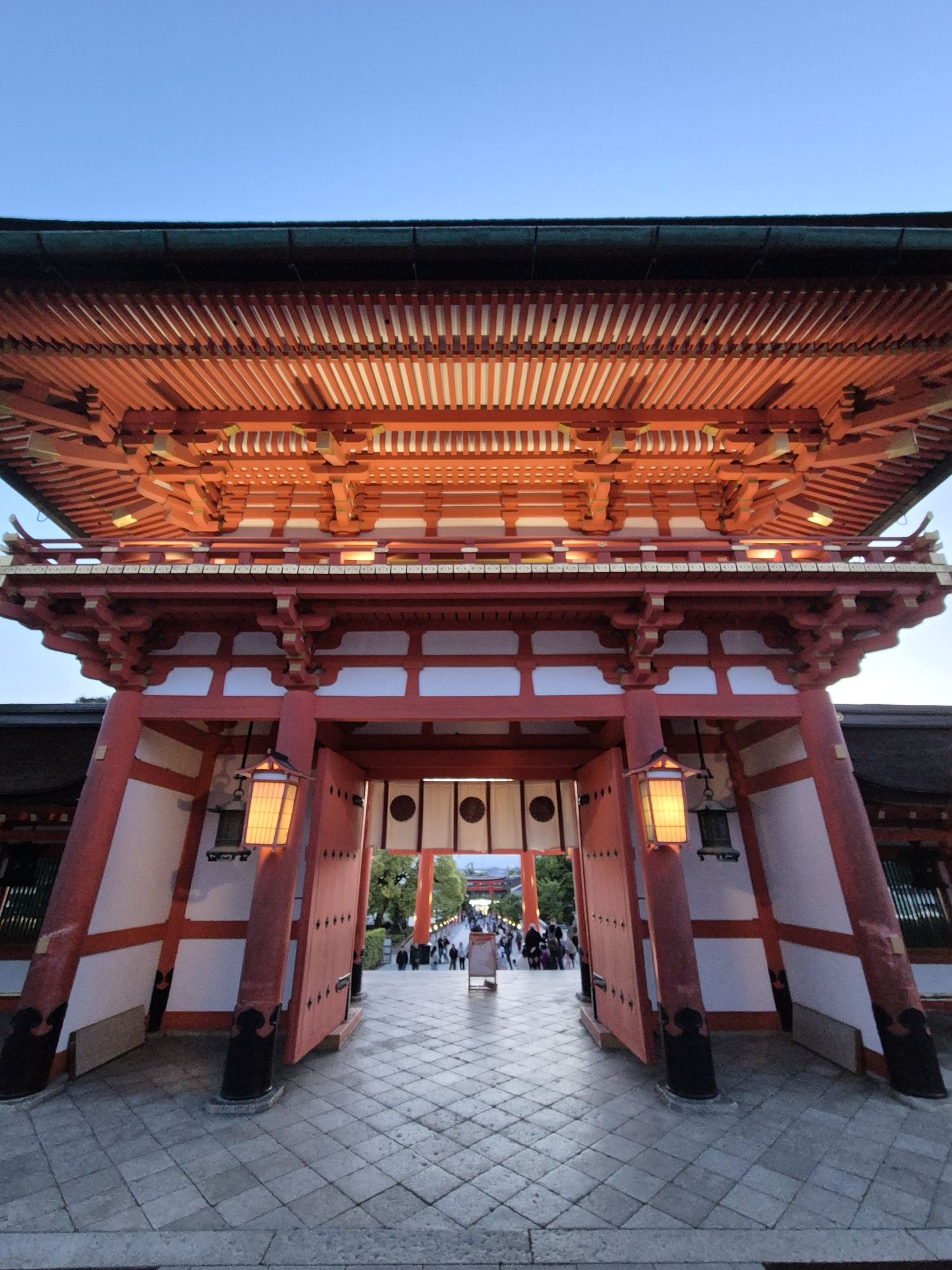
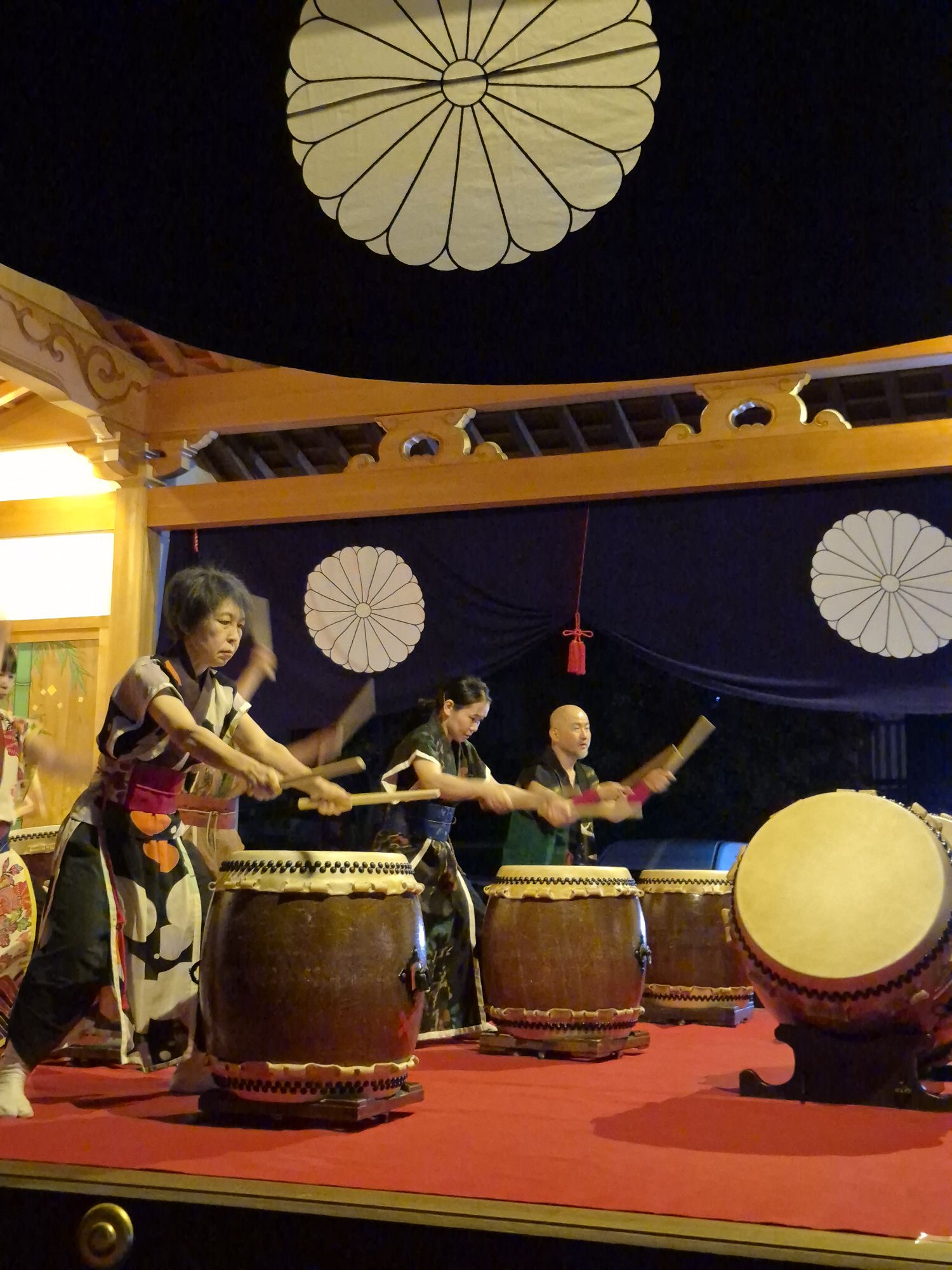
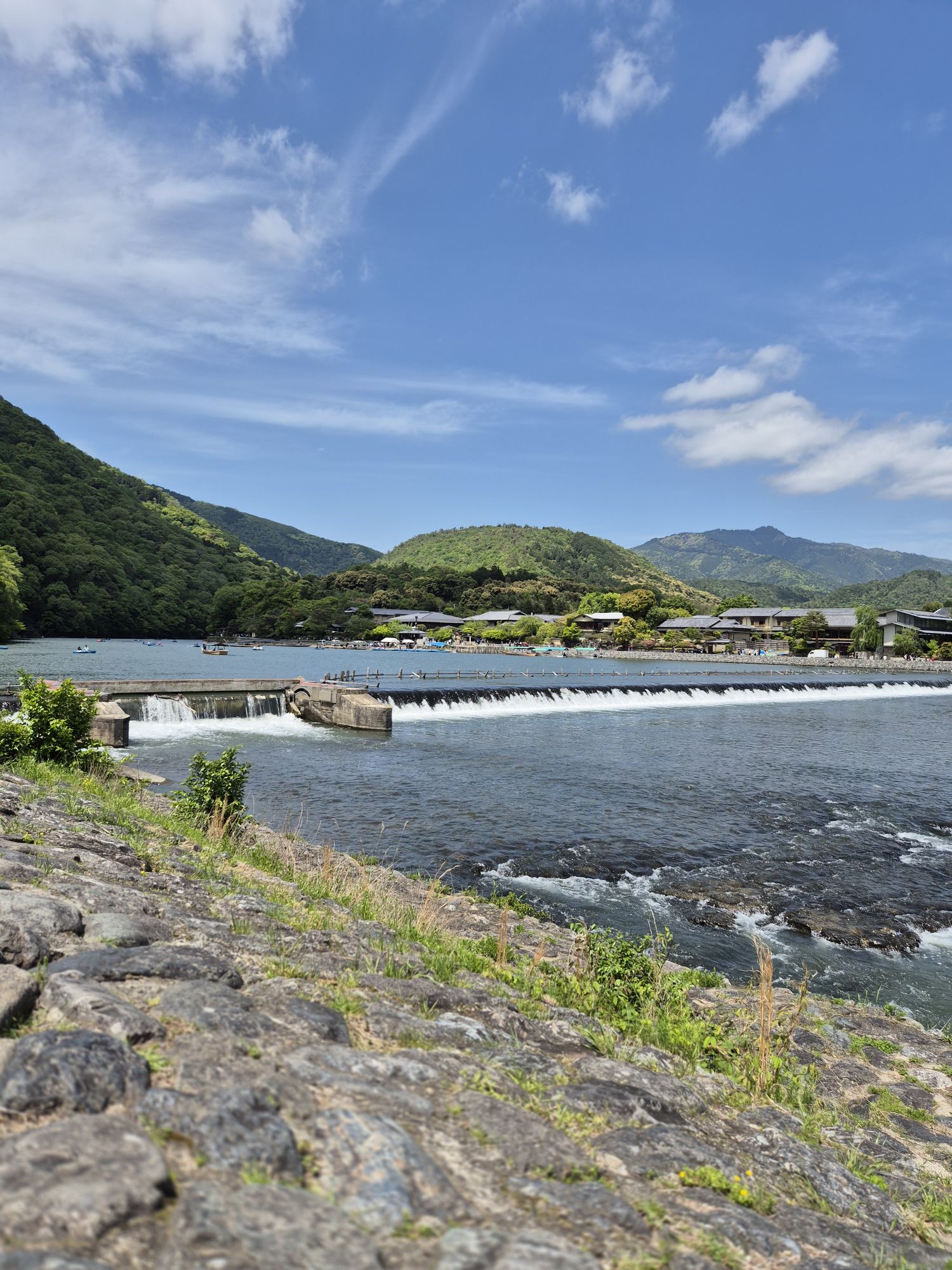
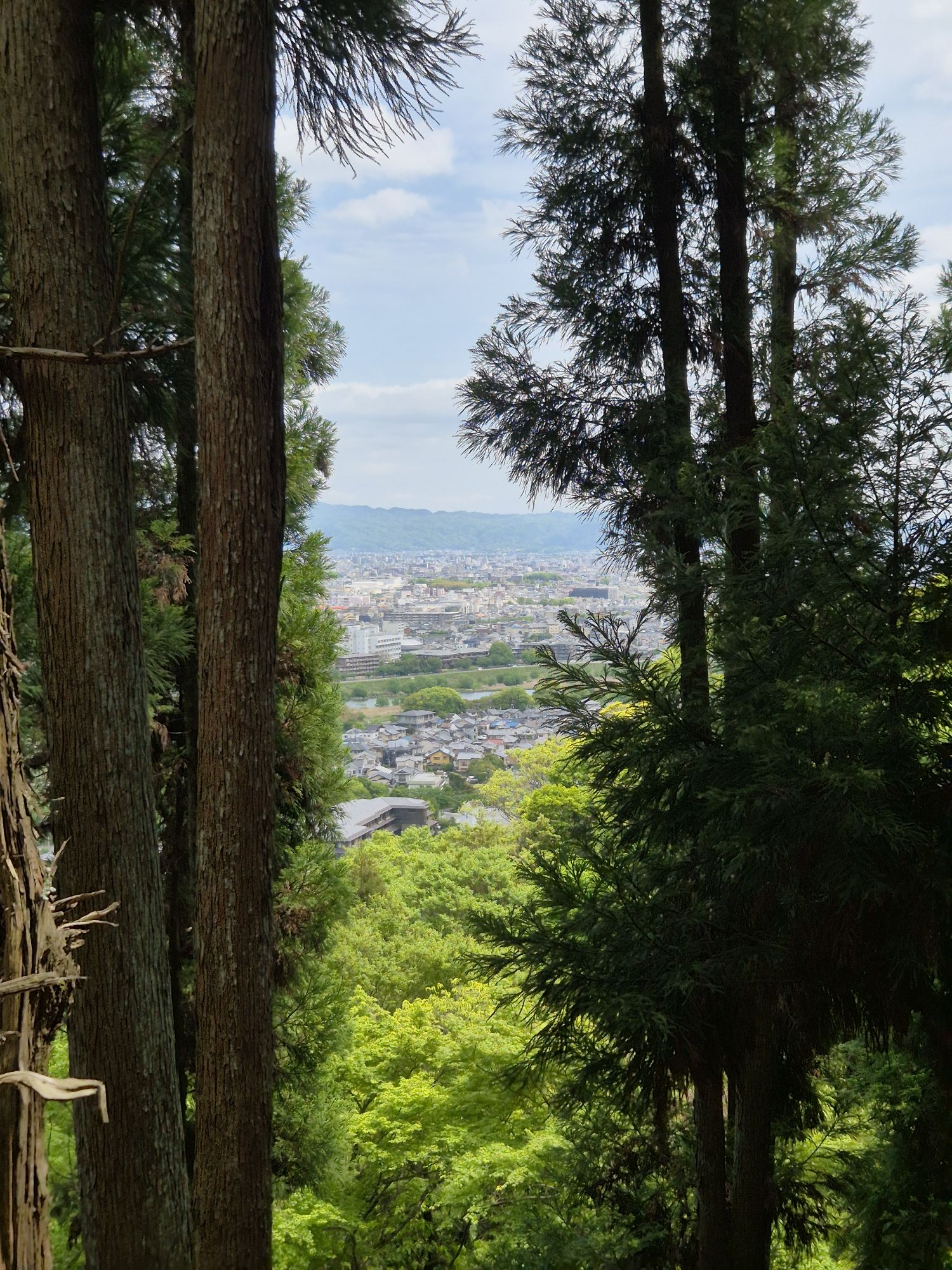
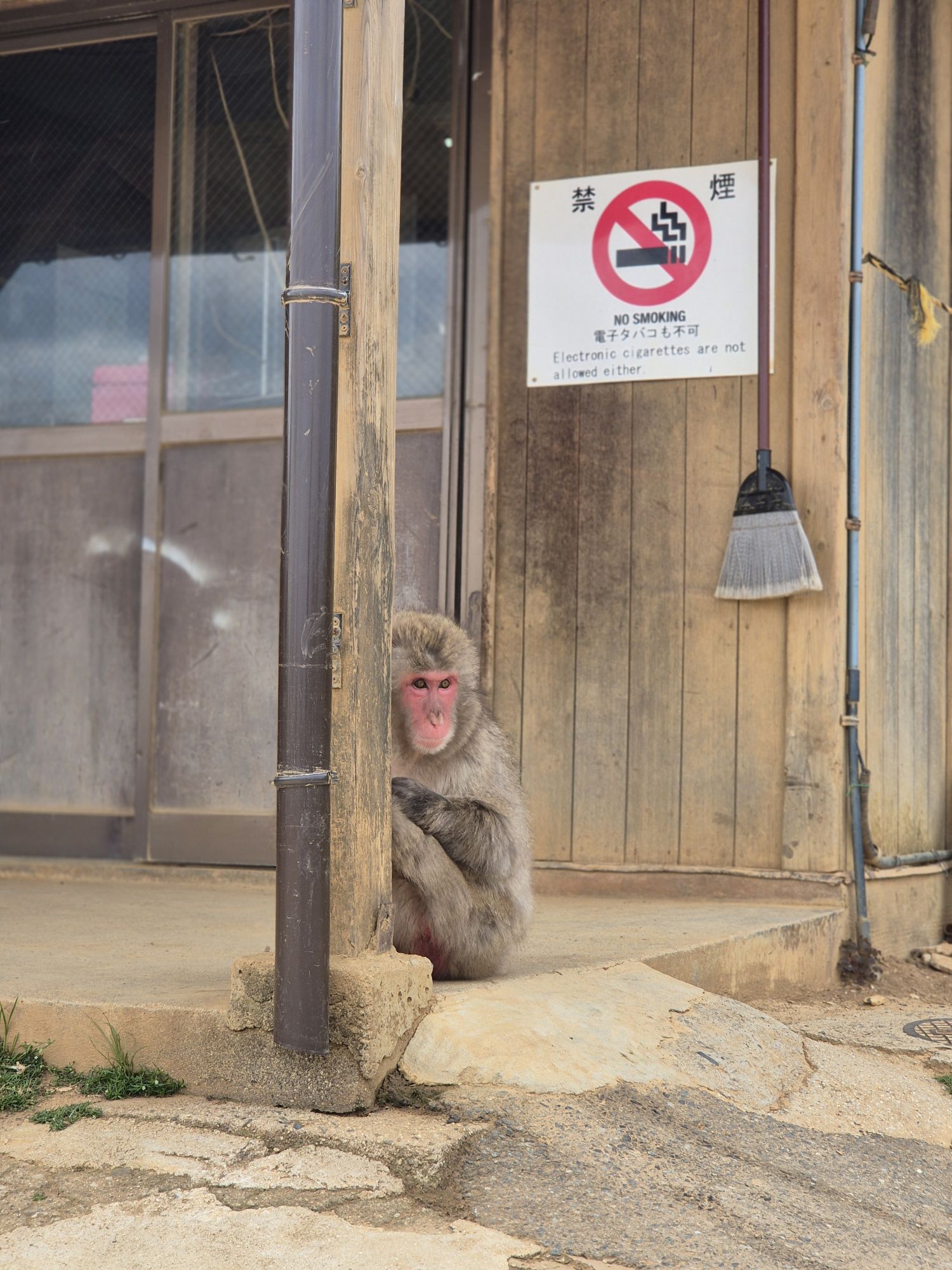
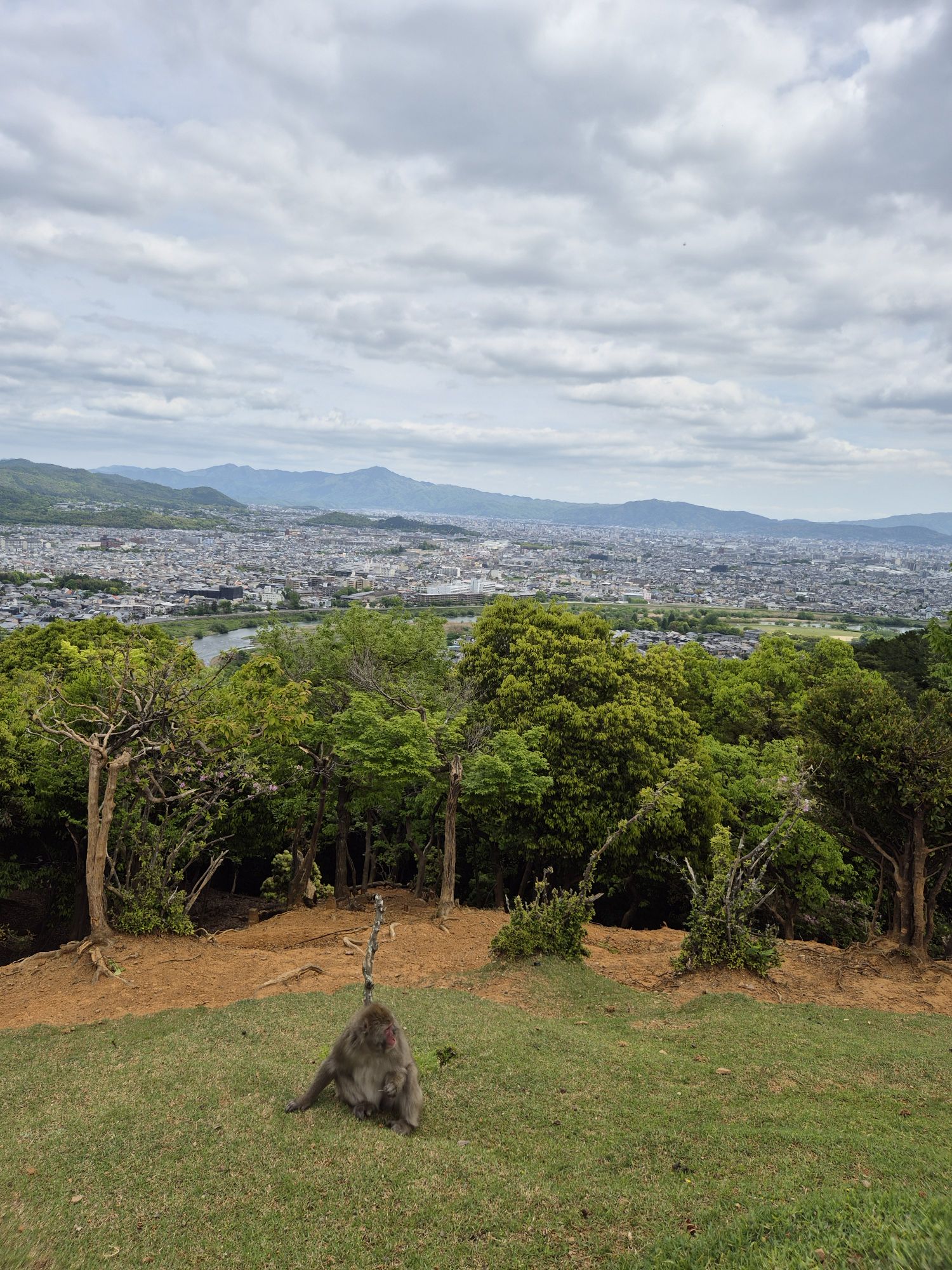
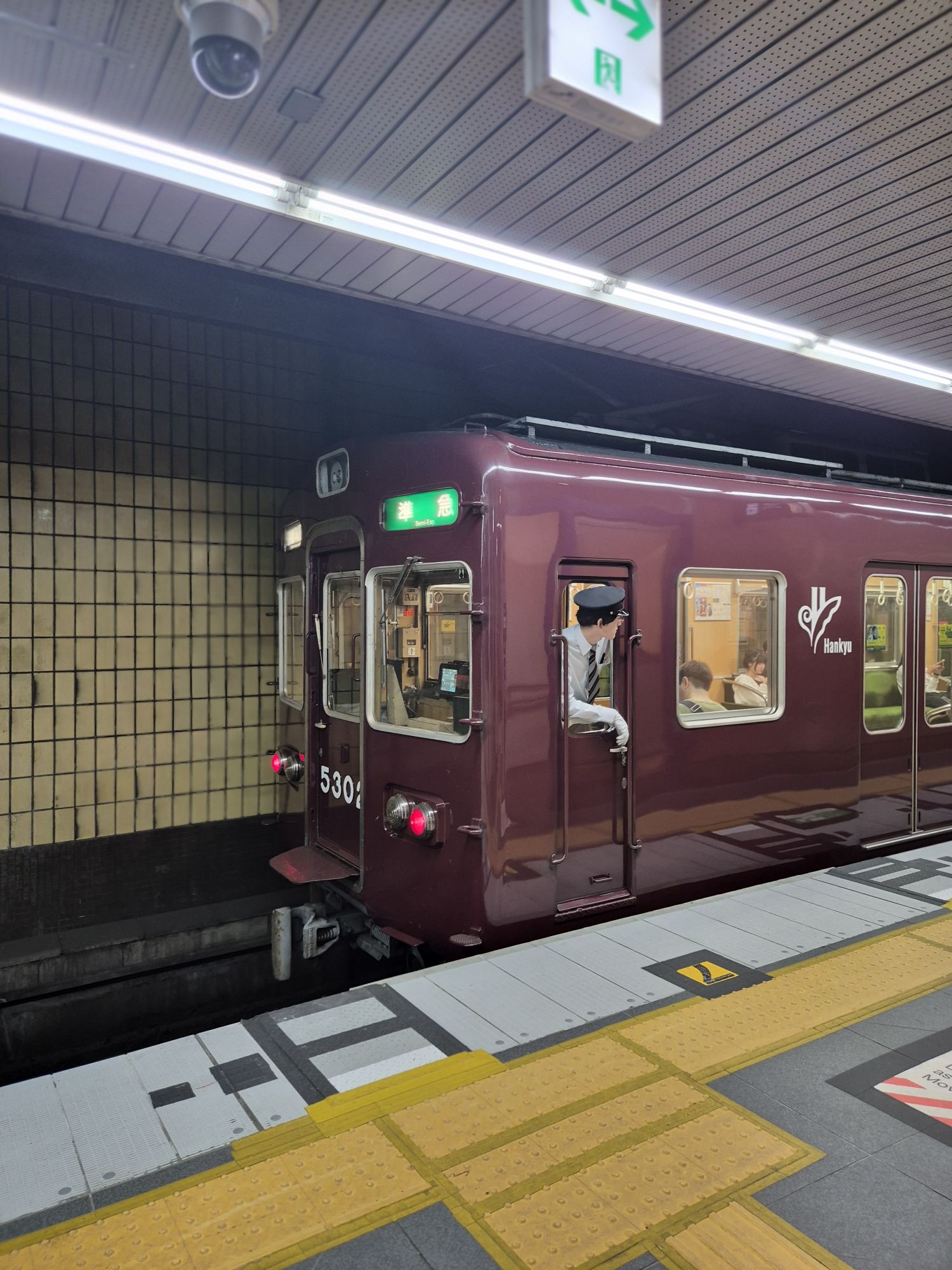
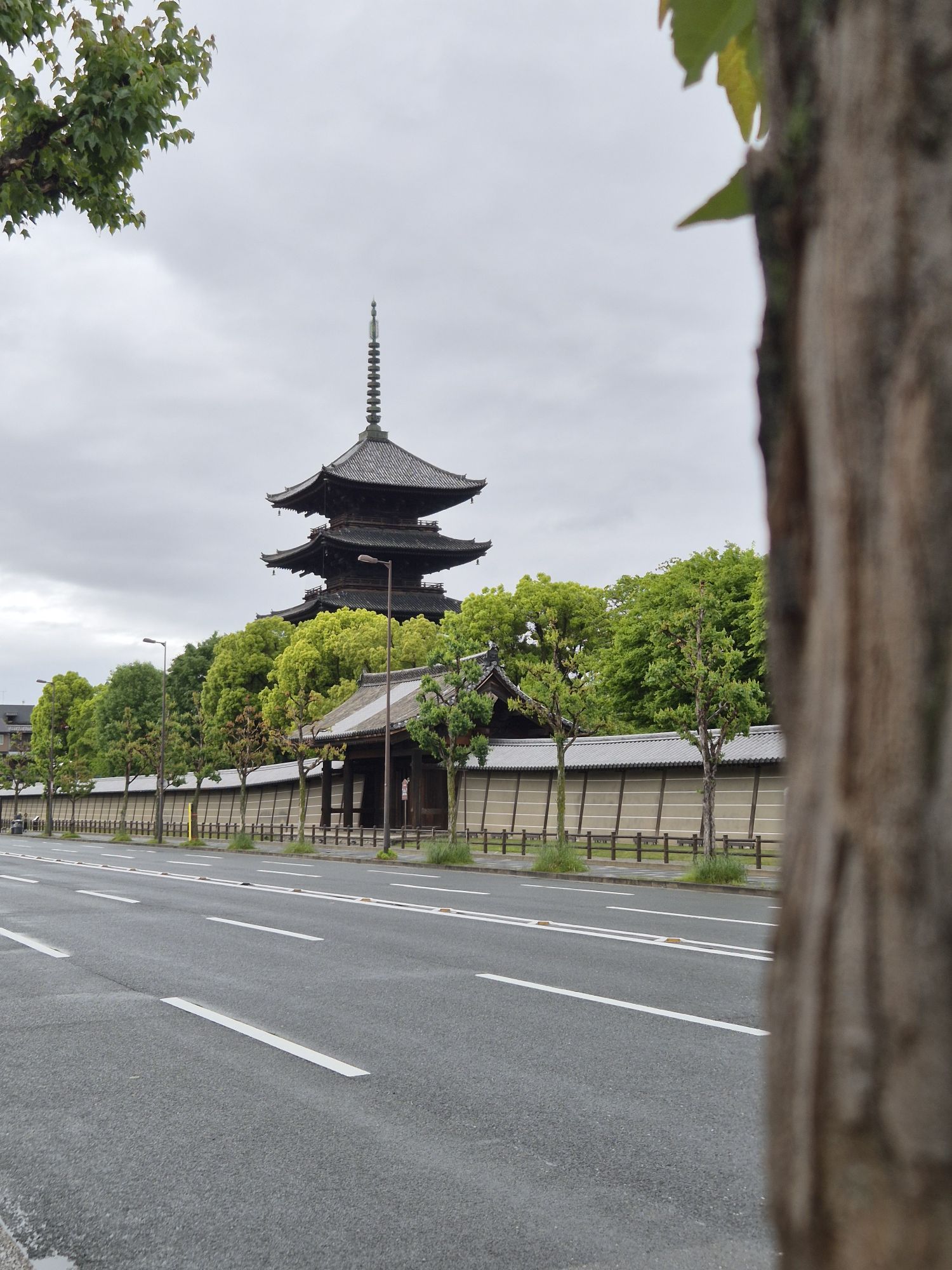
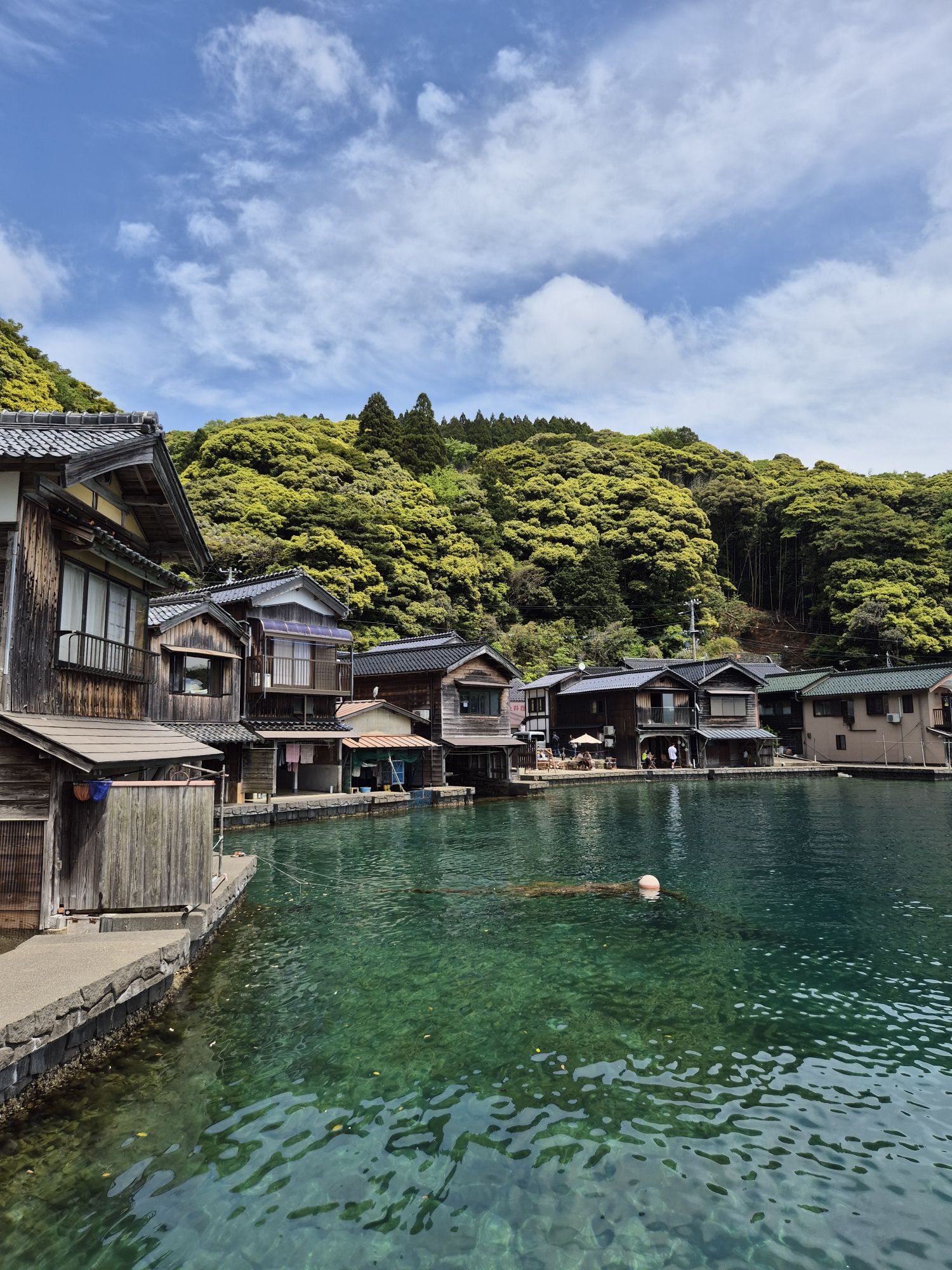
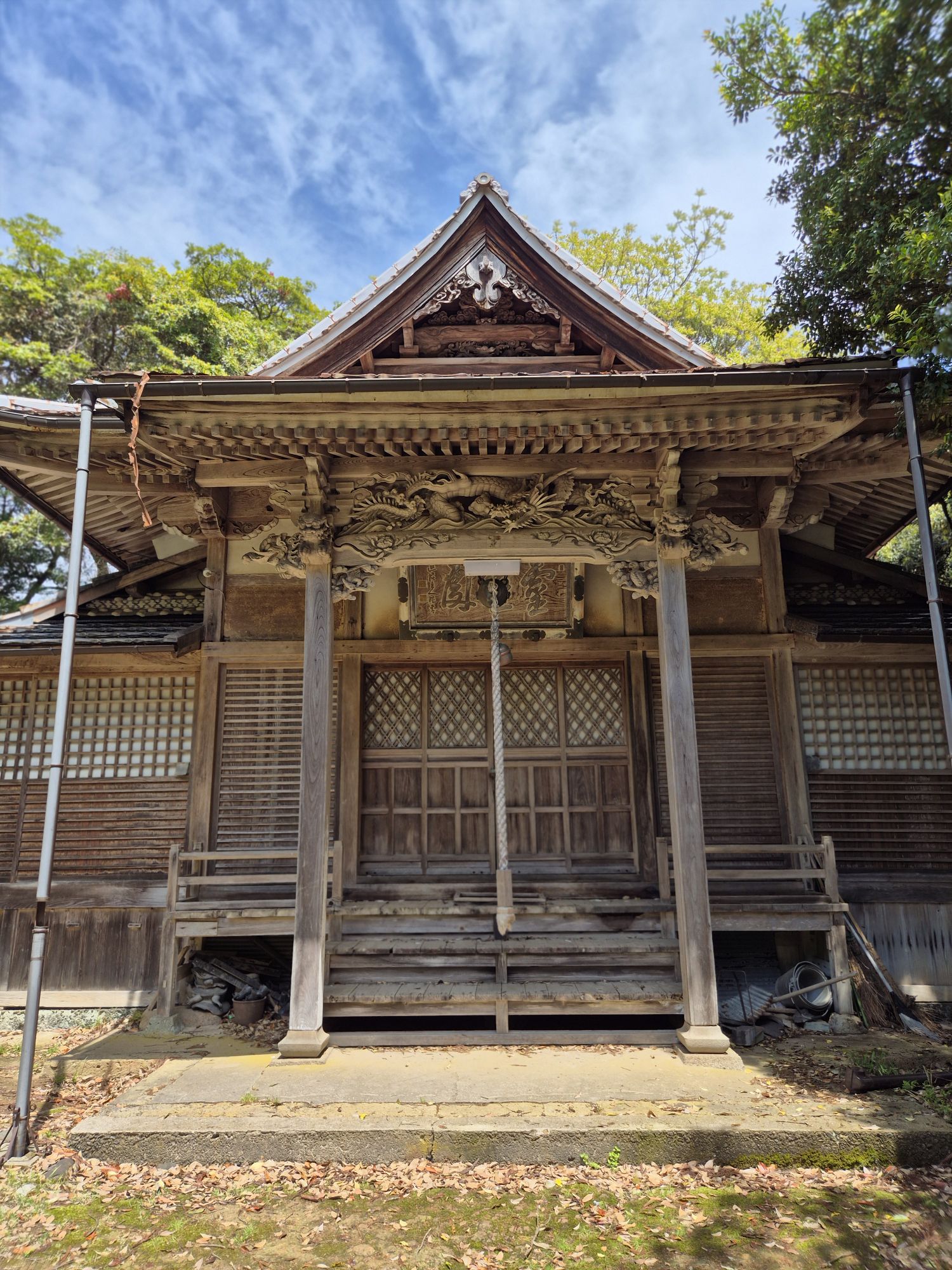
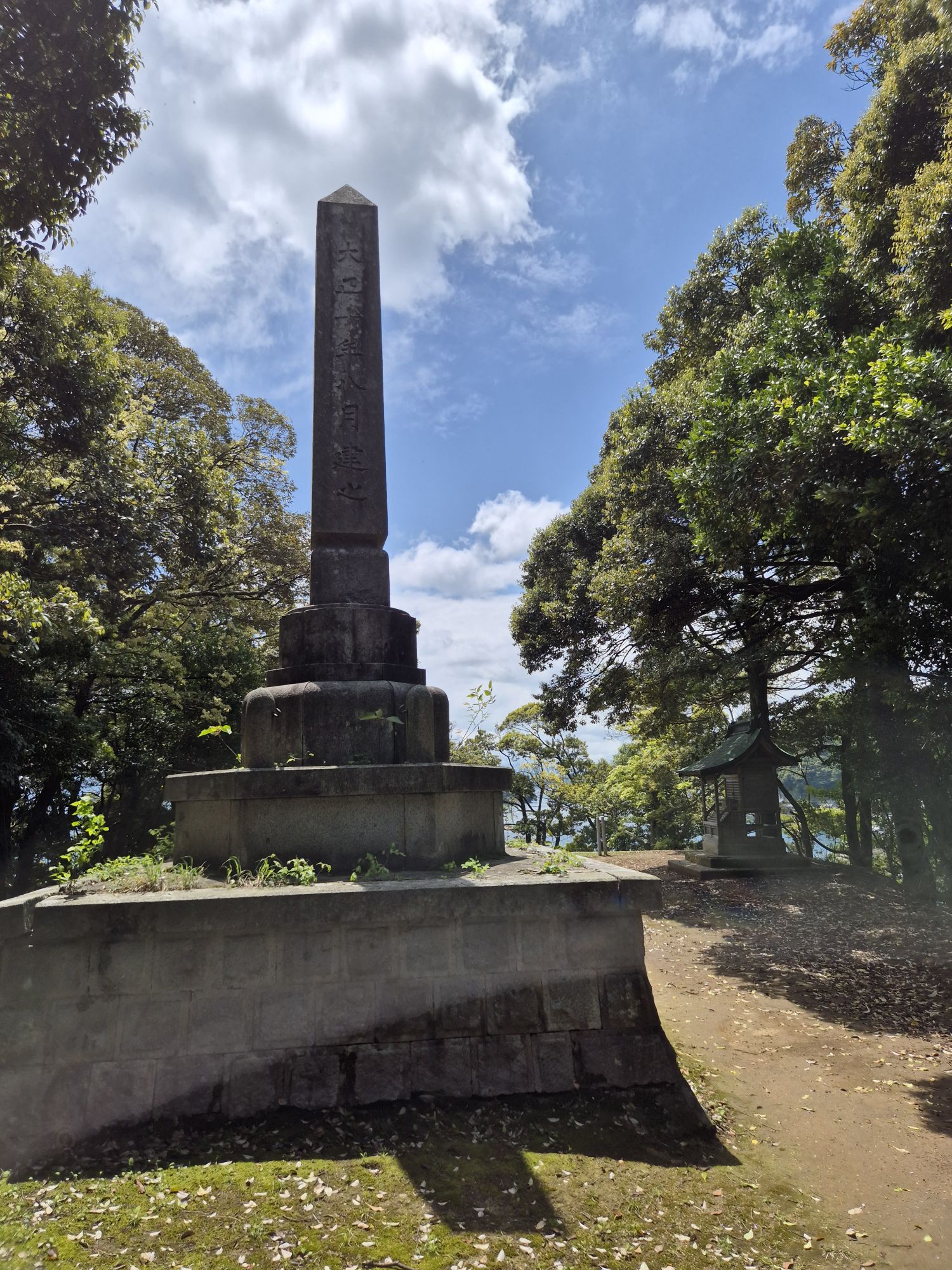
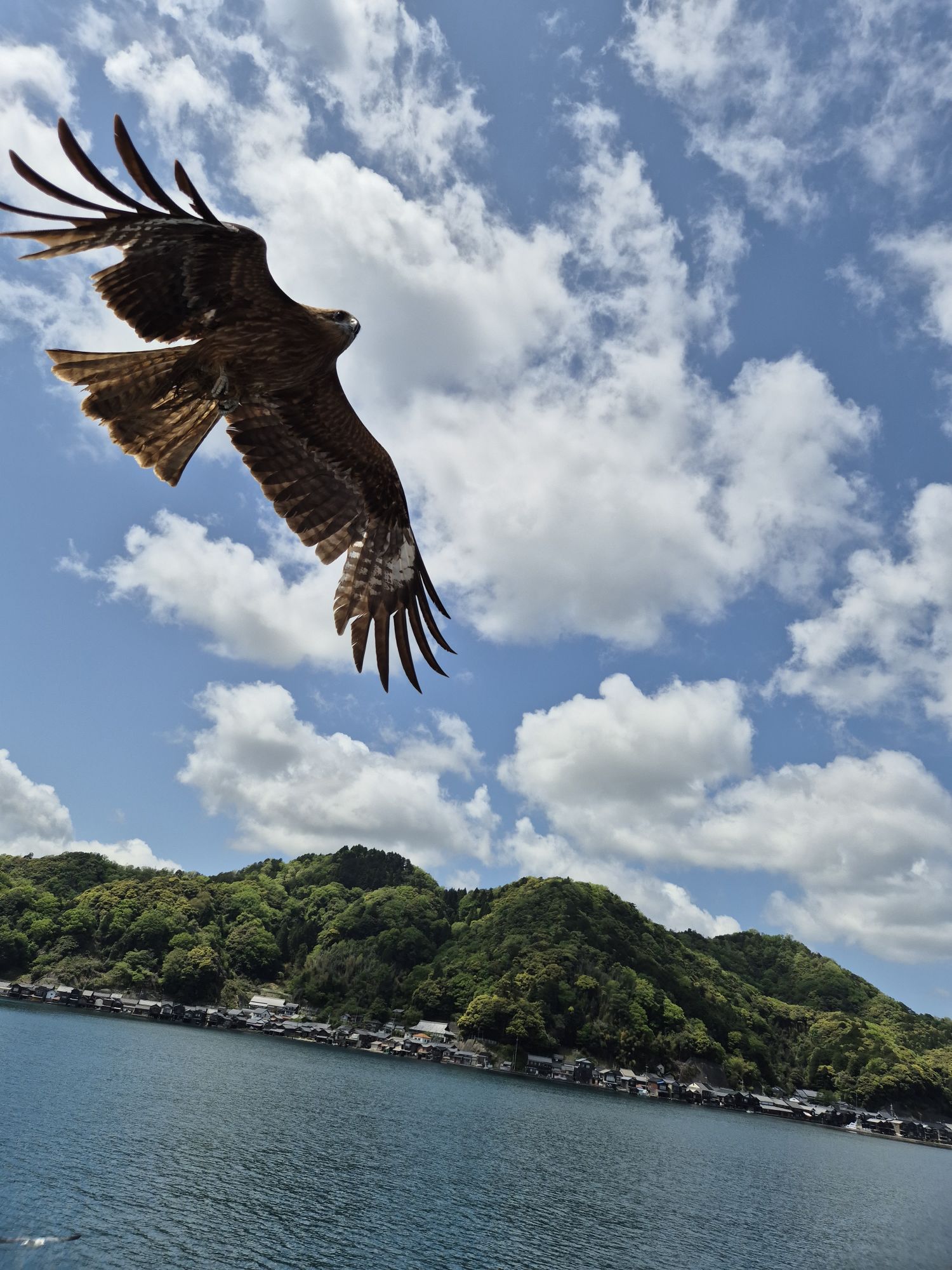
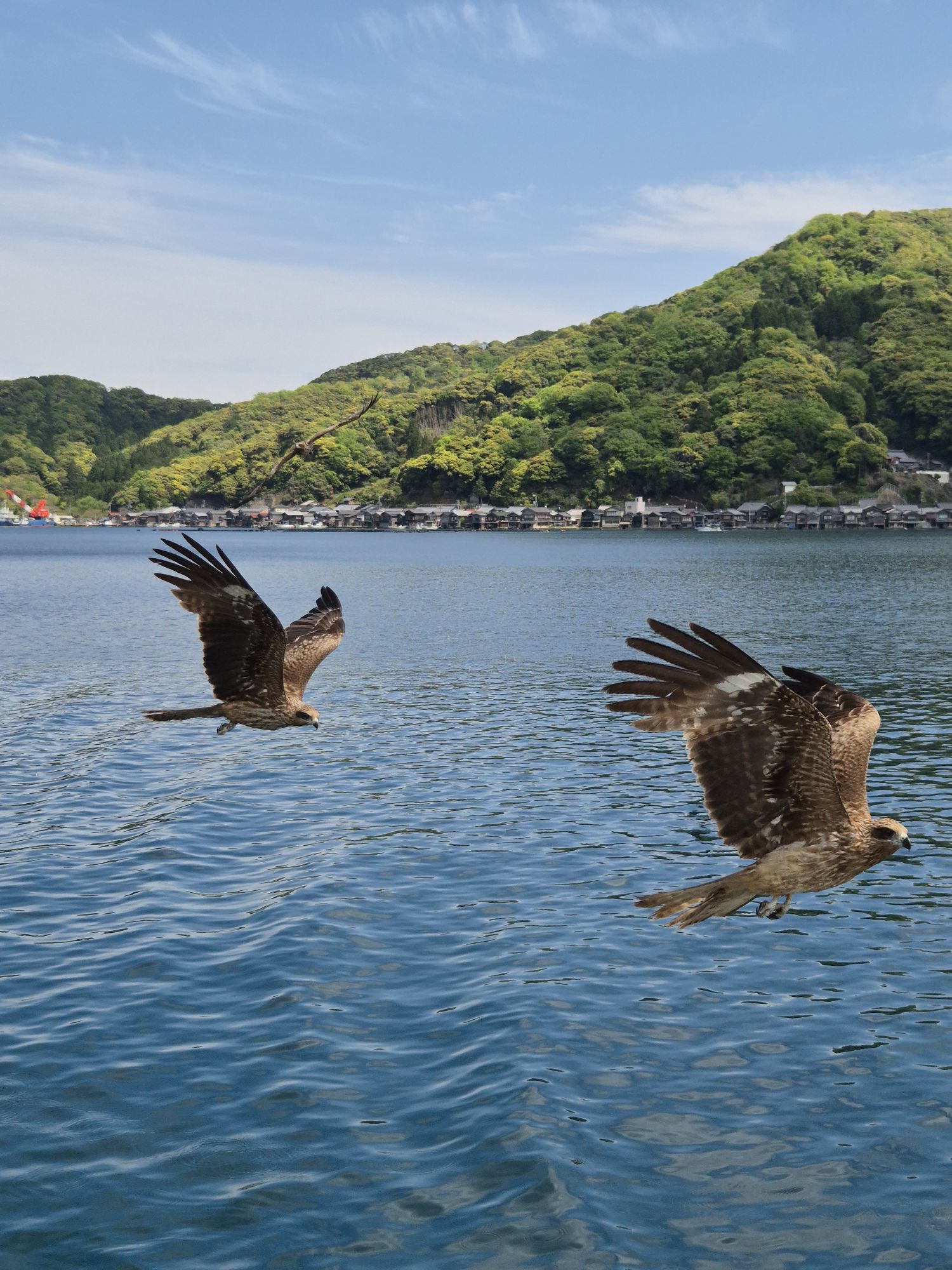
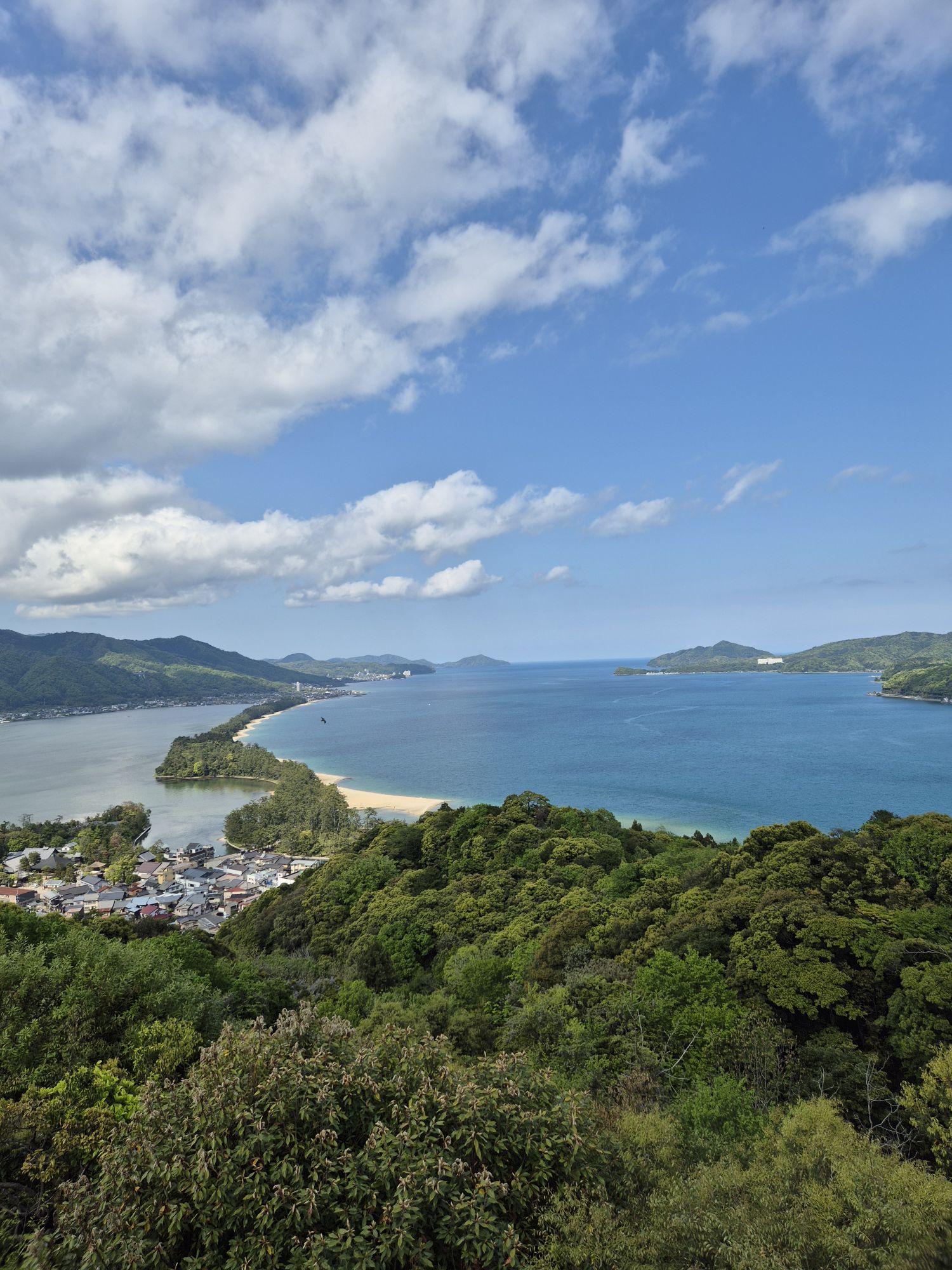
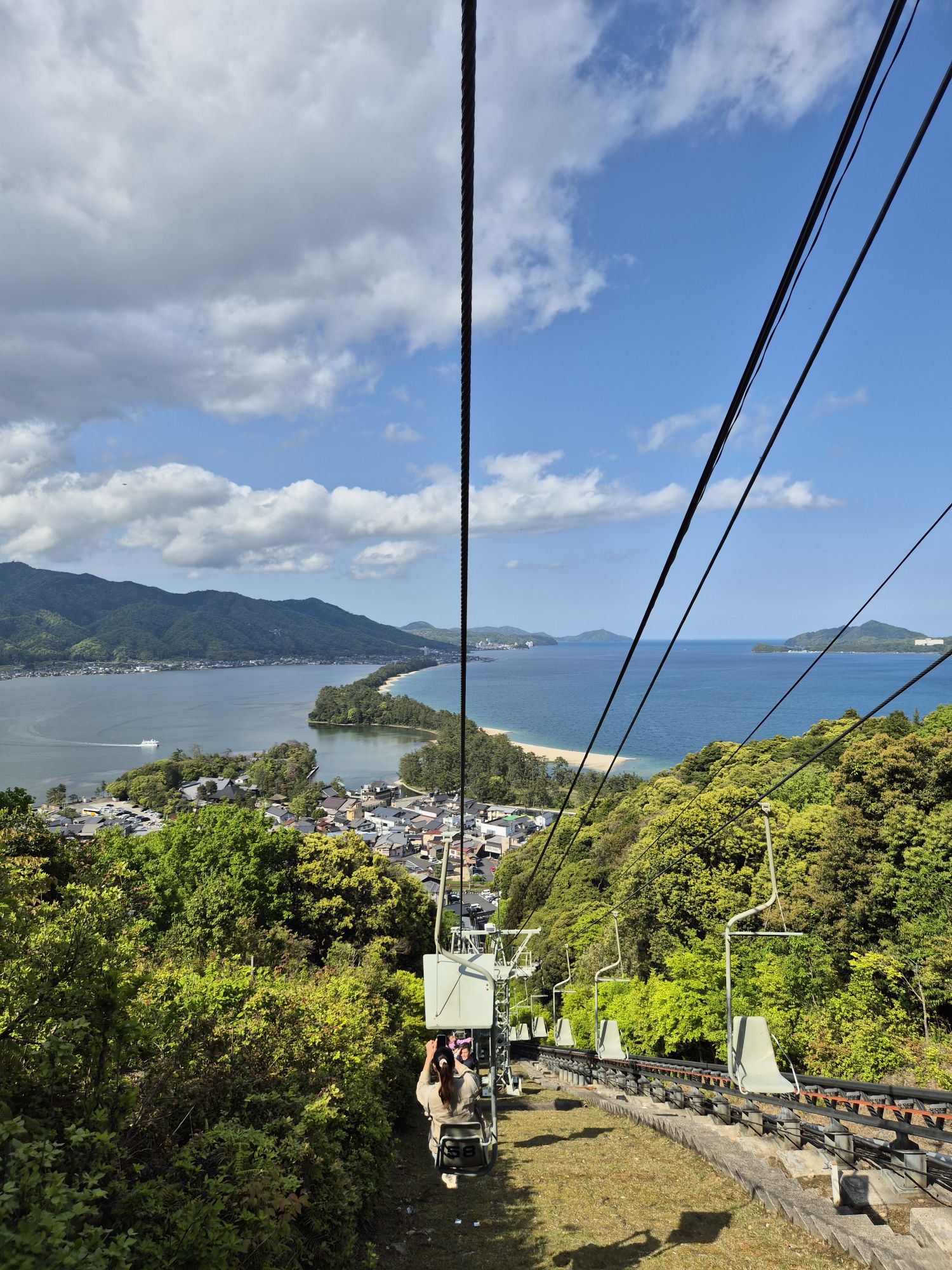
If Tokyo is rhythm, Kyoto is a pause. The thousand gates of Fushimi Inari, the bamboo forest in Arashiyama, the Golden Pavilion of Kinkaku-ji: every corner of the city looks like a postcard, but the real beauty is in the early hours, before the tour buses arrive. That is when the silence is almost physical.
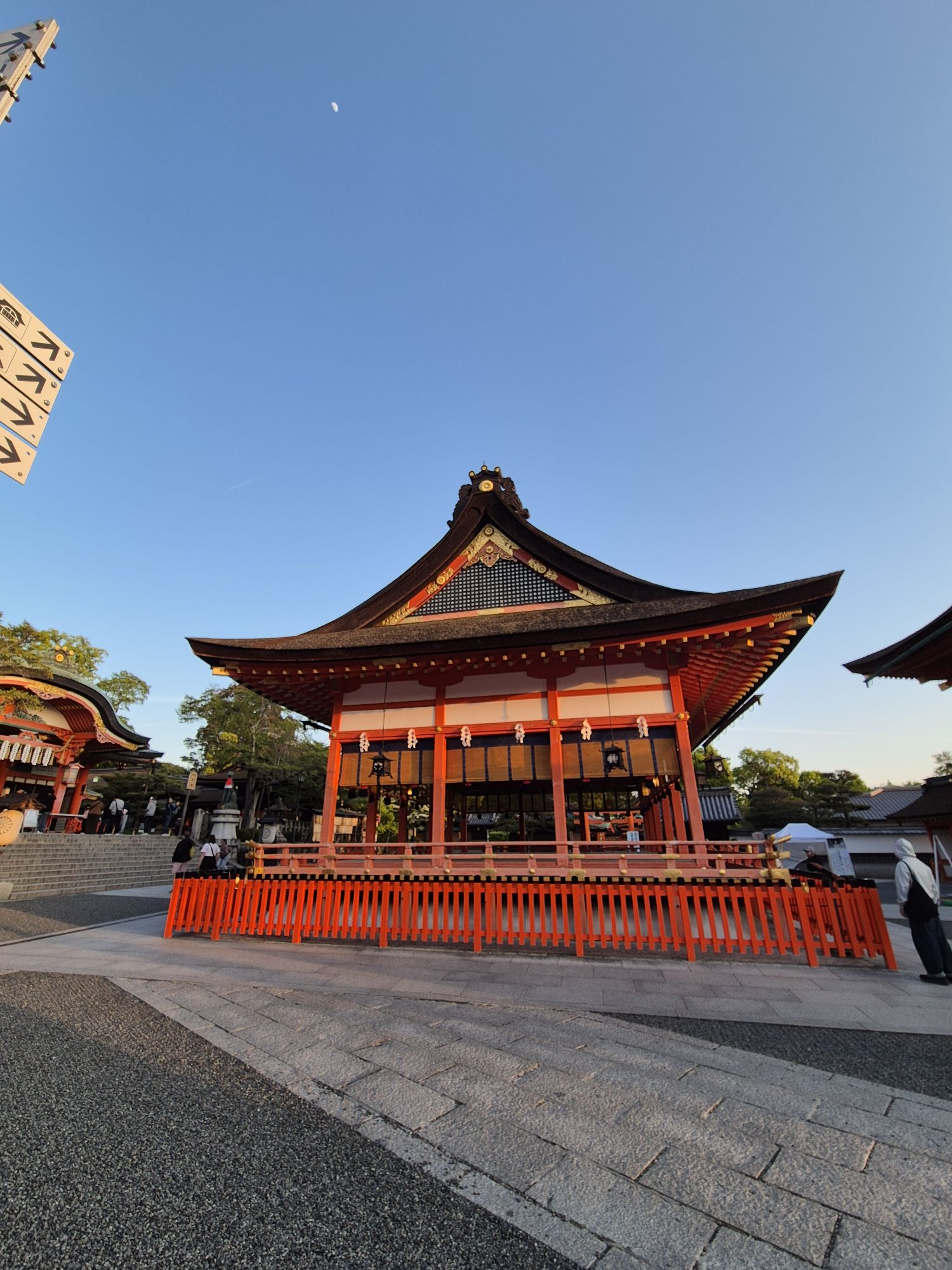
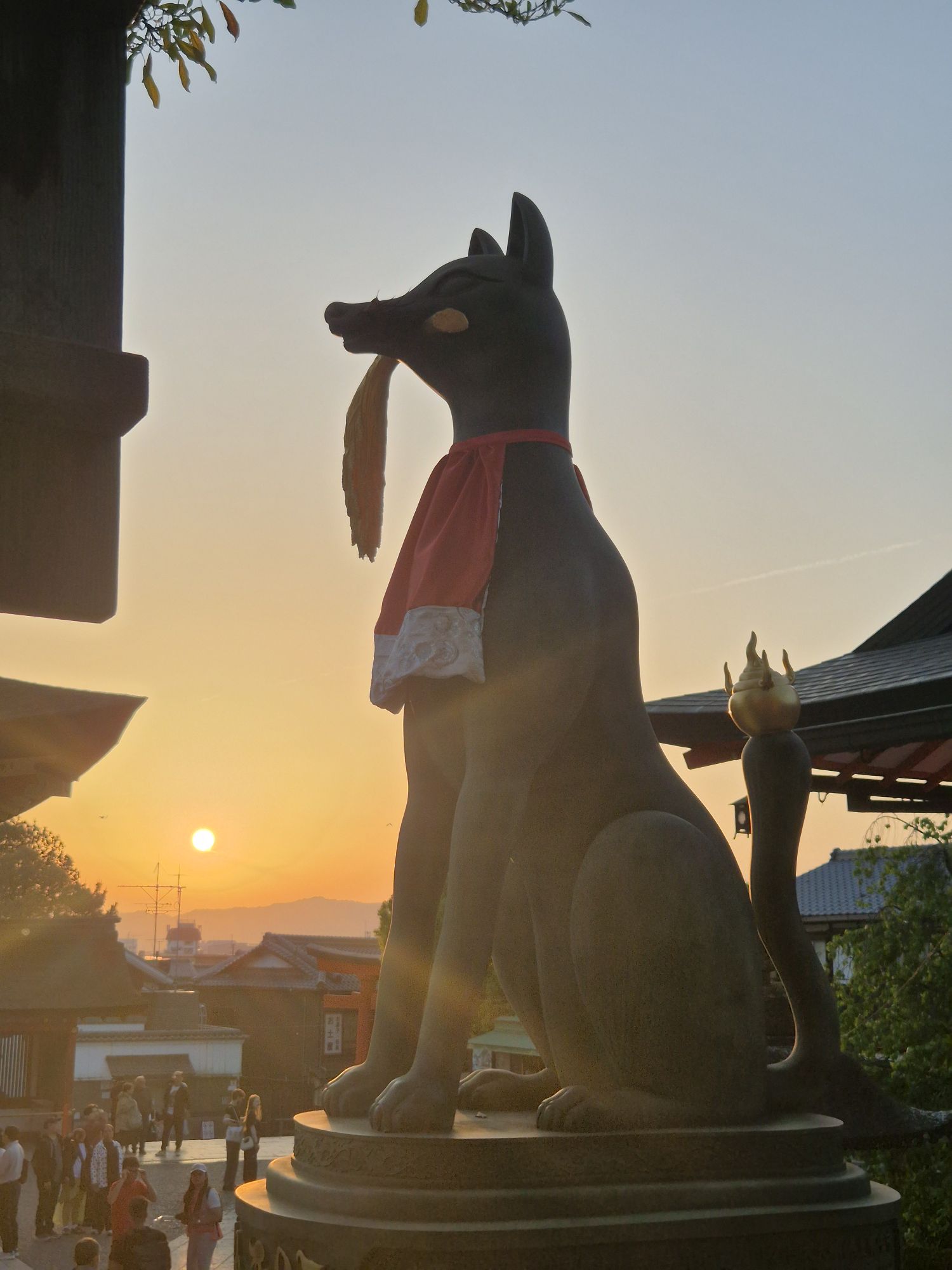
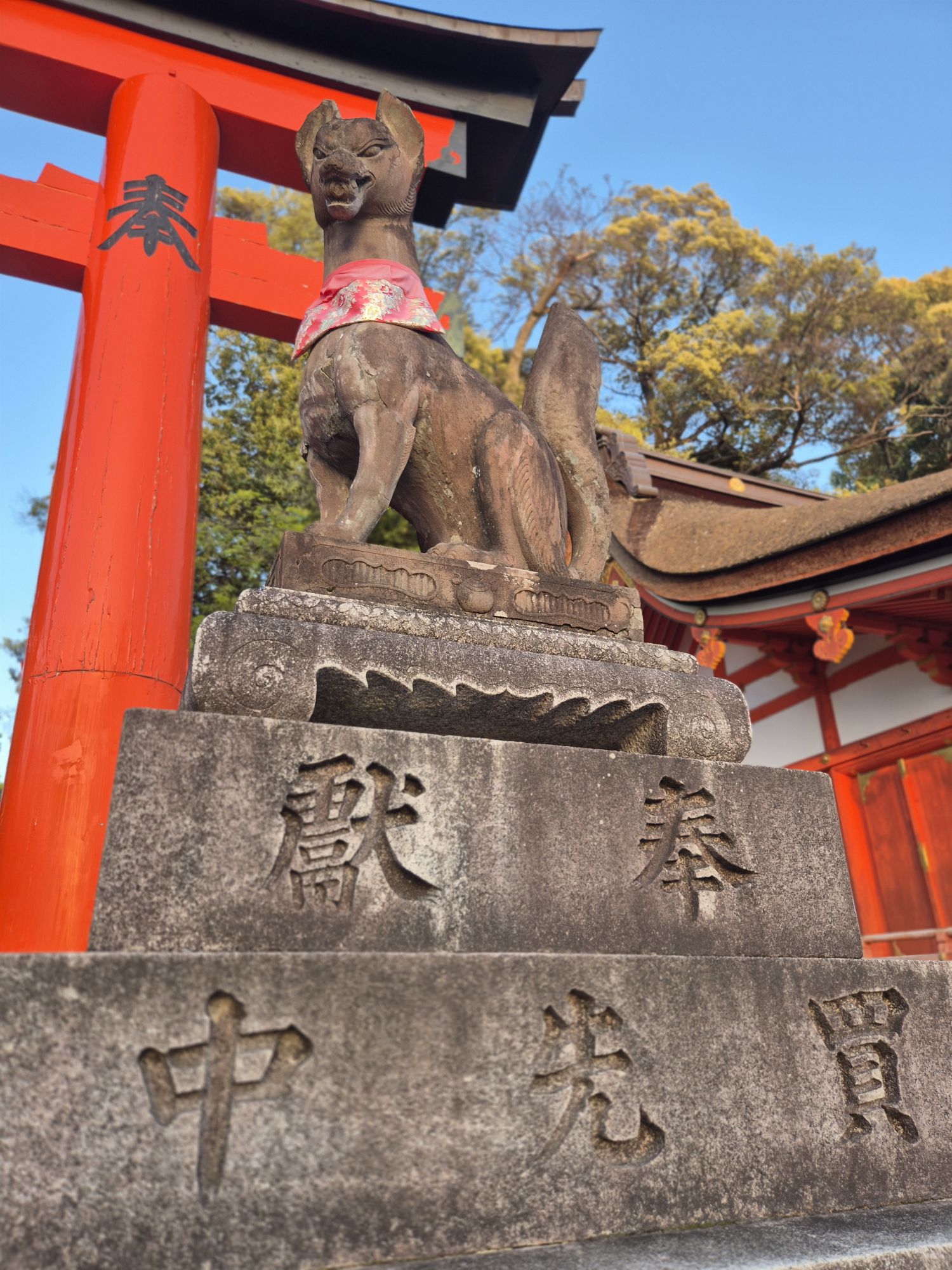
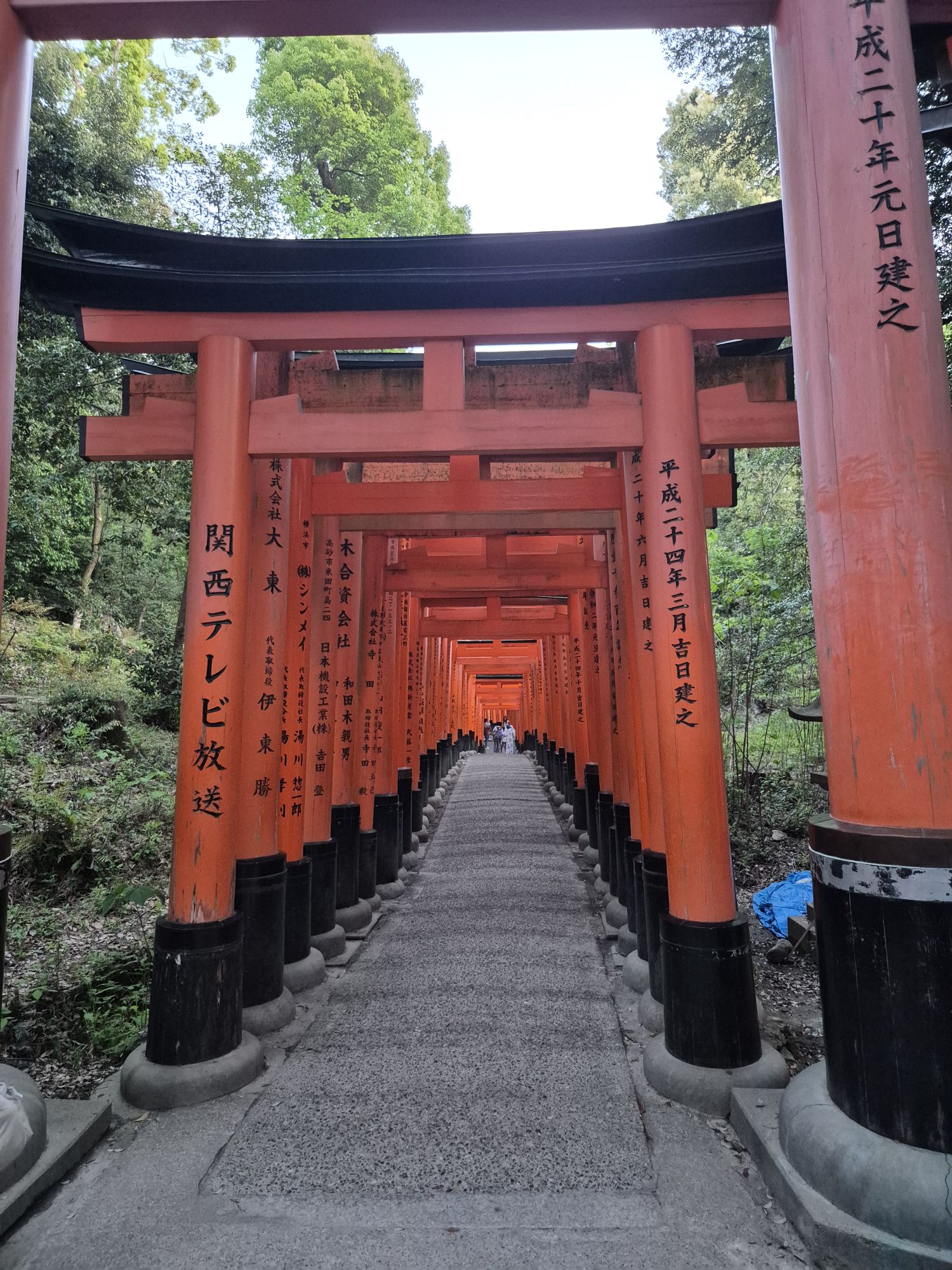
Copyrighted photographs by GJ Media Production
Osaka: food as a reason to travel
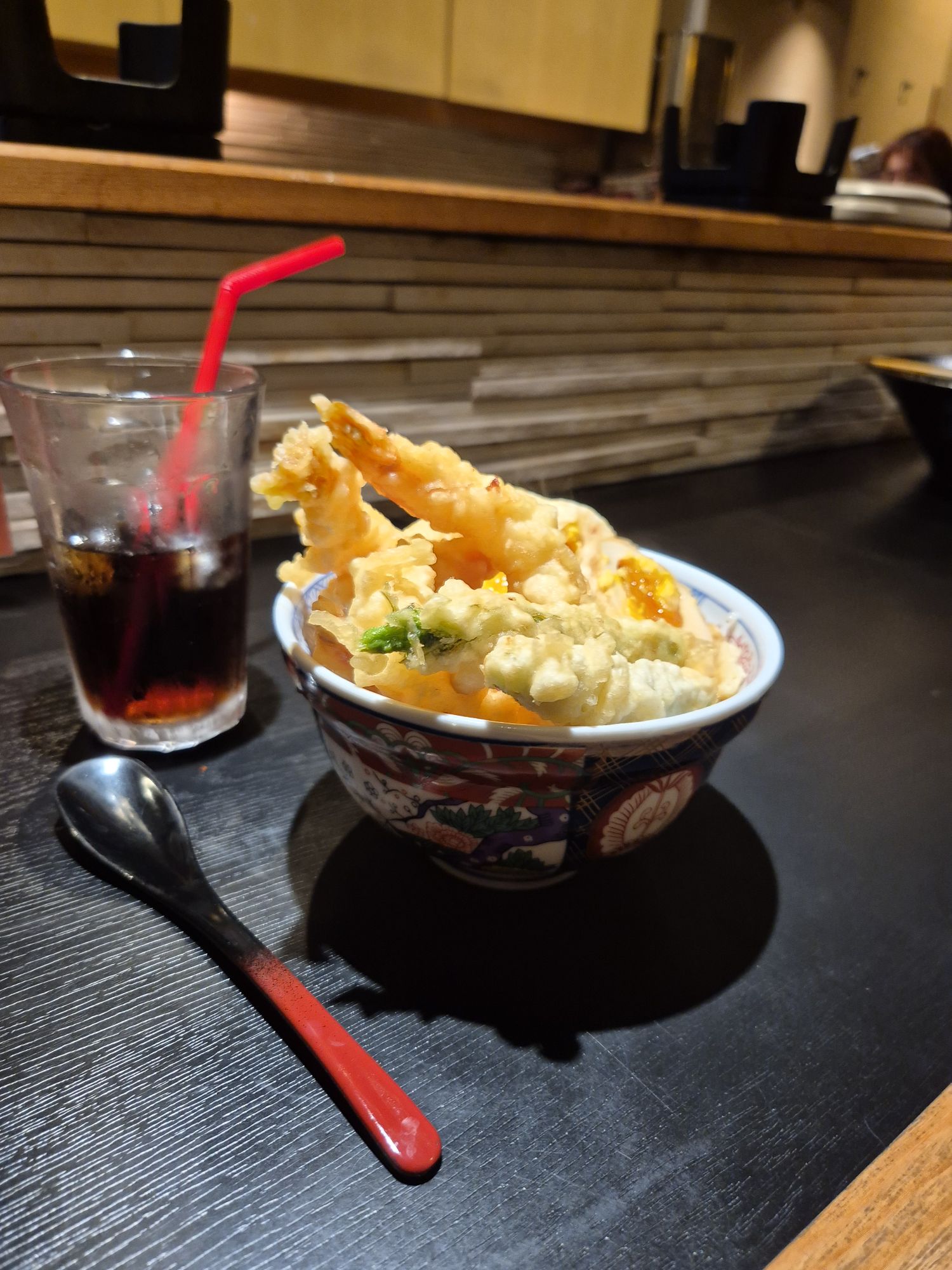
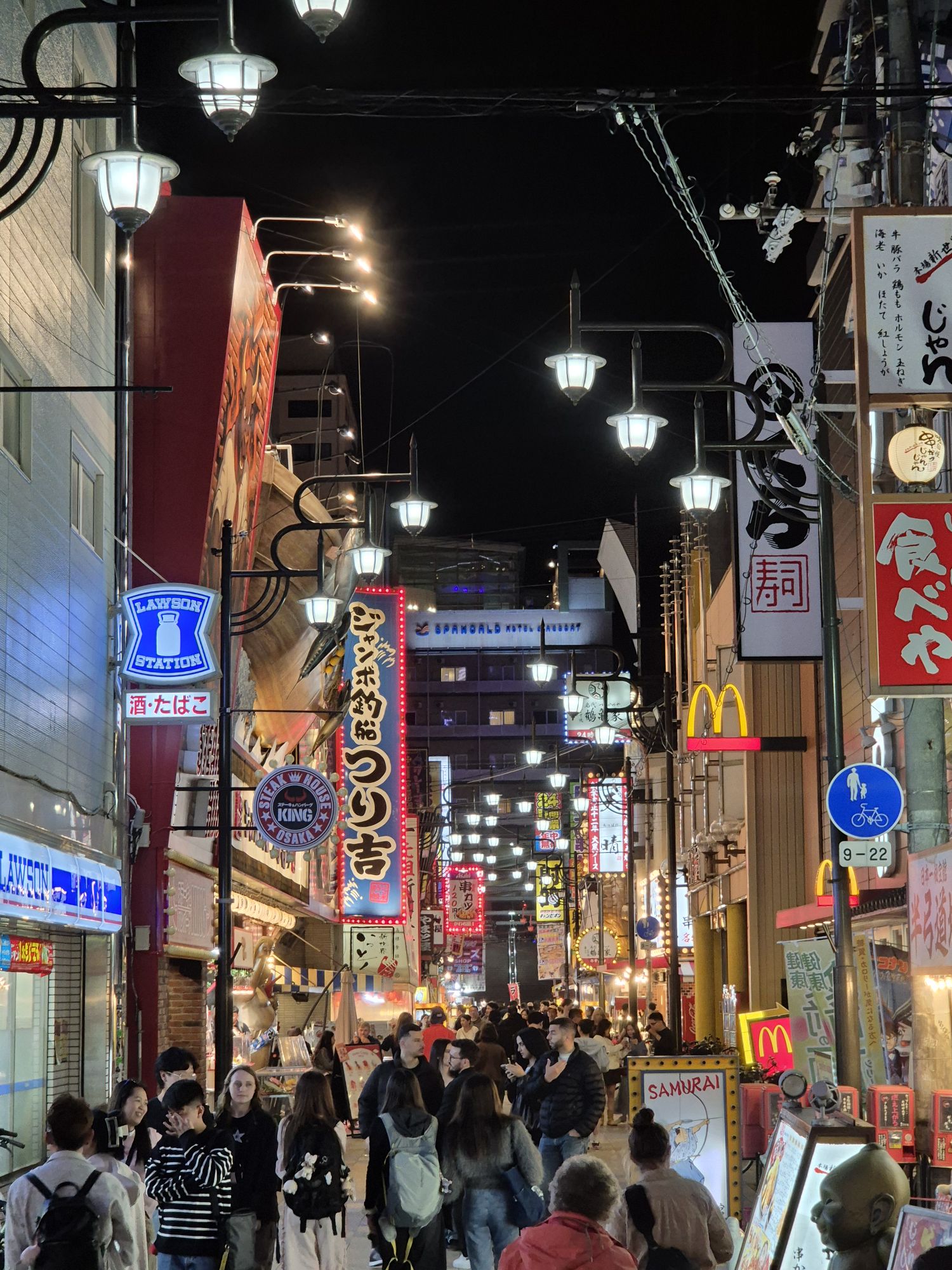
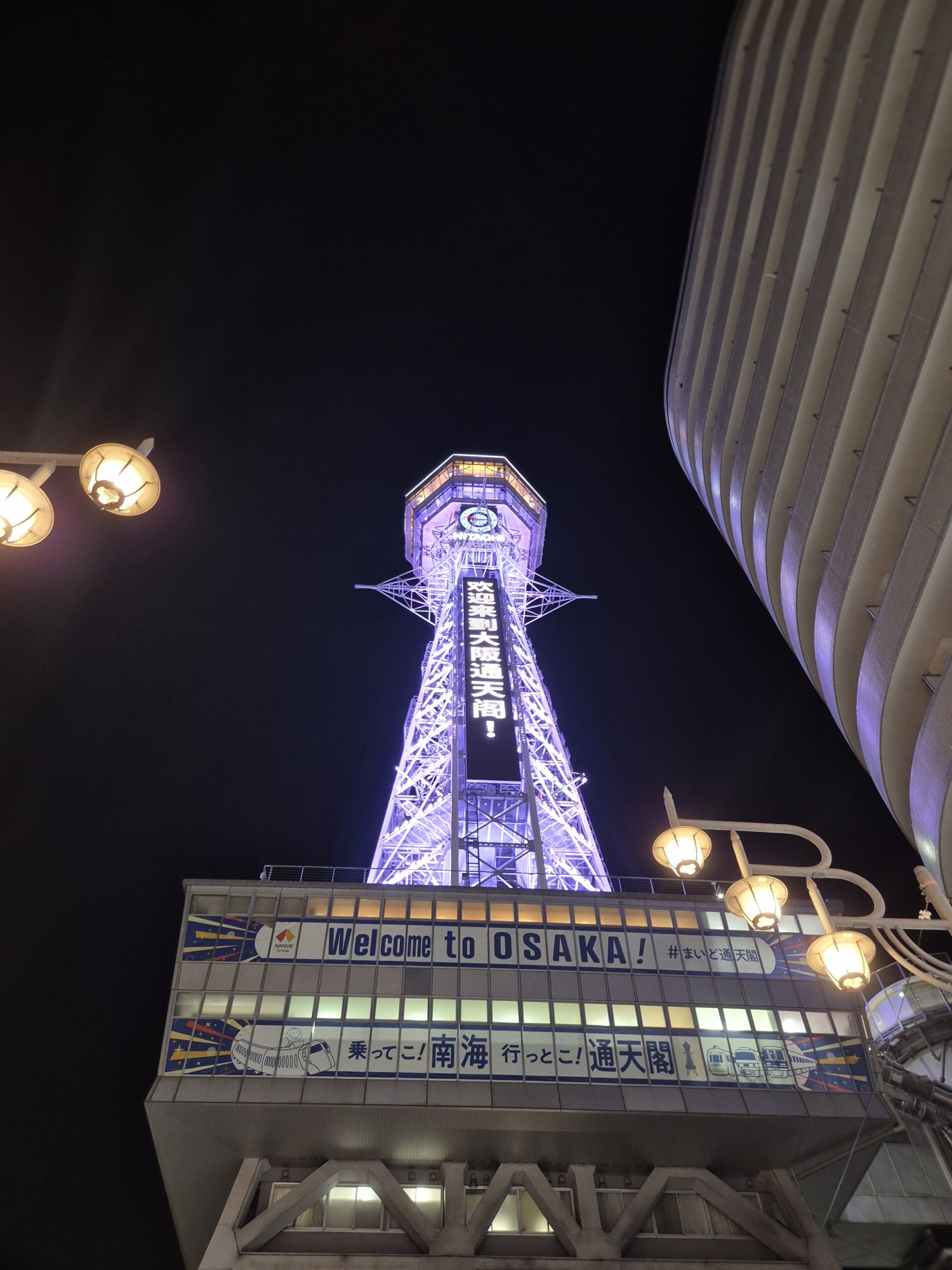
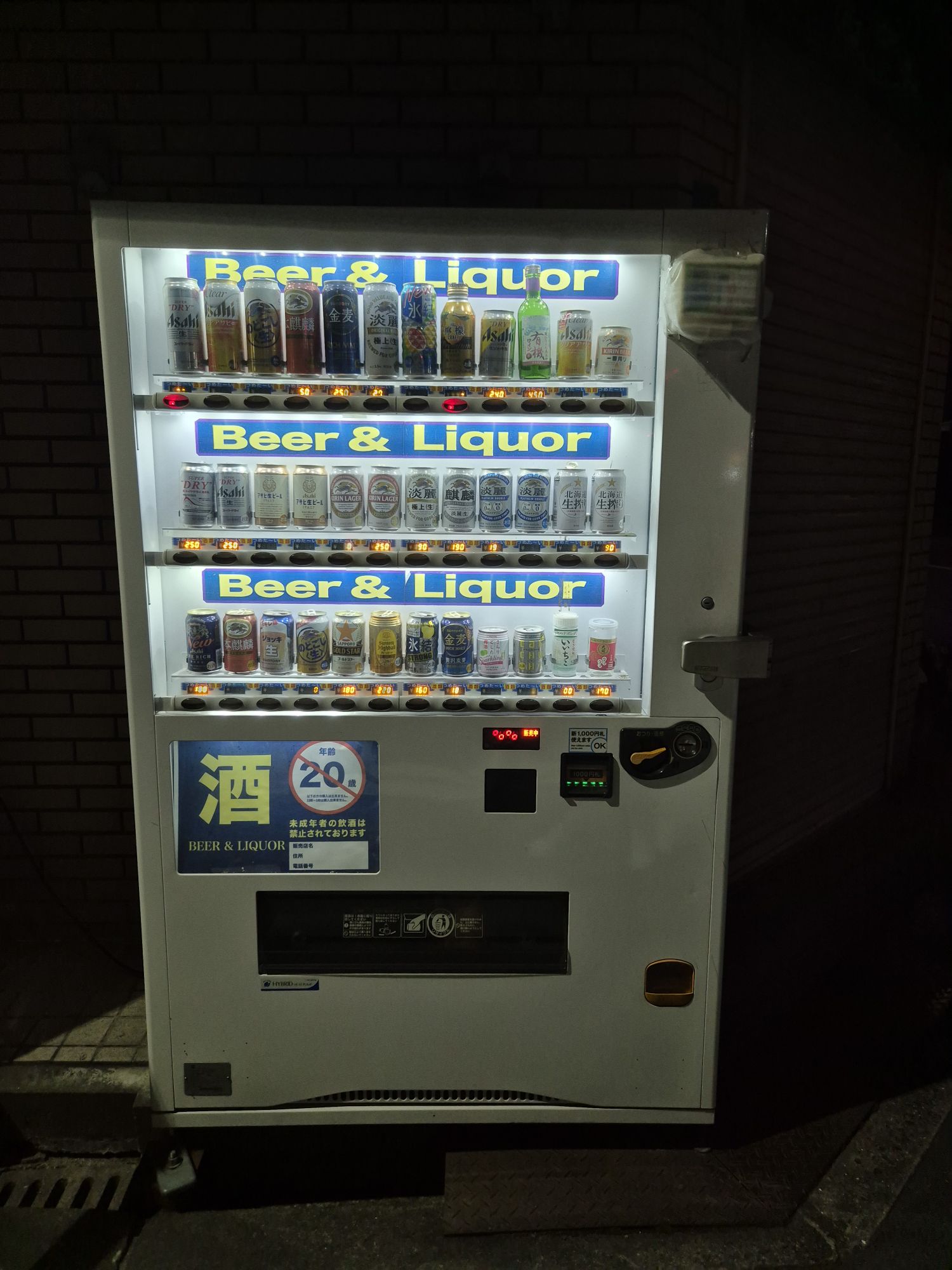
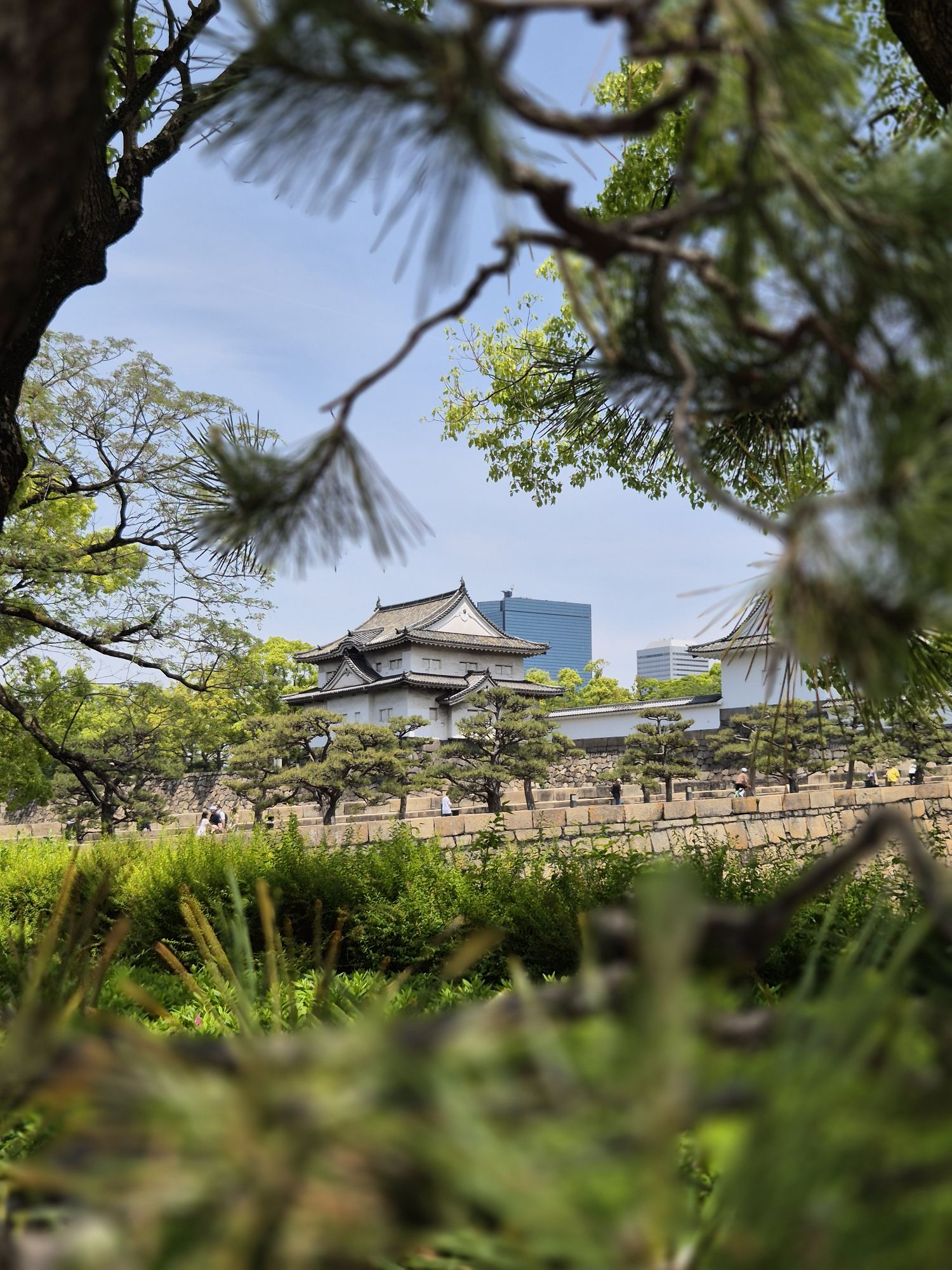
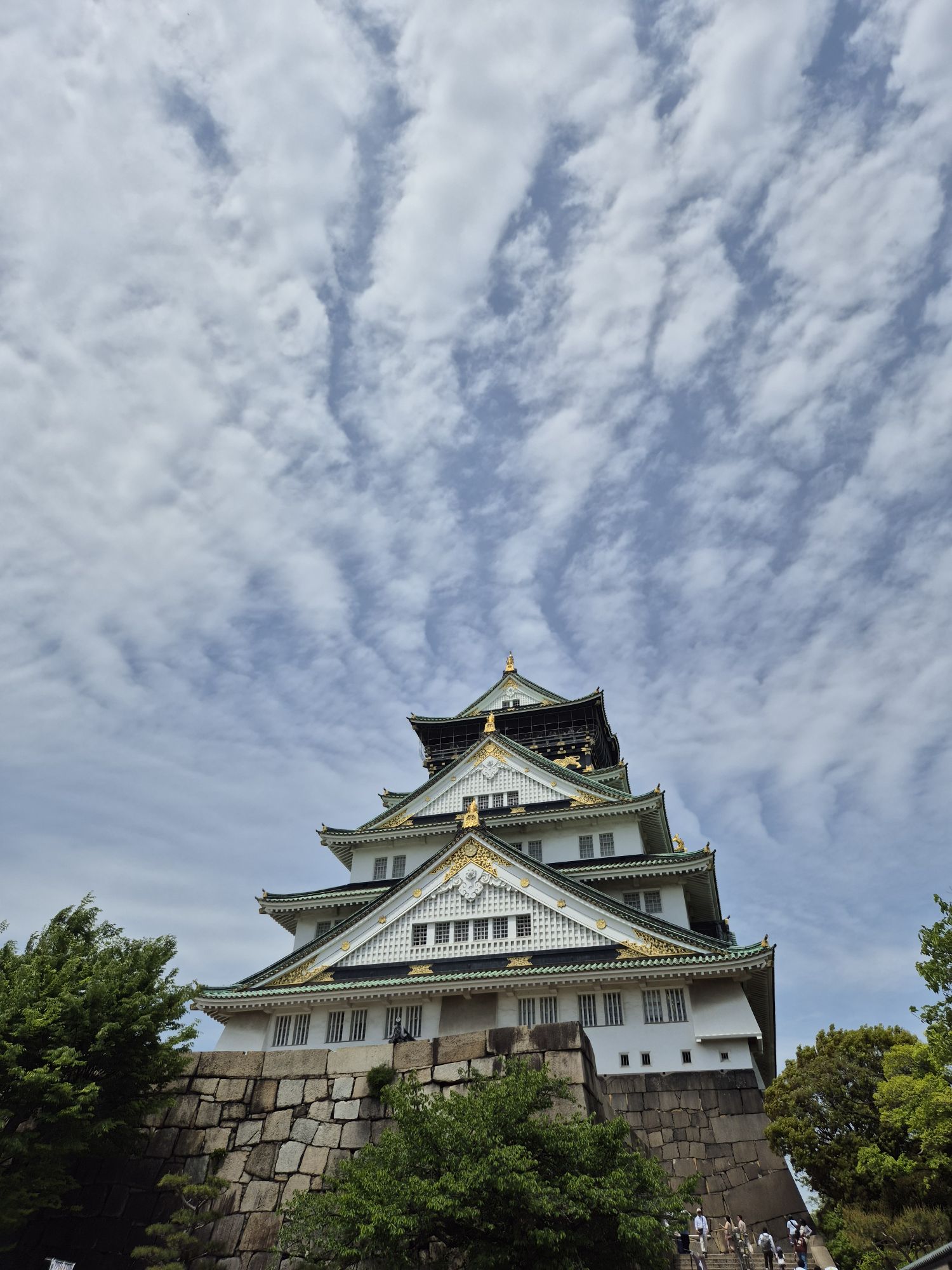
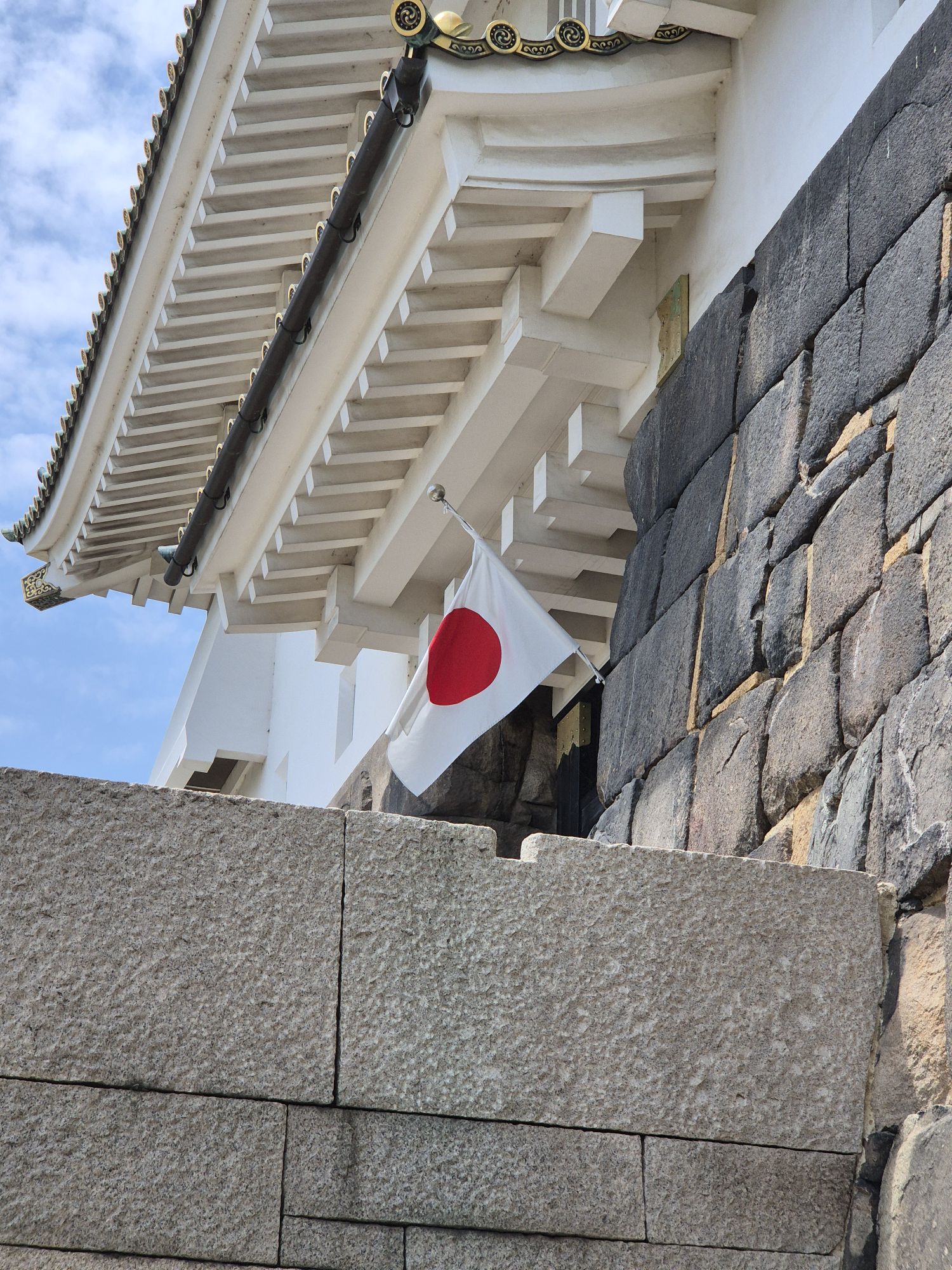
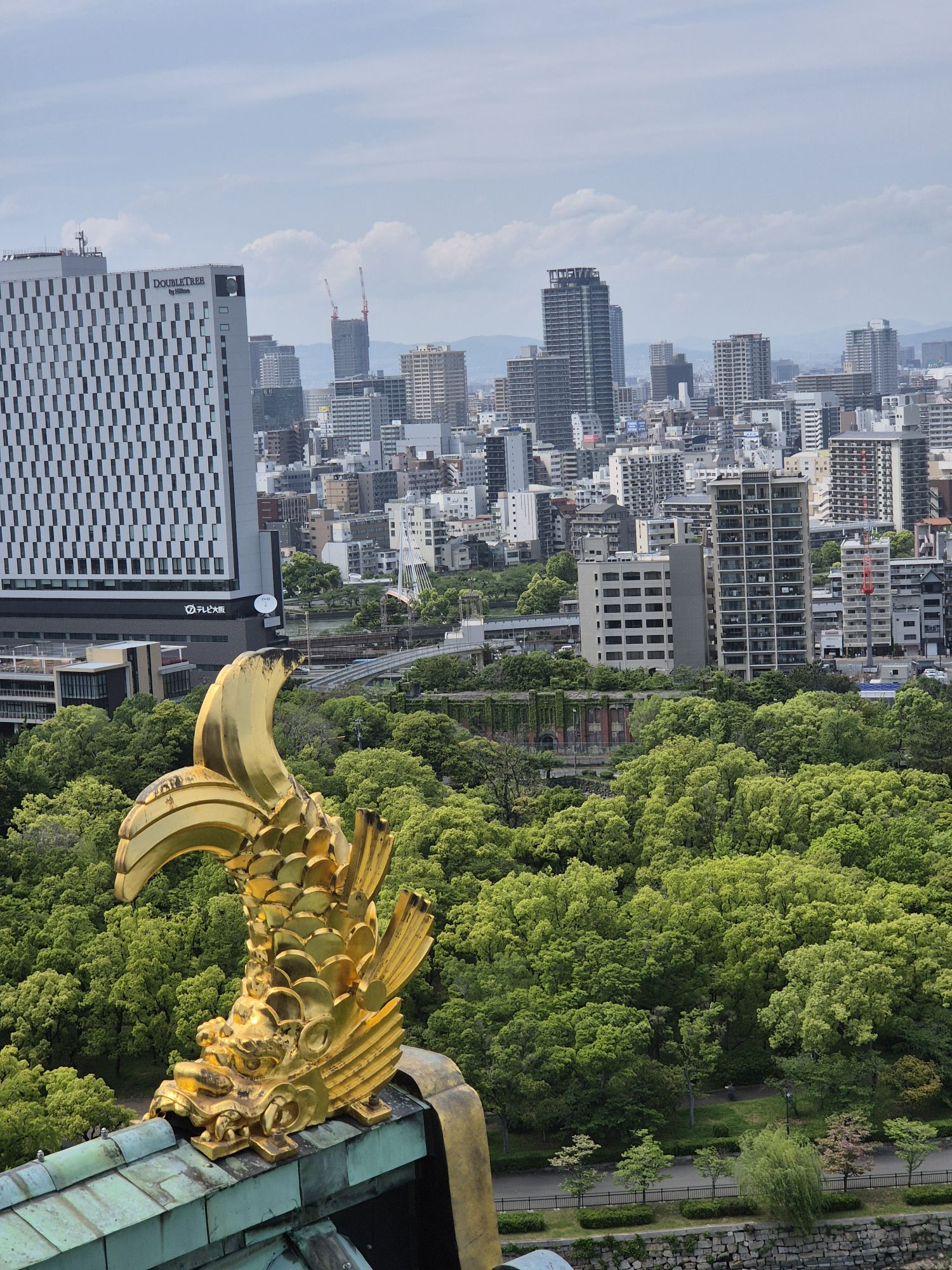
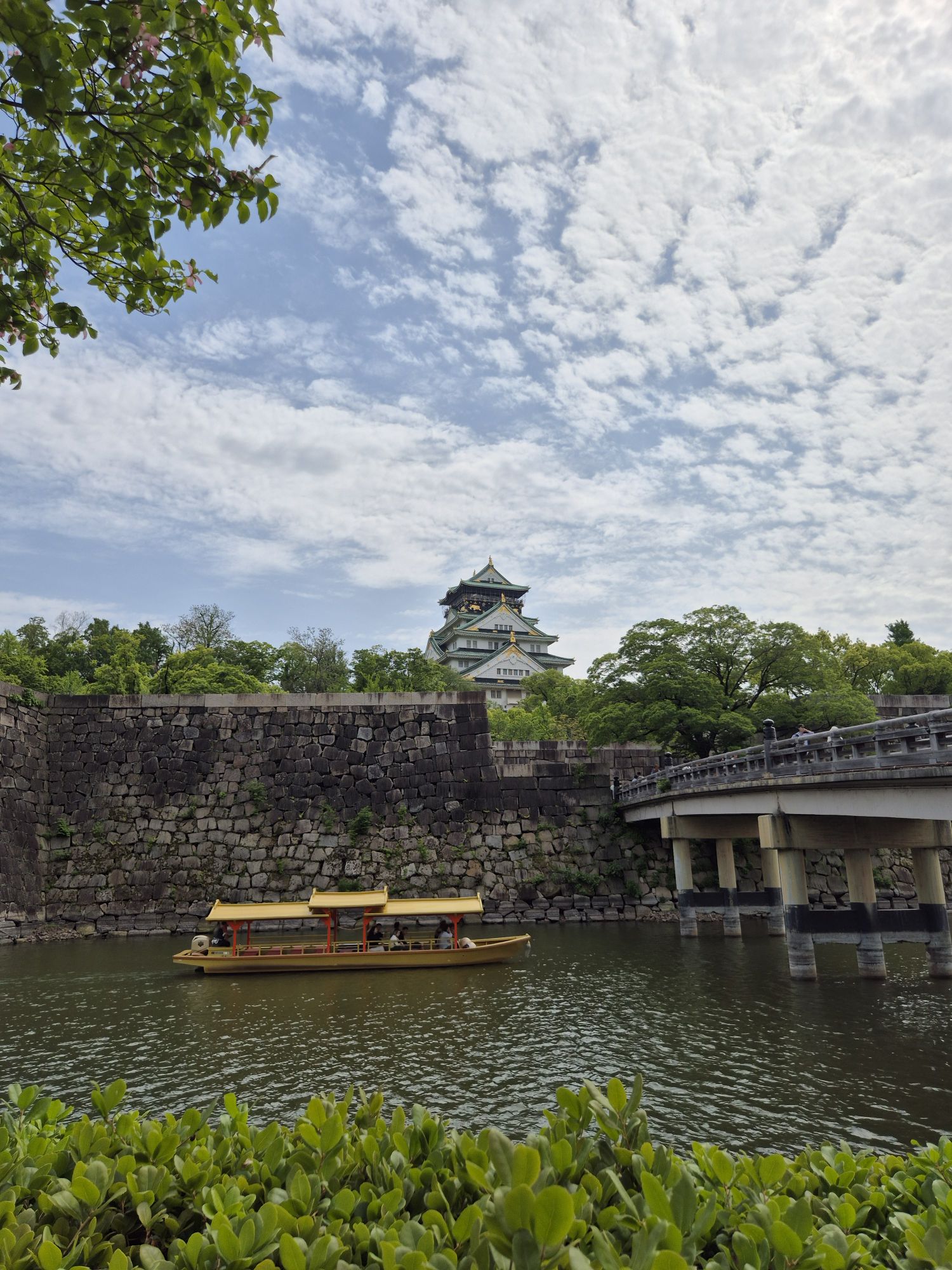
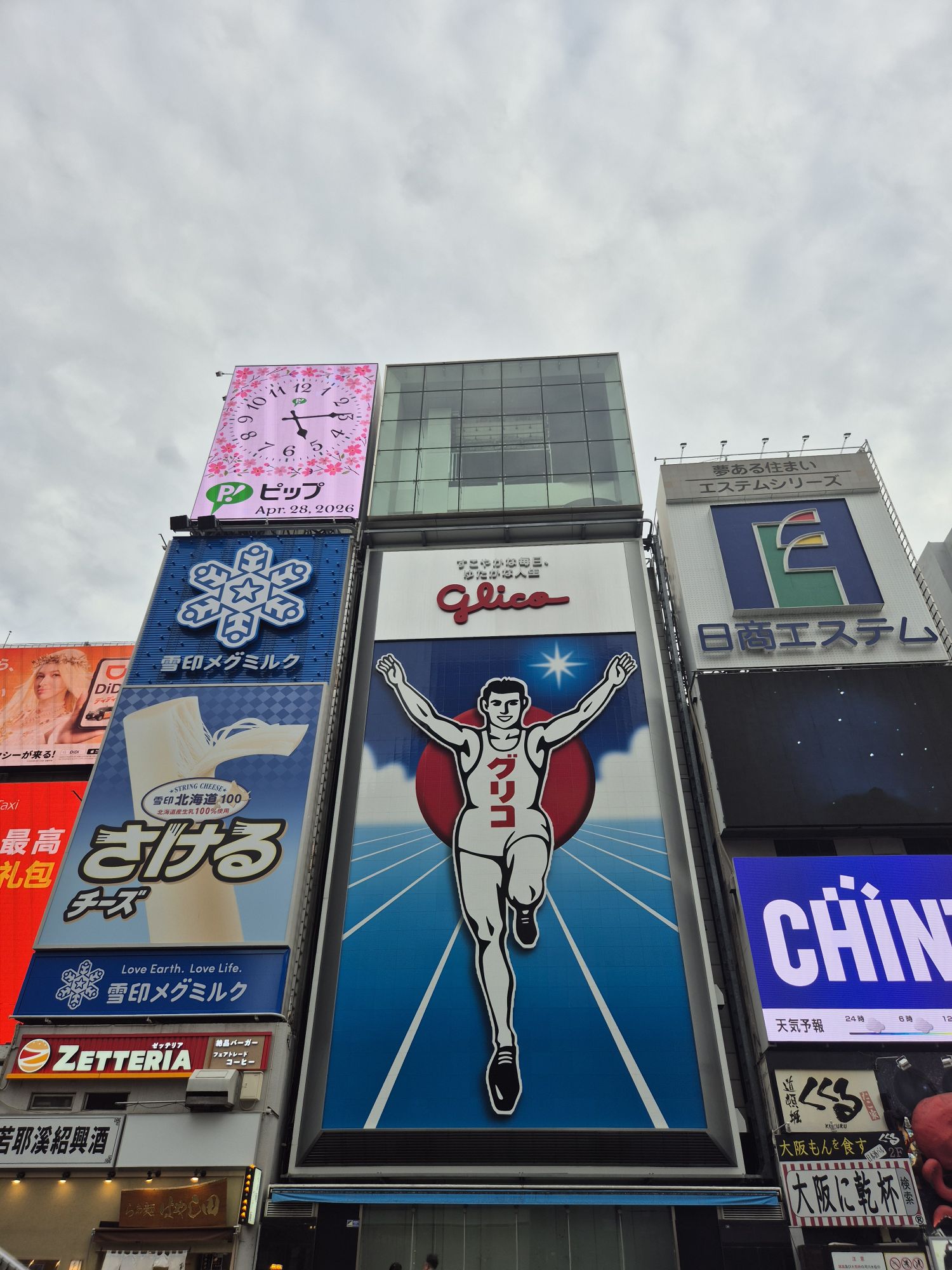
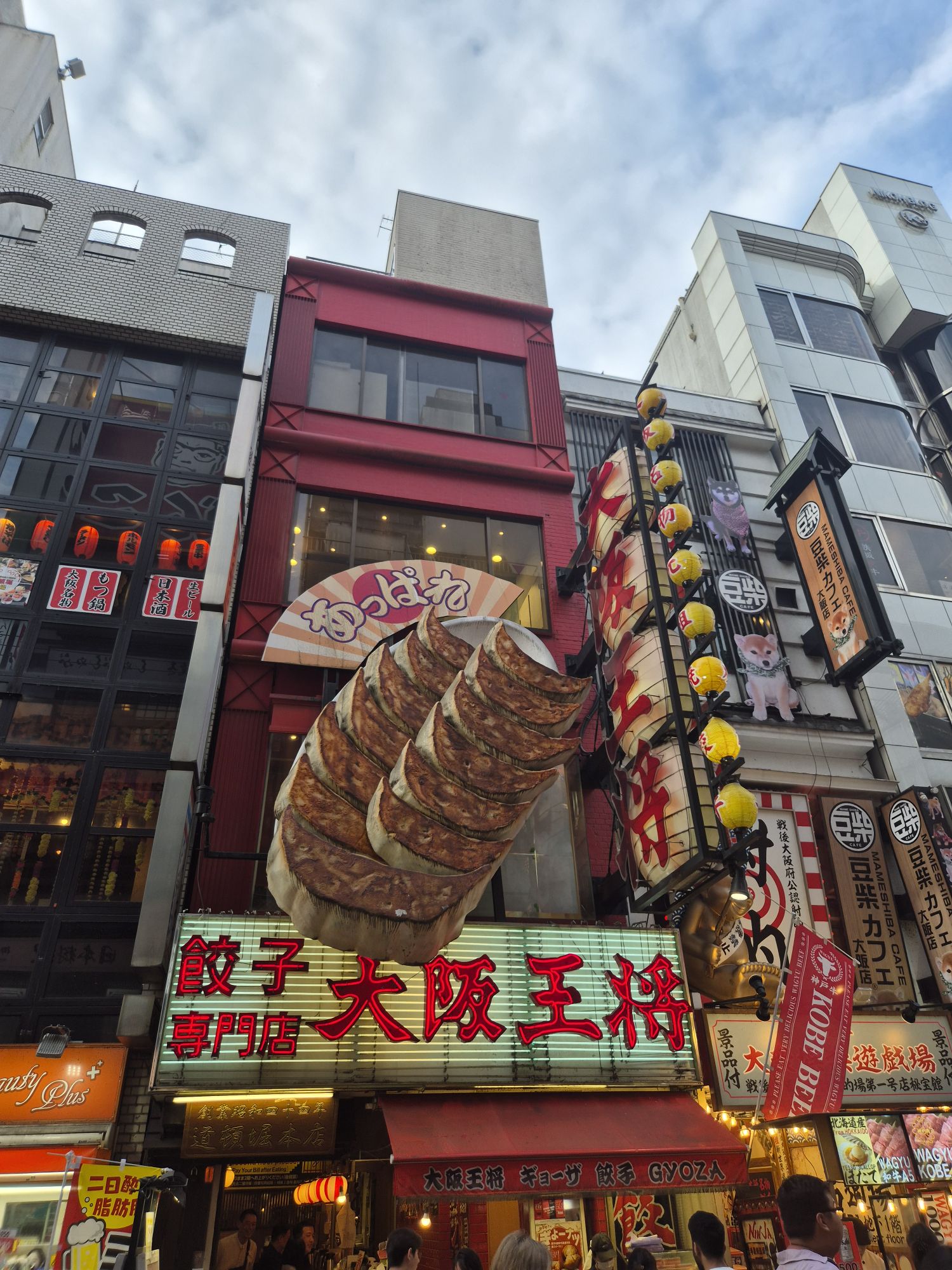
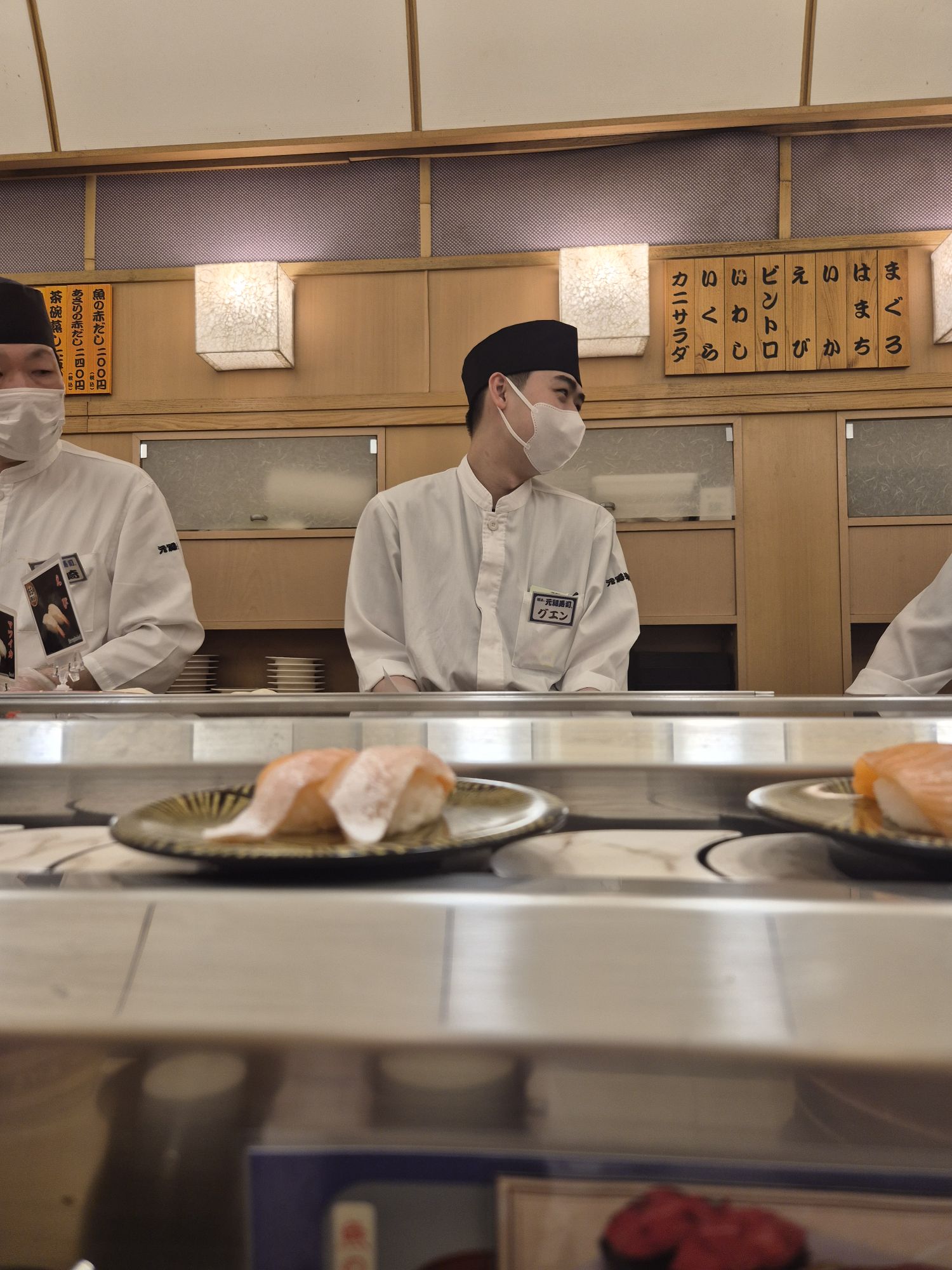
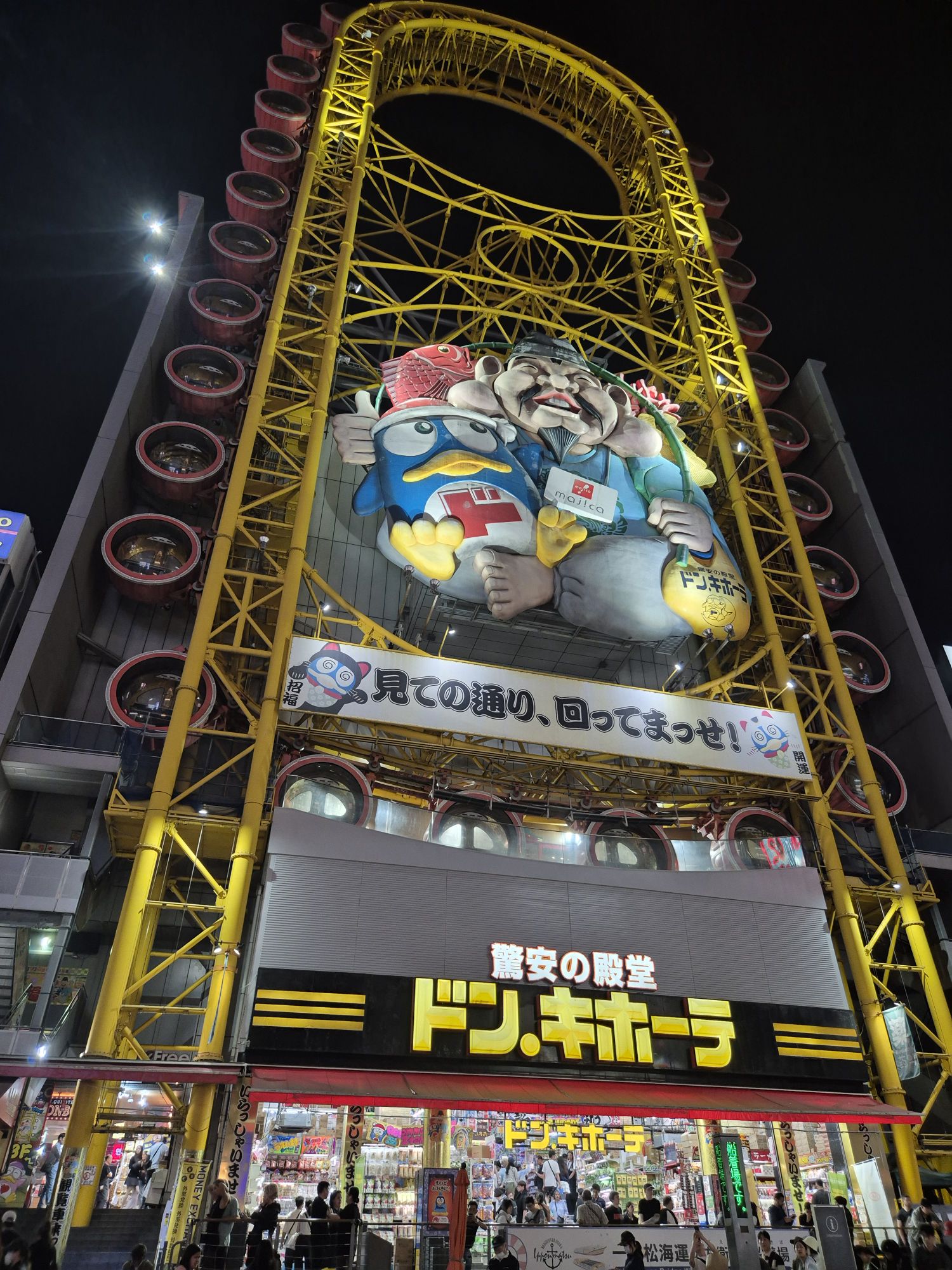
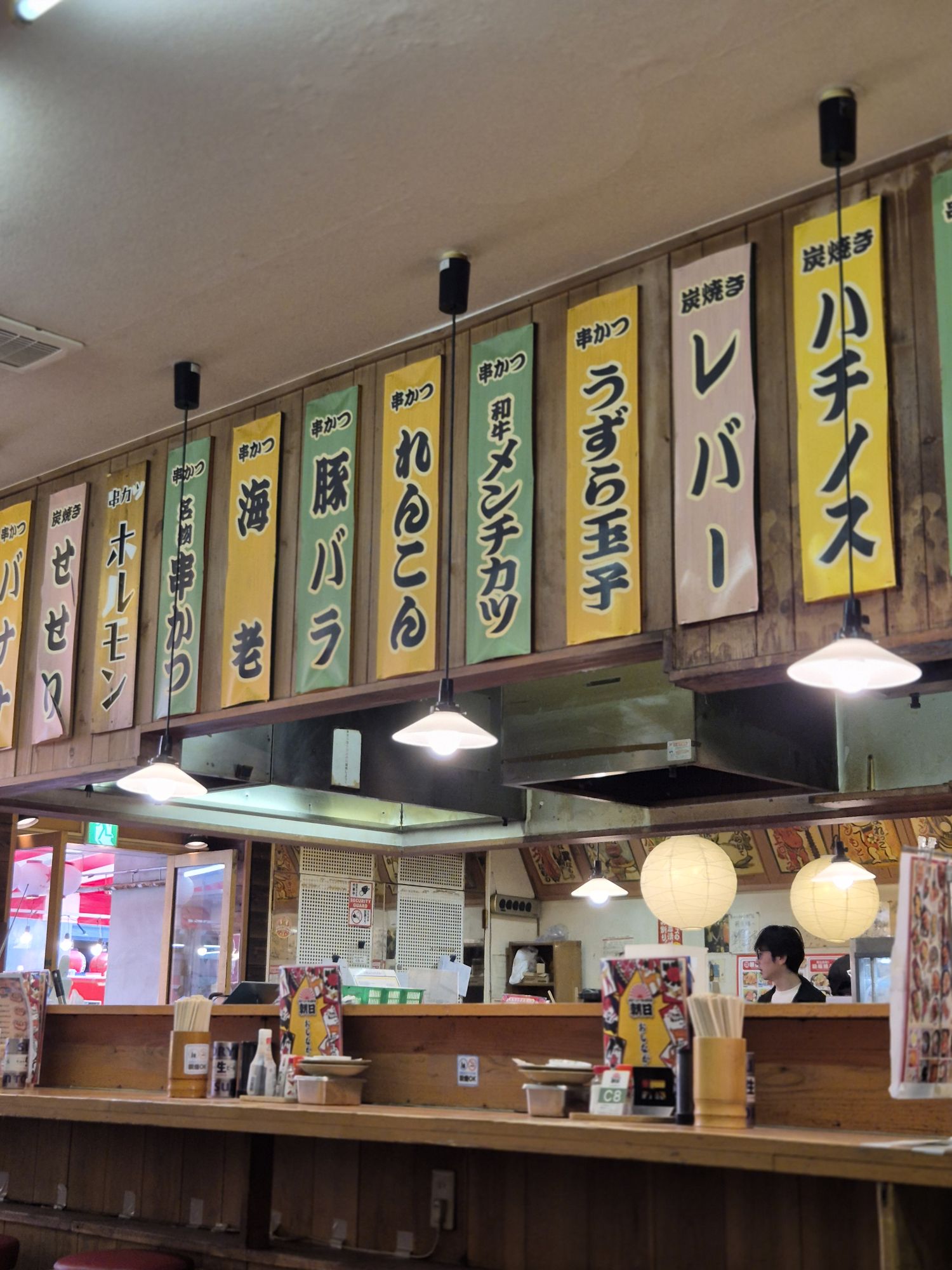
Osaka is the informal sister of Kyoto and Tokyo, less polished but all the more authentic. At night Dotonbori street glows in a sea of neon signs, with the smell of takoyaki and okonomiyaki drifting between them. Here people eat standing up, quickly and with relish.
Copyrighted photographs by GJ Media Production
Practical tips
- Buy your Japan Rail Pass for the Shinkansen bullet train in advance, even before you travel, as it costs more locally and seats fill up quickly.
- The myth that many places don’t accept cards is not true. In most places you can pay by bank card, just as in Slovenia and elsewhere in the world. Still, paying in cash is an experience in itself, if only for the feeling of Japanese yen in your hand.
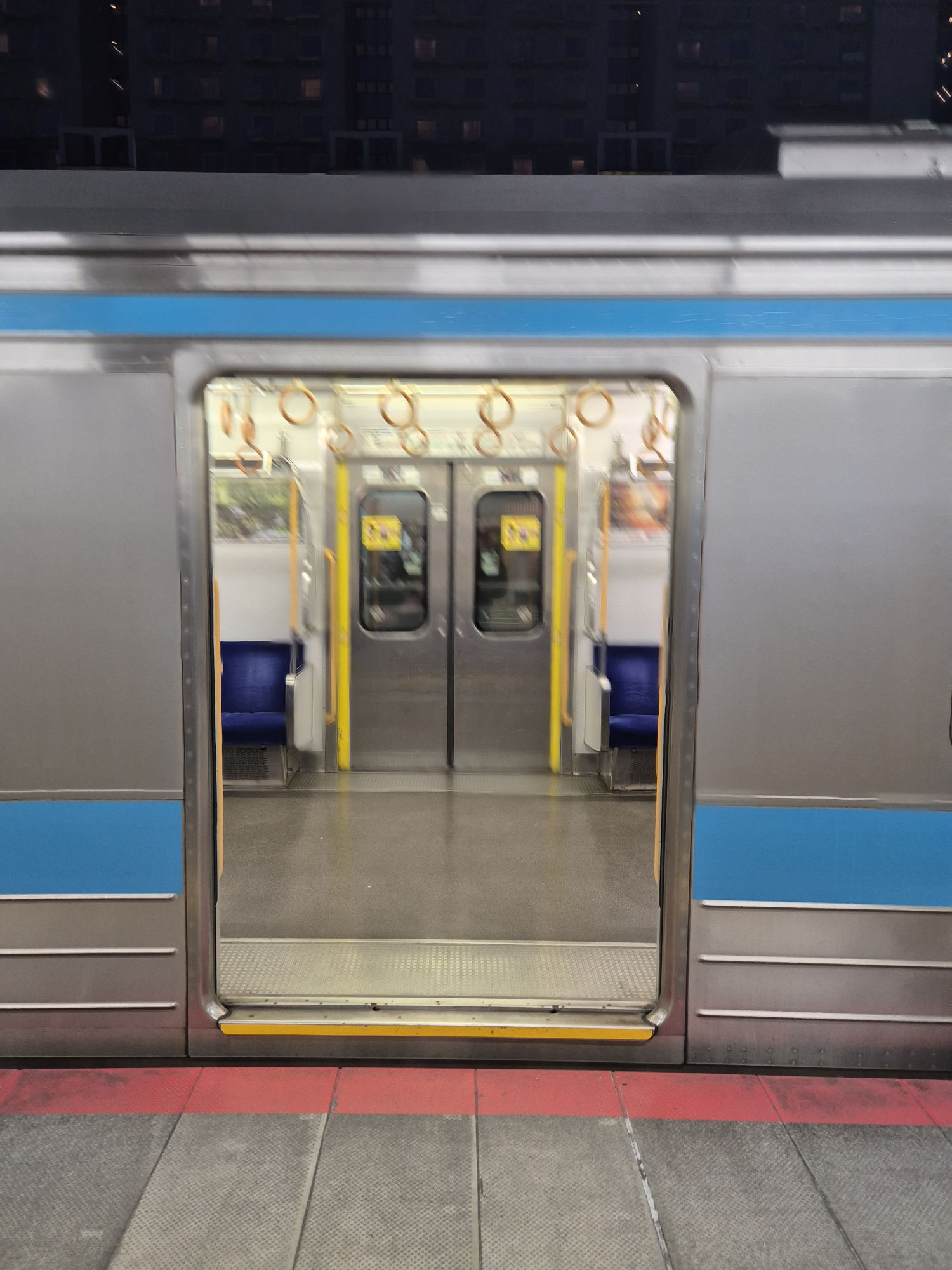
- Order and quiet on trains are not a formality but part of the culture, so adapt to them.
- Japanese people don’t eat while walking. Stop, eat and enjoy the atmosphere and the superb food.

